21 citations
,
September 1968 in “Cancer” Citrulline in certain skin tumors suggests they mimic hair growth, helping distinguish them from other cancer types.
3 citations
,
April 2012 in “Cancer research” Mouse skin cancer progression involves a unique group of cells marked by ABCG2 and MTS24.
January 2008 in “Chinese bulletin of Life sciences” Epidermal stem cells help renew skin and regenerate hair follicles.
10 citations
,
July 1984 in “British Journal of Dermatology” Epidermal cysts come from the skin, while pilar cysts come from hair follicles.
54 citations
,
September 1999 in “PubMed” K15 staining helps distinguish basal cell carcinoma from trichoepithelioma.
1 citations
,
December 2024 in “Tissue Barriers” The epidermis is the stiffest skin layer.
7 citations
,
January 1990 in “Archives of Dermatological Research” Syringomas likely start in the upper dermis and form distinct luminal structures.
January 2016 in “Dermatology online journal” A 15-year-old girl has a benign skin tumor on her neck.
6 citations
,
January 2017 in “JOURNAL OF CLINICAL AND DIAGNOSTIC RESEARCH” A rare hair follicle tumor was found on a woman's vulva.
 September 1961 in “Archives of Dermatology”
 Lichen sclerosus et atrophicus is generally not considered precancerous, but there are exceptions.
18 citations
,
March 2009 in “Experimental Dermatology” Pilomatricoma can develop into various hair-related structures.
 November 2022 in “Journal of Investigative Dermatology”
 Scientists found a new type of skin cell that could help with skin repair and these cells work better with a certain protein.
Epidermal stem cells help renew skin and heal wounds, influenced by specific proteins and markers.
9 citations
,
January 2011 in “American Journal of Dermatopathology” Pilomatrixoma involves abnormal hair keratin production and cell death, causing debris and cysts.
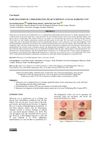 March 2022 in “Folia Medica Indonesiana”
 The lump on a woman's scalp was a rare, potentially cancerous tumor from the hair follicle, not a common cyst.
2 citations
,
January 1989 in “The Nishinihon Journal of Dermatology” Seborrheic keratosis likely originates from the upper regions of hair follicles.
56 citations
,
October 2010 in “Pediatric Clinics of North America” Epidermal nevi are skin cell clusters linked to various syndromes.
 52 citations
,
December 2000 in “Archives of Dermatological Research”
52 citations
,
December 2000 in “Archives of Dermatological Research” Scalp skin barrier affects hair loss; personalized treatments needed.
4 citations
,
December 1985 in “Archives of Dermatological Research” Eye lens capsules are the best for growing human skin cells.
 1 citations
,
July 2009 in “Journal of dermatology”
1 citations
,
July 2009 in “Journal of dermatology” A 29-year-old man had a jaw plaque diagnosed as follicular mucinosis, linked to nestin-positive hair follicle stem cells.
1 citations
,
January 2017 The document outlines criteria to identify and differentiate neoplasms based on follicular characteristics.
2 citations
,
June 2001 in “Medical Electron Microscopy” Trichilemmal cysts may form from hair follicle outer root sheath growth.
2 citations
,
June 2003 in “American Journal of Dermatopathology” A unique case of skin cancer showed unusual calcification, possibly linked to calcium-binding proteins.
 18 citations
,
September 2006 in “Dermatologic Surgery”
18 citations
,
September 2006 in “Dermatologic Surgery” Aggressive scalp squamous cell carcinomas have a high death rate and need early, strong treatment.
33 citations
,
October 2012 in “Journal of Morphology” Reptile skin hardens by layering beta-proteins on keratin.
13 citations
,
November 1985 in “International Journal of Dermatology” The study found clear differences in lesion distribution and microscopic features among trichostasis spinulosa, keratosis pilaris, and eruptive vellus hair cysts.
28 citations
,
March 1993 in “Journal of Cell Science” Keratins K4 and K13 form stable dimers in mature esophageal cells, aiding cell stability.
248 citations
,
April 1988 in “Differentiation” Human and bovine hair follicles have distinct cytokeratins specific to hair-forming cells.
8 citations
,
April 2016 in “Experimental Dermatology” The type of tumor suppressor affects the form of skin cancer from hair follicle stem cells.
27 citations
,
December 2005 in “Journal of Cutaneous Pathology” The malignant pilomatricoma showed strong epithelial keratin expression, suggesting it may not calcify.