 12 citations
,
April 2020 in “British Journal of Dermatology”
12 citations
,
April 2020 in “British Journal of Dermatology” Caffeine may help reduce stress-induced hair loss.
 4 citations
,
September 2021 in “Frontiers in allergy”
4 citations
,
September 2021 in “Frontiers in allergy” The conclusion is that understanding the complex relationship between allergies, autoimmunity, and psychological factors is key to treating skin disorders with itching.
42 citations
,
February 2019 in “Circulation” Targeting ATM could help manage heart cell enlargement due to pressure overload.
 9 citations
,
November 2013 in “Dermatologic Surgery”
9 citations
,
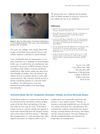
November 2013 in “Dermatologic Surgery” Hair transplant complications were likely due to deep graft placement and rough handling.
 5 citations
,
October 2021 in “Signal Transduction and Targeted Therapy”
5 citations
,
October 2021 in “Signal Transduction and Targeted Therapy” Stress hormone corticosterone suppresses hair growth by affecting stem cell activity and Gas6 protein expression.
1 citations
,
September 2015 in “Pathology - Research and Practice” Stress during pregnancy can thin fetal skin.
High-stress mothers had lower hair cortisol than low-stress mothers, and daughters' cortisol was linked to their stress response.
September 2004 in “Experimental Dermatology” Stress increases nerve growth factor, causing hair loss in mice.
May 2026 in “Science Advances” Caloric stress and differentiation increase IRES translation, affecting stem cell function and potential therapies.

Gender-diverse individuals face more depression and anxiety, possibly due to unique stress profiles.
 August 2019 in “Journal of Invertebrate Pathology”
 Thymosin beta 4 protects cells from damage by blocking a harmful microRNA and boosting a protective gene.
 191 citations
,
May 2018 in “British journal of dermatology/British journal of dermatology, Supplement”
191 citations
,
May 2018 in “British journal of dermatology/British journal of dermatology, Supplement” Alopecia areata is likely an autoimmune disease with unclear triggers, involving various immune cells and molecules, and currently has no cure.
 150 citations
,
October 2010 in “The American Journal of Pathology”
150 citations
,
October 2010 in “The American Journal of Pathology” The document concludes that more research is needed to better understand and treat primary cicatricial alopecias, and suggests a possible reclassification based on molecular pathways.
 97 citations
,
March 2009 in “Dermato-endocrinology”
97 citations
,
March 2009 in “Dermato-endocrinology” Hormones significantly affect hair and oil gland function in the skin, and more research is needed on skin-related hormone disorders.
51 citations
,
December 2017 in “Skin Appendage Disorders” Stress may trigger hair loss by affecting immune protection in hair follicles.
 34 citations
,
October 2011 in “Pathology Research International”
34 citations
,
October 2011 in “Pathology Research International” Behçet's Disease may be caused by genetic and environmental factors leading to abnormal immune responses, and stress management and new treatments could improve patient outcomes.
 6 citations
,
December 2019 in “BMC Complementary and Alternative Medicine”
6 citations
,
December 2019 in “BMC Complementary and Alternative Medicine” Alcohol extract from Vernonia anthelmintica seeds may help treat stress-related hair loss.
3 citations
,
July 2023 in “International journal of molecular sciences” Stress may contribute to hair loss in alopecia areata by affecting immune responses and cell death in hair follicles.
3 citations
,
January 2022 in “Neurotoxicity Research” Botulinum toxin may help reduce stress-related hair loss.
 2 citations
,
October 2009 in “The FASEB Journal”
2 citations
,
October 2009 in “The FASEB Journal” Stress does not greatly speed up aging or hair loss in politicians.
 252 citations
,
January 2008 in “Trends in Endocrinology and Metabolism”
252 citations
,
January 2008 in “Trends in Endocrinology and Metabolism” Melatonin in the skin helps protect against damage from stress and UV rays, and could be used to treat certain skin conditions.
61 citations
,
March 2003 in “American Journal Of Pathology” Stress can cause hair loss and skin issues by affecting hair growth cycles.
27 citations
,
August 2021 in “Journal of Autoimmunity” Human dermal γδT-cells respond to stress in hair follicles, contributing to hair loss.
 19 citations
,
January 2016 in “Dermatology Research and Practice”
19 citations
,
January 2016 in “Dermatology Research and Practice” The study concluded that hair loss in Indian women is not significantly linked to anemia or thyroid problems, but checking thyroid function could help those with ongoing hair loss.
 17 citations
,
November 2013 in “American Journal of Primatology”
17 citations
,
November 2013 in “American Journal of Primatology” Different monkey species in a lab showed varying levels of hair loss due to factors like type, sex, age, season, and living conditions.
 16 citations
,
November 2021 in “Antioxidants”
16 citations
,
November 2021 in “Antioxidants” Managing oxidative stress might help treat low testosterone and related chronic diseases in aging men.
 14 citations
,
May 2019 in “Experimental Dermatology”
14 citations
,
May 2019 in “Experimental Dermatology” Fat tissue extract may help treat vitiligo by reducing cell stress and promoting skin repair.
 6 citations
,
October 2018 in “PLoS ONE”
6 citations
,
October 2018 in “PLoS ONE” Stress can slow hair growth and affect skin color by impacting the body's stress response system.
4 citations
,
June 2025 in “JMIR Formative Research” Hair cortisol concentration may reflect some physiological stress but doesn't strongly correlate with perceived stress.

research Acne
4 citations
,
January 2019 Acne is a common skin condition that can be influenced by diet, lifestyle, and hormones, and requires a treatment approach that includes psychological considerations.