Linear-strip excision is a traditional hair restoration method with specific pros and cons compared to newer techniques.
 October 2023 in “Facial Plastic Surgery”
 The FUE-LE technique combines two hair transplant methods to improve graft yield without needing a large team or extra costs.
 December 2023 in “Facial Plastic Surgery”
 Follicular unit excision (FUE) is a popular hair transplant method that avoids a linear scar but has potential challenges and side effects if not done properly.
 December 2023 in “Facial Plastic Surgery”
 Surgeons should be careful with FUE hair transplants to avoid negative effects on the donor area's appearance and ensure good cosmetic results.
 November 2023 in “Facial Plastic Surgery”
 Choosing between follicular unit extraction and strip harvesting for hair restoration depends on the patient's individual goals and the pros and cons of each method.
 9 citations
,
March 2020 in “Dermatologic Surgery”
9 citations
,
March 2020 in “Dermatologic Surgery” Both Follicular Unit Transplantation (FUT) and Follicular Unit Excision (FUE) are effective hair transplant methods; the best choice depends on the patient's needs and the surgeon's preference.
 6 citations
,
March 2018 in “Hair transplant forum international”
6 citations
,
March 2018 in “Hair transplant forum international” The Graft Quality Index grades hair transplant grafts to predict placement difficulty and surgery results.
October 2022 in “Hair Transplantation” FUE is popular due to no linear scar, but choice depends on personal preference and specific factors.
September 2023 in “Facial Plastic Surgery” FUE is a safe, popular hair transplant method focusing on careful planning and technique.
 1 citations
,
July 2021 in “Aesthetic Plastic Surgery”
1 citations
,
July 2021 in “Aesthetic Plastic Surgery” The new triangular flag-shaped design for incisions in hair transplant surgery provides better hair alignment and cosmetic appearance without extra scarring, especially for patients with specific hair directions.
 November 2023 in “Facial Plastic Surgery”
 Follicular Unit Excision (FUE) is a popular, less invasive hair restoration method with high patient satisfaction when done correctly, despite some complications from untrained practitioners.
 8 citations
,
January 2015 in “Journal of Cutaneous Medicine and Surgery”
8 citations
,
January 2015 in “Journal of Cutaneous Medicine and Surgery” Hair restoration techniques have improved but still rely on limited donor hair, with new methods like cloning and gene therapy being explored.
 4 citations
,
January 2009 in “Indian Journal of Plastic Surgery”
4 citations
,
January 2009 in “Indian Journal of Plastic Surgery” Surgery for scar-related hair loss on the scalp and eyebrow was successful in 75% of patients.
 31 citations
,
November 2013 in “Dermatologic Clinics”
31 citations
,
November 2013 in “Dermatologic Clinics” The ARTAS robotic system for hair restoration is efficient with fewer cuts than manual methods, but it's limited to certain hair types and can still leave scars.
 27 citations
,
January 2006 in “Dermatologic Surgery”
27 citations
,
January 2006 in “Dermatologic Surgery” The SAFE System for hair transplants results in low damage to follicles and could make the procedure suitable for more patients.
 11 citations
,
October 2015 in “Journal of Cosmetic Dermatology”
11 citations
,
October 2015 in “Journal of Cosmetic Dermatology” Half of hair restoration surgeons experience body discomfort, especially after follicular unit extraction procedures, and using ergonomic equipment or robotic devices could reduce this discomfort.
3 citations
,
January 2010 Refined open donor harvesting techniques can reduce hair follicle damage in hair restoration surgery.
 July 2013 in “Hair transplant forum international”
 Dr. James Harris successfully incorporated Follicular Unit Extraction into his hair restoration practice, offering more surgical options and achieving natural results with the help of a team approach.
Hair transplantation can effectively restore hair in stabilized hair loss cases.
 November 2024 in “International Society of Hair Restoration Surgery”
 FUT is a hair restoration method that should be chosen based on individual patient needs and preferences.
October 2022 in “Hair Transplantation” Improving donor scar appearance in hair transplants involves careful technique and addressing factors like tension, scalp elasticity, and patient habits.
 May 2025 in “Dermatologic Surgery”
 Hair transplants now offer natural, lasting results with high satisfaction due to advanced techniques and therapies.
 November 2023 in “Facial Plastic Surgery”
 The document concludes that FUE hair restoration is often misleadingly advertised and raises ethical concerns regarding patient evaluation and business practices.
 October 2023 in “Facial Plastic Surgery”
 FUE hair restoration is generally safe but can have complications, especially if done by untrained individuals.
 January 2020 in “Hair transplant forum international”
 The type of previous hair restoration surgery might affect the success of a later one, with strip harvesting possibly leading to fewer damaged hair follicles.
 8 citations
,
March 1994 in “The American Journal of Cosmetic Surgery”
8 citations
,
March 1994 in “The American Journal of Cosmetic Surgery” The Total Excision Techniques improve hair transplant results by increasing grafts by at least 50% and reducing scarring.
 7 citations
,
August 2015 in “Dermatologic Surgery”
7 citations
,
August 2015 in “Dermatologic Surgery” The cross beam laser is a useful tool for safely measuring scalp stretchiness to improve hair transplant results.
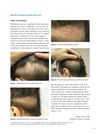 11 citations
,
June 2008 in “Dermatologic Surgery”
11 citations
,
June 2008 in “Dermatologic Surgery” Transplanting chest hair into scalp scars may effectively treat wide donor scars in hair restoration.
 24 citations
,
October 2007 in “Clinical and experimental dermatology”
24 citations
,
October 2007 in “Clinical and experimental dermatology” Surgical excision with natural healing effectively treats acne keloidalis nuchae without recurrence.
 6 citations
,
July 2019 in “Journal of Cosmetic Dermatology”
6 citations
,
July 2019 in “Journal of Cosmetic Dermatology” Surgeons make more mistakes in hair transplant procedures as they get tired or do more work.