 5 citations
,
September 2012 in “Dermatology Online Journal”
5 citations
,
September 2012 in “Dermatology Online Journal” Follicular Unit Extraction (FUE) hair transplant is less invasive, leaves no scars, and has quicker recovery times, but it's more time-consuming and challenging. Automation helps speed up the process and improve graft survival, reducing the need for traditional strip surgery.
 5 citations
,
September 1997 in “Dermatologic Surgery”
5 citations
,
September 1997 in “Dermatologic Surgery” Dr. Russell Knudsen's system classifies hair grafts by class, shape, and size for clearer communication in hair restoration surgery.
 4 citations
,
January 2020 in “Journal of Cutaneous and Aesthetic Surgery”
4 citations
,
January 2020 in “Journal of Cutaneous and Aesthetic Surgery” Keloid scars can form after hair transplant surgery and should be prevented and treated early.
 4 citations
,
November 2017 in “Hair transplant forum international”
4 citations
,
November 2017 in “Hair transplant forum international” Hair transplants are effective for some women and many male-to-female transgender patients if done carefully by an experienced team.
 4 citations
,
January 2009 in “Indian Journal of Plastic Surgery”
4 citations
,
January 2009 in “Indian Journal of Plastic Surgery” Surgery for scar-related hair loss on the scalp and eyebrow was successful in 75% of patients.
 3 citations
,
March 2019 in “Archives of Plastic Surgery”
3 citations
,
March 2019 in “Archives of Plastic Surgery” Hair transplantation effectively corrects hairline issues after midface-lifting surgery with high patient and physician satisfaction.
 3 citations
,
November 2017 in “The American Journal of Cosmetic Surgery”
3 citations
,
November 2017 in “The American Journal of Cosmetic Surgery” The new Cosmetic Surgery Scar Assessment Scale (CSSAS) was found to be simple and effective in evaluating scars from hair restoration surgeries.
3 citations
,
January 2010 Refined open donor harvesting techniques can reduce hair follicle damage in hair restoration surgery.
 3 citations
,
December 2008 in “The American Journal of Cosmetic Surgery”
3 citations
,
December 2008 in “The American Journal of Cosmetic Surgery” Hair transplantation has evolved to refined techniques like FUE and FUT, with Finasteride and Minoxidil as the only other proven treatments for hair loss.
 2 citations
,
April 2018 in “Journal of Cosmetic Dermatology”
2 citations
,
April 2018 in “Journal of Cosmetic Dermatology” Tumescent fluid increases scalp hair angles, which may improve hair transplant results and reduce surgeon fatigue.
 2 citations
,
November 2012 in “European Journal of Dermatology”
2 citations
,
November 2012 in “European Journal of Dermatology” Hair transplant surgery may cause alopecia areata, a new possible complication.
 2 citations
,
October 1997 in “Dermatologic Clinics”
2 citations
,
October 1997 in “Dermatologic Clinics” The document concludes that advancements in hair restoration surgery have led to more natural results and patient satisfaction, with hope for future improvements in treatment.
 1 citations
,
October 2021 in “Indian Journal of Plastic Surgery”
1 citations
,
October 2021 in “Indian Journal of Plastic Surgery” Hair transplant surgery in India has progressed from plugs and flaps to advanced techniques using micrografts and follicular unit extraction.
Hair transplants are effective for male and female pattern baldness, have evolved in technique, and require careful planning for natural results and managing complications.
 1 citations
,
November 2009 in “Cambridge University Press eBooks”
1 citations
,
November 2009 in “Cambridge University Press eBooks” FUE is a less invasive hair restoration method with potential to become standard, offering benefits like reduced scarring and pain, but requires experience to minimize risks.
 1 citations
,
January 2006 in “Dermatologic Surgery”
1 citations
,
January 2006 in “Dermatologic Surgery” The SAFE System may reduce hair transplant transection rates but has been critiqued for not being as minimally invasive as claimed.
1 citations
,
January 2001 in “Acta Archaeologica Academiae Scientiarum Hungaricae” FUE is a less invasive hair restoration method that avoids visible scars and reduces recovery time.
 November 2024 in “International Society of Hair Restoration Surgery”
 FUT is a hair restoration method that should be chosen based on individual patient needs and preferences.
 December 2023 in “Facial Plastic Surgery”
 Surgeons should be careful with FUE hair transplants to avoid negative effects on the donor area's appearance and ensure good cosmetic results.
 June 2023 in “Facial Plastic Surgery Clinics of North America”
 Hair transplantation is important for transgender patients to enhance their masculine or feminine appearance.
October 2022 in “Hair Transplantation” FUE is popular due to no linear scar, but choice depends on personal preference and specific factors.
October 2022 in “Hair Transplantation” Improving donor scar appearance in hair transplants involves careful technique and addressing factors like tension, scalp elasticity, and patient habits.
 September 2021 in “Hair transplant forum international”
 The P&P Hairline Laser is a new, hands-free device that improves hairline symmetry in hair restoration surgery and can create a symmetrical hairline in less than a minute.
 June 2020 in “Journal of cosmetic medicine”
 Eyebrow transplants use hair from the scalp or pubic area, with blonde hair looking more natural, and can leave scars depending on the method used.
 January 2020 in “Hair transplant forum international”
 The type of previous hair restoration surgery might affect the success of a later one, with strip harvesting possibly leading to fewer damaged hair follicles.
 November 2018 in “Springer eBooks”
 The document concludes that hair transplant methods are often selected for provider convenience over patient benefit, highlighting the need for less invasive techniques and careful physician involvement for better results.
 April 2018 in “Deleted Journal”
 Skin grafts are a common, minimally invasive way to close wounds in dogs, but better methods are still being sought.

The document provides a step-by-step training guide for beginner surgeons and assistants to learn hair restoration surgery, emphasizing careful practice to avoid irreversible loss of hair follicles.
 January 2016 in “Georg Thieme Verlag eBooks”
 Hair transplantation in East Asians needs special techniques to ensure natural results and prevent complications due to their unique hair and scalp characteristics.
 January 2015 in “Plastic and Reconstructive Surgery”
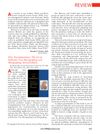
 The book is a valuable guide for hair restoration surgeons.