17 citations
,
July 1977 in “International Journal of Dermatology” Proper shaving techniques and specific topical treatments can help manage pseudofolliculitis barbae.
 21 citations
,
April 2019 in “Clinical, cosmetic and investigational dermatology”
21 citations
,
April 2019 in “Clinical, cosmetic and investigational dermatology” The document concludes that stopping shaving or removing affected hair can alleviate Pseudofolliculitis barbae (PFB).
5 citations
,
April 2019 in “DOAJ (DOAJ: Directory of Open Access Journals)” Stopping shaving or removing hair follicles usually resolves Pseudofolliculitis barbae.
2 citations
,
January 1990 January 2023 in “SKIN The Journal of Cutaneous Medicine” 2 citations
,
May 2004 in “SKINmed/Skinmed” Proper shaving techniques and treatments can help prevent and manage ingrown hairs and inflammation in people with curly hair.
9 citations
,
September 2014 in “British journal of dermatology/British journal of dermatology, Supplement” Pseudofolliculitis cutis causes painful skin bumps and needs proper shaving and treatments to manage.
48 citations
,
July 1993 in “Archives of Dermatological Research” Merkel cells are abundant in facial vellus hair follicles, especially during the anagen phase.
96 citations
,
February 2002 in “Journal of the American Academy of Dermatology” Pseudofolliculitis barbae is a chronic skin condition affecting mainly African American and Hispanic individuals, caused by shaving tightly curled hair, and managed by prevention and treatment but not curable.
Pseudofolliculitis causes painful bumps and dark spots from shaving, especially in people with curly hair, and can be treated by changing shaving habits and using specific topical treatments.
January 2012 in “Open MIND” Oral minoxidil can cause painful skin bumps and scarring in some people.
 6 citations
,
June 1981 in “PubMed”
6 citations
,
June 1981 in “PubMed” Whisker hair in young people might predict severe future hair loss.
 1 citations
,
January 2009 in “Elsevier eBooks”
1 citations
,
January 2009 in “Elsevier eBooks” Combining proper shaving, topical treatments, and laser therapy effectively reduces Pseudofolliculitis Barbae.
 19 citations
,
July 2011 in “Microscopy and Microanalysis”
19 citations
,
July 2011 in “Microscopy and Microanalysis” The hair follicle bulge is an important area for adult stem cells involved in hair growth and repair, with potential for medical use needing more research.
2 citations
,
December 2024 in “JAAD reviews.” Modifying grooming techniques and using treatments like chemical depilatories or laser hair removal can help manage Pseudofolliculitis barbae.
66 citations
,
October 2003 in “Dermatologic clinics” Excision and laser techniques can effectively treat acne keloidalis nuchae.
2 citations
,
January 2019 in “Research journal of pharmacy and technology” Sterculia urceolata ethanol extract promotes hair growth in male rabbits.
January 2017 in “Revista Brasileira de Cirurgia Plástica” Beard transplantation boosts self-esteem by improving beard appearance.
2 citations
,
June 1989 in “Archives of Dermatology” A black pore on a man's cheek was a hair follicle tumor and was removed.
4 citations
,
June 1989 in “Archives of Dermatology” A man had a black pore on his cheek, which was removed and found to be a hair follicle tumor.
April 2024 in “American Journal of Case Reports” Quitting smoking stopped unusual hair growth in the airway.
9 citations
,
January 2009 in “Journal of the European Academy of Dermatology and Venereology” The cream effectively reduces excessive hair growth and related skin issues without side effects.
12 citations
,
March 2004 in “Journal of Investigative Dermatology” December 1978 in “Indian Journal of Otolaryngology and Head & Neck Surgery” 89 citations
,
March 1990 in “PubMed” Shaving is the most effective temporary hair removal method for facial hirsutism.
 4 citations
,
October 2021 in “Indian Journal of Plastic Surgery”
4 citations
,
October 2021 in “Indian Journal of Plastic Surgery” Beard and moustache reconstruction can improve facial hair appearance with few side effects.

Facial hair is crucial for gender affirmation, but many face financial barriers to achieving desired results.
 January 2020 in “Journal of oral medicine and oral surgery”
 Hair grew in a man's mouth due to a rare condition called heterotopia.
 1 citations
,
July 2023 in “Journal of Clinical Medicine”
1 citations
,
July 2023 in “Journal of Clinical Medicine” Different causes of beard hair loss have various treatments, including medications, lifestyle changes, and procedures to stimulate hair growth.
 6 citations
,
May 2012 in “Clinical and experimental dermatology”
6 citations
,
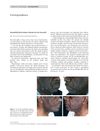
May 2012 in “Clinical and experimental dermatology” Oral minoxidil can cause inflamed, ingrown hairs in the beard area.