Search
for
Sort by
Research
540-570 / 1000+ resultsresearch Is sulfonamide group of tamsulosin main factor in the pathophysiology of floppy iris syndrome?
Tamsulosin's sulfonamide group may contribute to floppy iris syndrome.
research Tinea Incognito
The man's skin condition was finally identified as tinea incognito, a fungal infection.
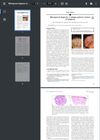
research Bitemporal alopecia: A unique pattern variant of alopecia
The document concludes that "hot comb alopecia" is now called "central cicatricial centrifugal alopecia" and its causes are complex.

research Telogen effluvium: hair loss after spinal cord injury.
A man had temporary hair loss after a spinal cord injury, with some permanent thinning remaining.

research Perifollicular Inflammation and Fibrosis in Androgenetic Alopecia: Implications for Diagnosis and Treatment - A Comparative Histopathologic and Clinical Study with Normal-Appearing Scalp
Early biopsy and targeting inflammation can improve treatment for hair loss in androgenetic alopecia.
research In adults with alopecia areata, are topical corticosteroids as effective as intralesional injections in promoting hair regrowth?
Intralesional injections work better than topical treatments for hair regrowth in alopecia areata.
research Balint’s syndrome—missed or mistaken?
The document concludes that early diagnosis of Balint's syndrome is crucial for effective treatment and that understanding drug interactions, like between ritonavir and statins, is important for patient care.
research Advances in antioxidative nanozymes for treating ischemic stroke
Antioxidative nanozymes could effectively treat ischemic stroke by reducing harmful molecules in the brain.
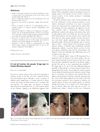
research It's not all traction: the pseudo ‘fringe sign’ in frontal fibrosing alopecia
The pseudo 'fringe sign' can also appear in frontal fibrosing alopecia, not just in traction alopecia, showing that this condition may be more common than thought.
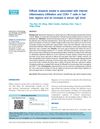
research Diffuse alopecia areata is associated with intense inflammatory infiltration and CD8+ T cells in hair loss regions and an increase in serum IgE level
Diffuse alopecia areata involves more inflammation and higher allergy-related antibodies than patchy types.
research Fallberichte
Frontal fibrosing alopecia in postmenopausal women can be managed with early treatment using corticosteroids to stop hair loss.
research Diagnosed with primary adrenal insufficiency? search adrenoleukodystrophy-two brothers presented with similar phenotype
Two brothers from Bangladesh were diagnosed with X-linked adrenoleukodystrophy, showing neurological and adrenal symptoms.
research Acquired Localized Longitudinal Pachyonychia and Onychomatrical Tumors: A Comparative Study to Onychomatricomas (5 Cases) and Onychocytic Matricomas (4 Cases)
Larger nail cavity sizes suggest benign tumors, while smaller ones may need further biopsy to rule out cancer.
research An Uncommon Presentation of Tumid Lupus Erythematosus Manifesting As Annular, Non-scarring Alopecia on the Scalp
Tumid lupus erythematosus can cause non-scarring hair loss on the scalp and requires careful diagnosis.
research Lipedematous alopecia: an uncommon clinicopathologic variant of nonscarring but permanent alopecia
Lipedematous alopecia causes permanent hair loss due to increased scalp fat.
research Occipital involvement in female pattern hair loss: histopathological evidences
Occipital scalp affects female hair loss; terminal/vellus ratio helps diagnose androgenetic alopecia.

research Increased risk of vitamin D deficiency and insufficiency in Black patients with central centrifugal cicatricial alopecia
Black patients with a specific type of hair loss have a much higher chance of lacking enough vitamin D.
research Internal medicine-important advances in clinical medicine: percutaneous transluminal coronary angioplasty.
research Hair casts. A clinical and morphologic study
A lotion helped remove hair casts, which seem to come from a specific part of the hair follicle, and patients with hair casts can be grouped based on the cause.
research Central nervous system involvement in autoimmune polyglandular syndrome
Autoimmune polyglandular syndrome can cause temporary brain issues that may improve on their own.
research Reassessing frontal fibrosing alopecia
Frontal Fibrosing Alopecia is a slowly progressing hair loss condition, likely underdiagnosed, with ineffective treatments, needing more research to understand it fully.
research Two different trichoscopic patterns of mid-frontal scalp in patients with frontal fibrosing alopecia and clinical features of androgenetic alopecia
Two trichoscopic patterns found in hair loss: diffuse fibrotic and androgenetic alopecia, affecting treatment choice and regrowth chances.
research Effects of prasugrel versus clopidogrel on coronary microvascular function in patients undergoing elective percutaneous coronary intervention: A randomized double-blind study
Prasugrel is better than clopidogrel at preventing heart damage and improving blood flow in small heart vessels during heart artery procedures.

research Primary cicatricial alopecias
The document concludes that early diagnosis and treatment are crucial for managing rare hair loss disorders and that more research is needed to improve treatment strategies.
research 50832 Confetti variant of Alopecia Areata: A Single Center Retrospective Study to Describe a Novel Entity
A new type of alopecia areata, called the "confetti variant," causes small bald spots that often heal on their own in a few months.
research ‘A detective look’ at hair biopsies from African-American patients
Recognizing specific features of African-American hair can help diagnose hair loss conditions.
research Research progress on the natural products in the intervention of myocardial infarction
Natural products may be safer and effective alternatives for managing heart attacks.
research 332 OTULIN maintains skin homeostasis by controlling keratinocyte death and stem cell identity
ILC1-like cells can cause alopecia areata by affecting hair follicles.

research Brown shadow in lichen nitidus: A dermoscopic marker!
A brown shadow seen in dermoscopy is a marker for lichen nitidus.