1 citations
,
December 2018 in “Veterinary dermatology” The hair coat disorder in Schipperkes is similar to Alopecia X and involves increased androstenedione levels and hair cycle arrest.
5 citations
,
October 2001 in “British Journal of Ophthalmology” Sulphadiazine can cause crystals to form in urine.
5 citations
,
September 2015 in “Medical hypotheses” Topical sulfonylurea may reduce excessive hair growth caused by certain medications.
 48 citations
,
July 1996 in “Human & Experimental Toxicology”
48 citations
,
July 1996 in “Human & Experimental Toxicology” Human enzymes can detoxify harmful substances but might also increase their cancer risk.
1 citations
,
July 1990 in “European Journal of Pharmacology”  January 1992 in “Side effects of drugs annual”
 Some people have severe allergic reactions to anthelminthic drugs, but these are often due to the parasites, not the drugs.
 17 citations
,
December 2004 in “Bioorganic & Medicinal Chemistry Letters”
17 citations
,
December 2004 in “Bioorganic & Medicinal Chemistry Letters” Scientists found new, better-working inhibitors for a hormone-related enzyme.
 9 citations
,
March 1968 in “The BMJ”
9 citations
,
March 1968 in “The BMJ” A woman's severe skin reaction was caused by an allergy to a skin treatment.
16 citations
,
September 1999 in “Journal of Investigative Dermatology Symposium Proceedings” May 1985 in “The Pediatric Infectious Disease Journal” Trimethoprim-sulfamethoxazole can cause aseptic meningitis.
1 citations
,
November 2000 in “PubMed” Combining cytostatic and steroid drugs effectively treats systemic lupus erythematosus.
49 citations
,
November 1984 in “JAMA” Trimethoprim-sulfamethoxazole can cause aseptic meningitis, especially in people with certain health conditions.
 18 citations
,
November 2018 in “Annals of the Academy of Medicine Singapore”
18 citations
,
November 2018 in “Annals of the Academy of Medicine Singapore” Sulfasalazine can cause severe allergic reactions leading to long-term autoimmune issues like hair loss and skin discoloration.
 1 citations
,
March 1989 in “The BMJ”
1 citations
,
March 1989 in “The BMJ” A woman's hair grew back while she was taking sulphasalazine for arthritis.
 5 citations
,
October 2014 in “Scottish medical journal”
5 citations
,
October 2014 in “Scottish medical journal” Nitrofurantoin may cause sub-acute cutaneous lupus erythematosus.
4 citations
,
November 1984 in “JAMA” Certain medications, like trimethoprim, can cause aseptic meningitis, especially in people with autoimmune conditions.
108 citations
,
April 2004 in “Medicinal Research Reviews” Steroid sulfatase inhibitors could help treat hormone-related disorders and cancers.
January 2018 in “Haydarpaşa Numune Hastanesi tıp dergisi” Tamsulosin's sulfonamide group may contribute to floppy iris syndrome.
 4 citations
,
January 1974 in “The BMJ”
4 citations
,
January 1974 in “The BMJ” All medications can cause skin rashes, often without a clear cause, and better tests are needed to identify these drug-related skin issues.
15 citations
,
October 1936 in “Archives of Dermatology” Cystine is crucial for forming keratin in hair, wool, and nails.
2 citations
,
January 1968 in “PubMed” Sulfur-containing radioprotectors can protect hair from X-ray damage if given before exposure but worsen damage if given after.
21 citations
,
January 2021 in “Frontiers in Pharmacology” Thiopurines help treat IBD but require genetic testing to avoid side effects.
1 citations
,
January 2025 in “Therapeutic Advances in Drug Safety” Antituberculosis drugs can cause severe skin reactions, requiring careful diagnosis and treatment.
 1 citations
,
January 2010 in “Elsevier eBooks”
1 citations
,
January 2010 in “Elsevier eBooks” Any drug can cause skin reactions, but antibiotics, NSAIDs, and psychotropic drugs are more common, with some reactions being life-threatening.
5 citations
,
July 2003 in “Annals of the Rheumatic Diseases” An antibiotic called co-trimoxazole can effectively treat autoimmune diseases.
 1 citations
,
February 1994 in “Drug Investigation”
1 citations
,
February 1994 in “Drug Investigation” Sulfasalazine might cause hair loss, especially in women, and stopping it can reverse the hair loss.
 37 citations
,
September 2003 in “Journal of Medicinal Chemistry”
37 citations
,
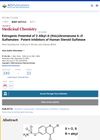
September 2003 in “Journal of Medicinal Chemistry” A substance called Compound 2g can strongly block STS (a hormone-related enzyme) without affecting estrogen levels, making it potentially good for treating breast cancer.
 January 2025 in “Advances in Dermatology and Allergology”
 Eating foods with sulfhydryl may worsen pemphigus vulgaris.
 1 citations
,
January 2007 in “The Kitakanto Medical Journal”
1 citations
,
January 2007 in “The Kitakanto Medical Journal” Effective treatment for UFT overdose includes antibiotics and G-CSF, with bone marrow biopsy and transfusion as backup options.
 1 citations
,
January 2003 in “Expert Opinion on Therapeutic Patents”
1 citations
,
January 2003 in “Expert Opinion on Therapeutic Patents” Steroid sulfatase inhibitors could potentially treat hormone-related disorders like certain cancers, hair loss, acne, and improve cognitive dysfunction.