July 2024 in “Journal of Investigative Dermatology” Topical sulforaphane reduces pigmentation and wrinkles from sun damage.
January 2008 in “Memorial University Research Repository (Memorial University)” Pygopus 2 helps ovarian cancer cells grow by aiding ribosomal RNA production, independent of Wnt signaling.
164 citations
,
September 2010 in “PLANT PHYSIOLOGY” Nitric oxide helps Solanum nigrum adapt to long-term zinc toxicity by changing root growth and metal balance.
 10 citations
,
September 2019 in “Experimental Eye Research”
10 citations
,
September 2019 in “Experimental Eye Research” The enzyme RDH12 plays a role in vision and retinal disease, with mutations leading to early onset visual loss and blindness, but the exact disease mechanism is unclear and there are no treatments yet.
 42 citations
,
October 2009 in “The journal of investigative dermatology/Journal of investigative dermatology”
42 citations
,
October 2009 in “The journal of investigative dermatology/Journal of investigative dermatology” Mutations in the KRT85 gene cause hair and nail problems.
July 2025 in “Journal of Investigative Dermatology”  10 citations
,
October 2018 in “Plant Biotechnology”
10 citations
,
October 2018 in “Plant Biotechnology” Researchers found two enzymes in Avicennia marina that help produce maslinic acid and corosolic acid, which have medicinal benefits.
98 citations
,
July 1983 in “Journal of Steroid Biochemistry” Individuals with this condition often develop male traits and identities at puberty despite being raised as females.
 28 citations
,
November 2013 in “The FASEB journal”
28 citations
,
November 2013 in “The FASEB journal” Mice with CBS deficiency are healthier on a low-methionine diet.
9 citations
,
March 2019 in “Molecular & cellular proteomics” Reductive stress messes up collagen balance and alters cell signaling in human skin cells, which could help treat certain skin diseases.
 18 citations
,
November 1994 in “Histochemical Journal”
18 citations
,
November 1994 in “Histochemical Journal” The enzyme PST is found in developing human kidneys and helps with detoxification and development.
6 citations
,
January 2010 in “Journal of Biochemical and Molecular Toxicology” The ID2 gene can help distinguish between sensitizers and irritants in skin cells.
 1 citations
,
December 2023 in “Curēus”
1 citations
,
December 2023 in “Curēus” Most children with a common hemochromatosis genotype had elevated iron levels but no severe symptoms.
 49 citations
,
January 2004 in “Journal of steroid biochemistry and molecular biology/The Journal of steroid biochemistry and molecular biology”
49 citations
,
January 2004 in “Journal of steroid biochemistry and molecular biology/The Journal of steroid biochemistry and molecular biology” Selective non-steroidal inhibitors of 5α-reductase type 1 can help treat DHT-related disorders.
August 2009 in “Mechanisms of Development” 22 citations
,
September 2001 in “Journal of Investigative Dermatology” S100A8 and S100A9 proteins help form hair shafts during growth.
43 citations
,
April 2010 in “Clinical genetics” Truncating mutations in the C2orf37 gene cause Woodhouse–Sakati syndrome.
26 citations
,
April 2011 in “British Journal of Dermatology” New mutations in the DSG4 gene cause a rare hair condition.
6 citations
,
October 2022 in “Frontiers in Physiology” Calcium channels are vital for normal skin function and their dysfunction can lead to skin issues.
Oxidative stress is linked to mild patchy alopecia areata.
 60 citations
,
November 2009 in “General and Comparative Endocrinology”
60 citations
,
November 2009 in “General and Comparative Endocrinology” Fadrozole and finasteride change gene expression related to sex hormones and thyroid hormones in frog larvae development.
15 citations
,
January 1988 Hair follicles have unique proteins that vary by species and are influenced by nutrition.
31 citations
,
December 2016 in “Anais Brasileiros de Dermatologia” DHEA reduction may be linked to frontal fibrosing alopecia, but more research is needed.
8 citations
,
October 2013 in “Chemistry Central Journal” Metabolite 7 is a strong inhibitor for Alzheimer's disease management.
4 citations
,
January 2023 in “bioRxiv (Cold Spring Harbor Laboratory)” PrrH sRNA controls pyochelin gene expression in Pseudomonas aeruginosa based on heme levels.
 May 2021 in “Journal of the Endocrine Society”
 A woman's hair loss and other symptoms were due to a rare hormone deficiency treatable with steroids.
 32 citations
,
January 1990 in “Clinical Endocrinology”
32 citations
,
January 1990 in “Clinical Endocrinology” Women with female pattern hair loss have higher levels of certain androgens, suggesting increased androgen exposure to hair follicles.
112 citations
,
January 2013 in “Experimental dermatology” Faulty Notch signalling may cause hair follicle changes and inflammation in hidradenitis suppurativa.
 23 citations
,
August 2018 in “Biochimica and biophysica acta. Molecular and cell biology of lipids”
23 citations
,
August 2018 in “Biochimica and biophysica acta. Molecular and cell biology of lipids” Different sPLA2 enzymes affect immunity, skin and hair health, reproduction, and may be potential targets for therapy.
 12 citations
,
April 1995 in “Journal of Medicinal Chemistry”
12 citations
,
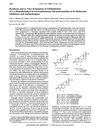
April 1995 in “Journal of Medicinal Chemistry” The new compounds moderately block a specific enzyme and strongly counteract a male hormone, suggesting potential for treating certain male-related health conditions.