 48 citations
,
July 1996 in “Human & Experimental Toxicology”
48 citations
,
July 1996 in “Human & Experimental Toxicology” Human enzymes can detoxify harmful substances but might also increase their cancer risk.
 29 citations
,
September 1990 in “Biochemical Journal”
29 citations
,
September 1990 in “Biochemical Journal” Enzyme purified and characterized for minoxidil sulphation in rat liver.
 83 citations
,
July 2008 in “Current Opinion in Chemical Biology”
83 citations
,
July 2008 in “Current Opinion in Chemical Biology” The document concludes that understanding sulfation biology is crucial for creating treatments due to its importance in biological functions and disease.
 59 citations
,
February 1998 in “Chemico-Biological Interactions”
59 citations
,
February 1998 in “Chemico-Biological Interactions” Minoxidil breakdown varies by enzymes, affecting hair loss treatment effectiveness.
 March 2026 in “Journal of Personalized Medicine”
 Genetic differences affect breast cancer treatment success with tamoxifen in South African patients.
9 citations
,
March 1993 in “Biochemical Pharmacology” Rat skin can convert minoxidil into its active form, aiding hair growth.
22 citations
,
December 2020 in “mSphere” A fungal enzyme was used to make compounds more soluble, aiding drug discovery and crop protection.
13 citations
,
January 1997 in “Biochemical Pharmacology” Human liver enzyme DHEA ST helps process minoxidil.
 26 citations
,
February 1998 in “Chemico-Biological Interactions”
26 citations
,
February 1998 in “Chemico-Biological Interactions” Scientists identified three genes important for processing certain brain chemicals, thyroid hormones, and medications.
 46 citations
,
January 1991 in “Journal of Investigative Dermatology”
46 citations
,
January 1991 in “Journal of Investigative Dermatology” Minoxidil works in liver and outer hair root sheath for hair growth.
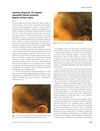 40 citations
,
December 2006 in “Journal of The European Academy of Dermatology and Venereology”
40 citations
,
December 2006 in “Journal of The European Academy of Dermatology and Venereology” Minoxidil helps hair regrowth in traction alopecia.
 18 citations
,
November 1994 in “Histochemical Journal”
18 citations
,
November 1994 in “Histochemical Journal” The enzyme PST is found in developing human kidneys and helps with detoxification and development.
16 citations
,
May 1995 in “Biochemical and Biophysical Research Communications” Both enzyme forms can sulfate minoxidil.
 47 citations
,
September 2016 in “Reviews in endocrine and metabolic disorders”
47 citations
,
September 2016 in “Reviews in endocrine and metabolic disorders” The skin's ability to produce hormones is linked to various skin conditions, and better understanding this process could lead to new treatments.
 12 citations
,
September 2018 in “Dermatologic Therapy”
12 citations
,
September 2018 in “Dermatologic Therapy” Daily low-dose aspirin lowers minoxidil's effectiveness for hair loss treatment.
 9 citations
,
August 2019 in “Journal of The European Academy of Dermatology and Venereology”
9 citations
,
August 2019 in “Journal of The European Academy of Dermatology and Venereology” Minoxidil activation by hair enzymes predicts treatment success for female hair loss.
 7 citations
,
June 2020 in “Journal of The European Academy of Dermatology and Venereology”
7 citations
,
June 2020 in “Journal of The European Academy of Dermatology and Venereology” Genetic variants affect minoxidil hair loss treatment success.
 3 citations
,
May 2020 in “Journal of The European Academy of Dermatology and Venereology”
3 citations
,
May 2020 in “Journal of The European Academy of Dermatology and Venereology” Topical booster improves hair loss treatment effectiveness.
 3 citations
,
April 2010 in “Journal of Receptors and Signal Transduction”
3 citations
,
April 2010 in “Journal of Receptors and Signal Transduction” Minoxidil, a common alopecia medication, might cause eye changes due to its properties and lack of tissue selectivity.
 March 2026 in “Saudi Journal of Pathology and Microbiology”
 Personalized genomic interventions can effectively manage chronic hair loss.
 January 2018 in “Elsevier eBooks”
 Minoxidil helps lower severe blood pressure and promotes hair growth but can have serious side effects and must be used continuously.
 397 citations
,
February 2004 in “British Journal of Dermatology”
397 citations
,
February 2004 in “British Journal of Dermatology” Minoxidil boosts hair growth by opening potassium channels and increasing cell activity.
 12 citations
,
March 2014 in “ISRN Pharmacology (Print)”
12 citations
,
March 2014 in “ISRN Pharmacology (Print)” Minoxidil with tretinoin boosts hair growth most effectively, followed by minoxidil alone, and then ketoconazole.
 February 2026 in “Frontiers in Pharmacology”
 Genetics can help tailor treatments for male pattern hair loss, improving outcomes like stabilization or modest regrowth.
75 citations
,
March 2007 in “Journal of Biological Chemistry” QSOX enzymes help form protein bonds in cells, especially in tissues with high secretory activity.
 January 2026 in “Beilstein Journal of Organic Chemistry”
 A new, efficient method creates sulfinimidate esters from sulfenamides and alcohols without metals.
 152 citations
,
April 2012 in “Recent Patents on Inflammation & Allergy Drug Discovery”
152 citations
,
April 2012 in “Recent Patents on Inflammation & Allergy Drug Discovery” Minoxidil treats hair loss, promotes growth, has side effects, and has recent patents.
 110 citations
,
August 2016 in “Drugs”
110 citations
,
August 2016 in “Drugs” Minoxidil is the only FDA-approved topical drug for treating male or female pattern hair loss, and other medications like finasteride and dutasteride can also increase hair growth.
 68 citations
,
September 1990 in “Biochemical Pharmacology”
68 citations
,
September 1990 in “Biochemical Pharmacology” Minoxidil activates hair growth by being sulfated by P-PST in the human liver.
 39 citations
,
November 1987 in “Clinica Chimica Acta”
39 citations
,
November 1987 in “Clinica Chimica Acta” Human platelets change minoxidil to minoxidil sulfate, helping blood vessels widen.