13 citations
,
January 1997 in “Biochemical Pharmacology” Human liver enzyme DHEA ST helps process minoxidil.
 69 citations
,
December 2005 in “Nature Clinical Practice Endocrinology & Metabolism”
69 citations
,
December 2005 in “Nature Clinical Practice Endocrinology & Metabolism” Blocking the enzyme 11β-HSD1 might help treat obesity and metabolic issues.
18 citations
,
June 2001 in “Journal of Investigative Dermatology” Adding a specific gene to skin cells can help treat skin disorders like psoriasis.
 2 citations
,
July 2019 in “PLOS ONE”
2 citations
,
July 2019 in “PLOS ONE” Certain genetic variations are linked to higher liver enzyme levels in patients treated for chronic hepatitis C with specific drugs.
 17 citations
,
December 2004 in “Bioorganic & Medicinal Chemistry Letters”
17 citations
,
December 2004 in “Bioorganic & Medicinal Chemistry Letters” Scientists found new, better-working inhibitors for a hormone-related enzyme.
 17 citations
,
October 2006 in “Molecular and Cellular Endocrinology”
17 citations
,
October 2006 in “Molecular and Cellular Endocrinology” The L457(3.43)R mutation in the human lutropin receptor causes increased activity and hormone insensitivity, leading to precocious puberty.
124 citations
,
July 1997 in “Journal of Biological Chemistry” Overexpressing a specific enzyme in mice causes hair loss and female infertility.
19 citations
,
September 2013 in “Psychoneuroendocrinology” Blocking CYP17A1 enzyme may help improve certain brain function issues related to dopamine.
May 2018 in “The Journal of Immunology” A(1-7) treatment reduces symptoms of lupus in mice.
 26 citations
,
February 1998 in “Chemico-Biological Interactions”
26 citations
,
February 1998 in “Chemico-Biological Interactions” Scientists identified three genes important for processing certain brain chemicals, thyroid hormones, and medications.
1 citations
,
May 2025 in “Cell Reports Medicine” RSPO1 could help create new diabetes treatments by increasing pancreatic β cells.
128 citations
,
December 2006 in “Journal of Biological Chemistry” Altering SSAT affects fat metabolism and body fat in mice.
March 2023 in “The Journal of Urology” Higher SRD5A2 expression predicts better response to finasteride in treating urinary symptoms.
January 2002 in “映像情報メディア学会技術報告” Some prostate cancers have gene changes that may affect treatment with certain drugs.
108 citations
,
April 2004 in “Medicinal Research Reviews” Steroid sulfatase inhibitors could help treat hormone-related disorders and cancers.
 37 citations
,
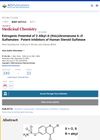
September 2003 in “Journal of Medicinal Chemistry”
37 citations
,
September 2003 in “Journal of Medicinal Chemistry” A substance called Compound 2g can strongly block STS (a hormone-related enzyme) without affecting estrogen levels, making it potentially good for treating breast cancer.
18 citations
,
June 2016 in “Brain Research” Increasing TSPO in the brain may help improve memory problems.
37 citations
,
February 2005 in “Journal of Investigative Dermatology” Overexpression of SSAT causes hair loss and skin issues, but reducing putrescine can help.
 20 citations
,
June 2007 in “Recent Patents on Endocrine, Metabolic & Immune Drug Discovery”
20 citations
,
June 2007 in “Recent Patents on Endocrine, Metabolic & Immune Drug Discovery” Certain inhibitors can potentially treat prostate cancer and other hormone-dependent conditions by controlling sex hormone levels in cells.
16 citations
,
May 1995 in “Biochemical and Biophysical Research Communications” Both enzyme forms can sulfate minoxidil.
10 citations
,
December 1991 in “Annals of the New York Academy of Sciences” Minoxidil boosts hair growth in genetically modified mice.
 70 citations
,
March 2010 in “The Journal of Steroid Biochemistry and Molecular Biology”
70 citations
,
March 2010 in “The Journal of Steroid Biochemistry and Molecular Biology” Blocking a specific enzyme might help treat obesity and diabetes, but more research is needed to ensure it's safe.
26 citations
,
March 2006 in “Endocrine, metabolic & immune disorders. Drug targets” This enzyme helps metabolize fatty acids and isoleucine, and could be key in treating neurological diseases and certain cancers.
22 citations
,
May 2011 in “European Journal of Cancer” The drug combination was safe and showed promise in treating advanced tumors.
 66 citations
,
September 1982 in “Biochemical Pharmacology”
66 citations
,
September 1982 in “Biochemical Pharmacology” Liver enzyme helps minoxidil work better for blood vessel relaxation.
 May 2018 in “Más dermatología”
 The higher dose supplement was more effective in treating female hair loss.
 47 citations
,
November 2012 in “Expert Opinion on Therapeutic Patents”
47 citations
,
November 2012 in “Expert Opinion on Therapeutic Patents” The document concludes that research on sulfatase inhibitors should continue due to their potential in treating various diseases, despite some clinical trial failures.
2 citations
,
March 2025 in “Cancer Gene Therapy” Targeting Sirt1 can reduce androgen levels and slow glioblastoma growth.
39 citations
,
April 2019 in “The journal of immunology/The Journal of immunology” Malt1 protease is essential for regulatory T cell function and could be targeted to boost antitumor immunity.
75 citations
,
February 2017 in “Aging” SkQ1 antioxidant improved health and lifespan in mice.