79 citations
,
December 2017 in “Cosmetics” Effective sunscreen formulations can reduce skin absorption and enhance protection.
 27 citations
,
April 2019 in “Journal of The American Academy of Dermatology”
27 citations
,
April 2019 in “Journal of The American Academy of Dermatology” Where melanoma is on the body affects survival chances; melanomas on the back of the head are worse, while those on thighs and arms are less severe, and more sun exposure might improve survival.
 27 citations
,
June 2015 in “Journal of photochemistry and photobiology. B, Biology”
27 citations
,
June 2015 in “Journal of photochemistry and photobiology. B, Biology” The new lab-grown skin model is good for testing sunscreen's protection against DNA damage from UV light.
 26 citations
,
October 2018 in “British Journal of Dermatology”
26 citations
,
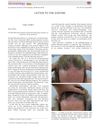
October 2018 in “British Journal of Dermatology” Regular use of sunscreen may be linked to frontal fibrosing alopecia.
 26 citations
,
June 2018 in “Australasian Journal of Dermatology”
26 citations
,
June 2018 in “Australasian Journal of Dermatology” Stopping sunscreen use on the forehead led to hair regrowth in a woman with frontal fibrosing alopecia.
 24 citations
,
December 2011 in “Journal of The American Academy of Dermatology”
24 citations
,
December 2011 in “Journal of The American Academy of Dermatology” Melanoma survivors are more likely to use sunscreen and seek shade than others, but less than half often use sunscreen and avoid the sun, and some still use tanning beds.
 24 citations
,
January 2006 in “Dermatologic clinics”
24 citations
,
January 2006 in “Dermatologic clinics” Hair sunscreens are important for maintaining hair's cosmetic value.
20 citations
,
April 2019 in “BioMed Research International” Treatments with sunscreen and active ingredients can reduce skin hyperpigmentation by decreasing DNA methylation.
18 citations
,
May 2014 in “International journal of pharmaceutics” Aging and sun damage do not increase the skin's absorption of certain sunscreens and drugs.
 16 citations
,
February 2015 in “Photochemistry and Photobiology”
16 citations
,
February 2015 in “Photochemistry and Photobiology” Hair acts as a significant natural sun barrier, with protection increasing based on hair density, thickness, and melanin presence.
 13 citations
,
December 2013 in “Chemistry Central Journal”
13 citations
,
December 2013 in “Chemistry Central Journal” Sunlight exposure increases drug toxicity; amber glass best for protection.
12 citations
,
March 2019 in “Cosmetics” The oral supplement with Pinus pinaster and Grape seed extract, used with sunscreen, effectively and safely improved mild-to-moderate facial melasma.
11 citations
,
January 2022 in “Journal of Healthcare Engineering” The combined treatment is more effective and safer for improving sunken acne scars.
8 citations
,
January 2016 Curcumin can safely replace Sunset Yellow as a food colorant.
7 citations
,
January 1989 in “Archives of Dermatological Research” The side gland of Suncus murinus is a good model for studying human sebaceous glands.
5 citations
,
July 2018 in “Skin appendage disorders” Sunscreen spray on the scalp may be linked to a type of scarring hair loss.
4 citations
,
August 2015 in “Journal of Cosmetic Dermatology” Sunscreens with UVA blockers effectively reduce skin fluorescence for several hours.
4 citations
,
February 2018 in “World journal of surgical oncology” A young woman with kidney cancer experienced rare hair loss from a cancer drug and unusual cancer spread, suggesting early drug treatment might reduce spread and prolong survival.
 3 citations
,
October 2024 in “Frontiers in Medicine”
3 citations
,
October 2024 in “Frontiers in Medicine” Sun-exposed skin shows different cell activity and gene expression, suggesting targets to prevent skin aging and cancer.
 3 citations
,
January 2022 in “Journal of The American Academy of Dermatology”
3 citations
,
January 2022 in “Journal of The American Academy of Dermatology” Using sunscreen and moisturizers may increase the chance of developing Frontal fibrosing alopecia (FFA), but the exact reason why is still unclear.
 2 citations
,
May 2022 in “Acta dermato-venereologica”
2 citations
,
May 2022 in “Acta dermato-venereologica” People with frontal fibrosing alopecia use sunscreen more due to increased sun damage, not because sunscreen causes their condition.
2 citations
,
April 2021 in “International Journal of Cosmetic Science” The sunscreen with two antioxidants offers quick and lasting skin protection from sun damage.
 2 citations
,
July 2020 in “International Journal for Research in Applied Science and Engineering Technology”
2 citations
,
July 2020 in “International Journal for Research in Applied Science and Engineering Technology” Pseudomonas DL17 can completely break down the harmful dye Sunset Yellow FCF in 48 hours.
1 citations
,
June 2025 in “Pharmacognosy Research” The F4 polyherbal sunscreen is a promising natural alternative with effective UV protection and antioxidant benefits.
1 citations
,
November 2020 in “Journal of the American Academy of Dermatology” Most sunscreens meet safety standards, but tanning products often don't.
1 citations
,
April 2020 in “Journal of the Endocrine Society” Immunotherapy with pembrolizumab significantly reduced cancer in a young woman with adrenocortical carcinoma.
 1 citations
,
November 2004 in “Clinical and Experimental Dermatology”
1 citations
,
November 2004 in “Clinical and Experimental Dermatology” Most bald men don't protect their scalp from the sun, and doctors should encourage prevention.
 March 2026 in “DergiPark (Istanbul University)”
 Pregnant women need better awareness and education on sun protection and safe cosmetic use.
October 2025 in “Journal of the Endocrine Society” Unregulated glucocorticoid use can disrupt hormone balance and cause serious health issues.
October 2025 in “Journal of the Endocrine Society” Ovarian hyperthecosis can cause high testosterone and symptoms like hair loss, and surgery can help improve these symptoms.