2 citations
,
January 2024 in “Pharmaceuticals” Deep eutectic solvents are eco-friendly and effective for extracting useful pharmaceutical compounds.
1 citations
,
July 2025 in “Cosmetics” Plant extracts could be effective natural skincare ingredients.
1 citations
,
January 2025 in “IntechOpen eBooks” A comprehensive system is needed to ensure cosmetics are safe and effective, using global insights and new AI technologies.
1 citations
,
May 2021 in “Research journal of topical and cosmetic sciences” Muttaijow ComplexTM improved skin, hair, and nail health in middle-aged adults.
January 2026 in “Aging and Disease” Targeting mitochondria can improve skin health and slow aging.
December 2025 in “Clinical and Translational Science” EGFR inhibitors in breast cancer treatment can cause serious skin issues affecting patient quality of life.
November 2025 in “Journal of Natural Fibers” Human hair waste can be valuable in engineering and materials due to its unique properties.
 March 2025 in “PHARMADEMICA Jurnal Kefarmasian dan Gizi”
 Cucumber extract shampoo effectively fights fungi and meets quality standards.
 February 2025 in “Cosmetics”
 Blue light therapy is promising for skin and hair conditions but needs more research for widespread use.
 December 2024 in “Health Science Reports”
 Topical metformin shows promise for dental and skin treatments, including periodontitis, hair regrowth, wound healing, and acne.
 November 2024 in “Journal of Clinical Medicine”
 The treatment improved hair thickness, shine, and reduced hair loss effectively.
August 2024 in “Cosmetics” Peanut callus extract helps grow hair and prevent hair loss.
November 2023 in “Cosmetics” Rice derivatives in conditioners protect and improve hair health.
October 2023 in “Biomimetics” The new hair-dyeing shampoo is safe, colors hair evenly, and strengthens it.
May 2021 in “Research journal of topical and cosmetic sciences” TrichovitalsTM improved skin, hair, and nail health in adults after 12 weeks.
 January 2017 in “Journal of Investigative Dermatology Symposium Proceedings”
 The 2015 Hair Research Congress concluded that stem cells, maraviroc, and simvastatin could potentially treat Alopecia Areata, topical minoxidil, finasteride, and steroids could treat Frontal Fibrosing Alopecia, and PTGDR2 antagonists could also treat alopecia. They also found that low-level light therapy could help with hair loss, a robotic device could assist in hair extraction, and nutrition could aid hair growth. They suggested that Alopecia Areata is an inflammatory disorder, not a single disease, indicating a need for personalized treatments.
November 2008 in “Journal of the American Academy of Dermatology” 164 citations
,
February 2019 in “Anais Brasileiros de Dermatologia” Adult female acne requires personalized treatment and maintenance to prevent relapse.
70 citations
,
June 2023 in “International Journal of Molecular Sciences” Air pollution harms skin health and can worsen skin diseases.
20 citations
,
June 2021 in “British Journal of Dermatology” Use antimalarials like hydroxychloroquine for cutaneous lupus, avoid herbal supplements, and focus on lifestyle changes like sun protection.
17 citations
,
September 2024 in “Journal of Ginseng Research” Ginseng may improve skin health and anti-aging, but how it works is still unclear.
15 citations
,
July 2021 in “AAPS PharmSciTech” 10 citations
,
September 2022 in “Journal of Biophotonics” Blue light therapy is safe for skin and may protect against UV radiation.
6 citations
,
January 2022 in “Database” The data set helps improve predictions of how substances are absorbed through pig skin.
5 citations
,
August 2025 in “Biomedicines” Early detection and multidisciplinary management of skin and mouth side effects from breast cancer treatments improve patient outcomes.
1 citations
,
October 2023 in “International Journal of Women s Health” Wearing a hijab doesn't affect scalp health if worn dry and without existing scalp issues.
January 2026 in “Updates in clinical dermatology”  26 citations
,
October 2018 in “British Journal of Dermatology”
26 citations
,
October 2018 in “British Journal of Dermatology” Regular use of sunscreen may be linked to frontal fibrosing alopecia.
 26 citations
,
June 2018 in “Australasian Journal of Dermatology”
26 citations
,
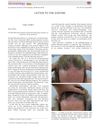
June 2018 in “Australasian Journal of Dermatology” Stopping sunscreen use on the forehead led to hair regrowth in a woman with frontal fibrosing alopecia.
20 citations
,
April 2019 in “BioMed Research International” Treatments with sunscreen and active ingredients can reduce skin hyperpigmentation by decreasing DNA methylation.