 55 citations
,
September 2014 in “Development”
55 citations
,
September 2014 in “Development” Wnt, Eda, and Shh pathways are crucial for different stages of sweat gland development in mice.
 8 citations
,
March 2019 in “Open Biology”
8 citations
,
March 2019 in “Open Biology” The document concludes that regenerating functional ectodermal organs like teeth and hair is promising for future therapies.
3D culture better preserves sweat gland cell identity than 2D culture.
 26 citations
,
January 2014 in “Cell Structure and Function”
26 citations
,
January 2014 in “Cell Structure and Function” Human sweat glands contain stem cells capable of self-renewal and forming different cell types.
 15 citations
,
May 2013 in “American Journal of Medical Genetics - Part A”
15 citations
,
May 2013 in “American Journal of Medical Genetics - Part A” People with X-linked hypohidrotic ectodermal dysplasia have no sweat ducts and less, thinner hair.
 12 citations
,
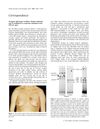
May 2001 in “British journal of dermatology/British journal of dermatology, Supplement”
12 citations
,
May 2001 in “British journal of dermatology/British journal of dermatology, Supplement” A rare benign skin tumor showed unusual features of sebaceous and sweat glands, important for correct diagnosis.
 18 citations
,
March 2009 in “Medical Hypotheses”
18 citations
,
March 2009 in “Medical Hypotheses” The document suggests that blocking sweat glands with antiperspirants might allow skin-generated hormones to be absorbed, possibly increasing breast and prostate cancer risk.
 16 citations
,
July 2012 in “Current pharmaceutical biotechnology”
16 citations
,
July 2012 in “Current pharmaceutical biotechnology” New treatments for skin conditions related to the sebaceous gland are being developed based on current research.
 42 citations
,
July 2014 in “Journal of biological chemistry/The Journal of biological chemistry”
42 citations
,
July 2014 in “Journal of biological chemistry/The Journal of biological chemistry” Heparan sulfate is important for hair growth, preventing new hair formation in mature skin, and controlling oil gland development.
 38 citations
,
August 2005 in “Veterinary dermatology”
38 citations
,
August 2005 in “Veterinary dermatology” A disease causing skin issues in young adult German short-haired pointers is hereditary, with most affected dogs not responding to treatment.
 305 citations
,
February 2007 in “Hormone and metabolic research”
305 citations
,
February 2007 in “Hormone and metabolic research” Human skin makes sexual hormones that affect hair growth, skin health, and healing; too much can cause acne and hair loss, while treatments can manage these conditions.
 40 citations
,
January 2016 in “Elsevier eBooks”
40 citations
,
January 2016 in “Elsevier eBooks” The skin is the largest organ, protecting the body, regulating temperature, and producing hormones.
 10 citations
,
February 2013 in “British Journal of Dermatology”
10 citations
,
February 2013 in “British Journal of Dermatology” Thyrotropin-releasing hormone may help control skin and hair growth and could aid in treating related disorders.
 253 citations
,
March 1994 in “Developmental dynamics”
253 citations
,
March 1994 in “Developmental dynamics” Apoptosis is essential for human skin development and forming a functional epidermis.
 133 citations
,
September 2013 in “Nature Reviews Molecular Cell Biology”
133 citations
,
September 2013 in “Nature Reviews Molecular Cell Biology” Different types of stem cells and their environments are key to skin repair and maintenance.
 131 citations
,
March 2004 in “The American journal of pathology”
131 citations
,
March 2004 in “The American journal of pathology” Modulating BMP activity changes the number, size, shape, and type of ectodermal organs.
 85 citations
,
July 2012 in “Cold Spring Harbor perspectives in biology”
85 citations
,
July 2012 in “Cold Spring Harbor perspectives in biology” The skin protects the body and is constantly renewed by stem cells; disruptions can lead to cancer.
 69 citations
,
June 2017 in “Experimental Biology and Medicine”
69 citations
,
June 2017 in “Experimental Biology and Medicine” Advanced human skin models improve drug development and could replace animal testing.
10 citations
,
February 2021 in “PLoS biology” Corin helps control salt and sweat release in sweat glands.
3 citations
,
January 2022 in “Burns & Trauma” CTHRC1 helps sweat glands recover by rebuilding nearby blood vessels.
22 citations
,
August 1999 in “Mechanisms of Development” Pmg-1 and Pmg-2 are new genes important for skin and mammary gland development.
20 citations
,
November 2021 in “Frontiers in cell and developmental biology” Skin organoids from stem cells could better mimic real skin but face challenges.
133 citations
,
July 2020 in “Cells” Creating fully functional artificial skin for chronic wounds is still very challenging.
 10 citations
,
September 2022 in “Advanced Healthcare Materials”
10 citations
,
September 2022 in “Advanced Healthcare Materials” Current methods can't fully recreate skin and its features, and more research is needed for clinical use.
 November 2024 in “Burns & Trauma”
 Skin organoids help improve wound healing and tissue repair.
1 citations
,
February 2025 in “Journal of Anatomy” Gray short-tailed opossums' skin shifts from helping with breathing to regulating body temperature as they grow.
 156 citations
,
October 2012 in “Seminars in Cell & Developmental Biology”
156 citations
,
October 2012 in “Seminars in Cell & Developmental Biology” Different types of stem cells in hair follicles play unique roles in wound healing and hair growth, with some stem cells not originating from existing hair follicles but from non-hair follicle cells. WNT signaling and the Lhx2 factor are key in creating new hair follicles.
 96 citations
,
June 2017 in “Nature Communications”
96 citations
,
June 2017 in “Nature Communications” A WNT10A gene mutation leads to ectodermal dysplasia by disrupting cell growth and differentiation.
 September 1998 in “Journal of The European Academy of Dermatology and Venereology”
 The conclusion is that proper recognition and treatment of skin conditions are crucial for the elderly due to changes in skin, nails, and hair with age, and the impact of these conditions on health and mobility.
 35 citations
,
April 2014 in “American Journal of Medical Genetics”
35 citations
,
April 2014 in “American Journal of Medical Genetics” Boys with less severe EDA mutations in XLHED have milder symptoms and better sweat and hair production.