 85 citations
,
October 2012 in “Dermatologic Clinics”
85 citations
,
October 2012 in “Dermatologic Clinics” Alopecia Areata is an autoimmune condition often starting before age 20, with varied treatment success and a need for personalized treatment plans.
 25 citations
,
October 1976 in “The BMJ”
25 citations
,
October 1976 in “The BMJ” A woman showed neurological symptoms from psittacosis linked to bird exposure, improving after antibiotic treatment.
 20 citations
,
July 2008 in “Dermatologic Therapy”
20 citations
,
July 2008 in “Dermatologic Therapy” The document says that treating the root cause of hair follicle damage is crucial to prevent permanent hair loss, and treatment options vary.
 14 citations
,
January 1985 in “International Journal of Dermatology”
14 citations
,
January 1985 in “International Journal of Dermatology” The cause of alopecia areata was unknown, and while various treatments existed, no best treatment was agreed upon.
 12 citations
,
March 2004 in “International Journal of Dermatology”
12 citations
,
March 2004 in “International Journal of Dermatology” A woman with X-linked chronic granulomatous disease developed lupus-like skin lesions, improved with treatment, suggesting a unique skin condition in carriers.
 7 citations
,
May 2014 in “Clinical practice”
7 citations
,
May 2014 in “Clinical practice” Cooling the scalp may prevent hair loss from chemotherapy, hair often grows back after treatment, and nail issues usually improve after stopping the drug.
 5 citations
,
March 2011 in “Journal of pediatric health care”
5 citations
,
March 2011 in “Journal of pediatric health care” The girl with autoimmune hair loss might regrow hair within a year, and treatments can help but not prevent recurrence; dermatologist referral and corticosteroids are recommended.
 5 citations
,
October 1984 in “The BMJ”
5 citations
,
October 1984 in “The BMJ” Up to 50% of scalp hair can be lost before it appears thin, and treatment is only needed for hair loss caused by diseases or deficiencies.
 3 citations
,
July 2012 in “British journal of hospital medicine”
3 citations
,
July 2012 in “British journal of hospital medicine” The guide helps clinicians diagnose and manage hair loss, detailing examination techniques and treatments for different types of alopecia.
 2 citations
,
October 2015 in “Primary Care: Clinics in Office Practice”
2 citations
,
October 2015 in “Primary Care: Clinics in Office Practice” Doctors should diagnose hair loss by examining the patient and possibly doing tests, and then treat it based on the type, which may prevent permanent hair loss.

Afro-textured hair is more fragile and prone to certain scalp conditions, requiring careful treatment and more research for effective management.
 2 citations
,
January 2004 in “Elsevier eBooks”
2 citations
,
January 2004 in “Elsevier eBooks” Lupus affects the skin in various ways, and proper skin examination is crucial for diagnosis and treatment.
 1 citations
,
July 2018 in “Elsevier eBooks”
1 citations
,
July 2018 in “Elsevier eBooks” Heredity and hormones cause common hair loss, and topical minoxidil is the first recommended treatment.
 1 citations
,
January 2015 in “Springer eBooks”
1 citations
,
January 2015 in “Springer eBooks” AGA is a common hair loss disorder, and early diagnosis and treatment with minoxidil or finasteride can help reduce emotional distress.
 1 citations
,
November 2014
1 citations
,
November 2014 The document explains hair and nail biology, common hair loss conditions and treatments, oral and genital skin diseases, and the risks and treatments associated with squamous cell carcinoma.
 1 citations
,
June 2010 in “Expert Review of Dermatology”
1 citations
,
June 2010 in “Expert Review of Dermatology” Covers common skin issues in kids, their diagnosis, treatment, and need for specialist care.

Understanding alopecia in Mexican adults helps create better, tailored treatments.
 July 2025 in “International Journal of Dermatology Venereology and Leprosy Sciences”
 Higher stress levels may worsen alopecia areata, suggesting stress management is important for treatment.
 May 2025 in “The Journal of Rheumatology”
 Catatonia can be a rare sign of lupus, needing careful diagnosis and treatment.
 May 2025 in “The Journal of Rheumatology”
 Antiphospholipid syndrome can severely damage adrenal glands, requiring early diagnosis and treatment.
 September 2024 in “Quality in Sport”
 Trichotillomania is an obsessive-compulsive disorder causing hair pulling, needing complex treatment to prevent serious issues.
 October 2023 in “European medical journal. Dermatology”
 Hair loss greatly affects quality of life, and dermatologists are crucial for proper diagnosis and treatment.
 March 2023 in “International Journal of Biomedicine”
 Hair loss from Telogen Effluvium can be managed by treating the underlying cause and may improve with treatments like minoxidil.
 January 2007 in “Elsevier eBooks”
 Alopecia areata is a reversible, autoimmune-related hair loss that can have significant emotional impact and uncertain treatment effectiveness.
 September 2003 in “Clinics in Family Practice”
 Different hair diseases affect people during childbearing years, with treatments ranging from medication to psychological support.
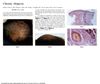 June 1995 in “Archives of Dermatology”
 A woman's hair loss was due to trichotillomania, which is often misdiagnosed and can require different treatments based on age and underlying conditions.
 129 citations
,
October 2007 in “The New England Journal of Medicine”
129 citations
,
October 2007 in “The New England Journal of Medicine” Over one-third of women experience hair loss, with female-pattern hair loss being most common, and treatments include minoxidil and possibly hair transplantation.
 105 citations
,
April 2004 in “Dermatologic Therapy”
105 citations
,
April 2004 in “Dermatologic Therapy” The document concludes that proper diagnosis and a combination of medical, hair-care, and surgical treatments are important for managing alopecia in black women.
 90 citations
,
July 2008 in “Dermatologic therapy”
90 citations
,
July 2008 in “Dermatologic therapy” Lichen planopilaris is a chronic, scarring hair loss condition with no definitive cure, requiring accurate diagnosis and treatment to manage symptoms.
 88 citations
,
June 2009 in “Cleveland Clinic Journal of Medicine”
88 citations
,
June 2009 in “Cleveland Clinic Journal of Medicine” To manage diffuse hair loss, identify the cause, improve nutrition, remove triggers, and use specific treatments like minoxidil or finasteride.