 41 citations
,
March 2007 in “Steroids”
41 citations
,
March 2007 in “Steroids” New methods to make oxasteroids show promise for medical treatments like osteoporosis and breast cancer.
 April 2024 in “International journal of women's health”
 Adult female acne is a complex condition that can worsen with menopause, requiring holistic treatment and tailored skincare at different life stages.
 118 citations
,
April 1998 in “Dermatologic Clinics”
118 citations
,
April 1998 in “Dermatologic Clinics” Finasteride and minoxidil are effective for hair regrowth, while treatments for alopecia areata have varying success and continuous treatment is necessary.
 305 citations
,
February 2007 in “Hormone and metabolic research”
305 citations
,
February 2007 in “Hormone and metabolic research” Human skin makes sexual hormones that affect hair growth, skin health, and healing; too much can cause acne and hair loss, while treatments can manage these conditions.
 3 citations
,
February 2008 in “Basic and clinical dermatology”
3 citations
,
February 2008 in “Basic and clinical dermatology” Telogen Effluvium is a hair loss condition where treatment involves identifying and managing its triggers.
 December 2022 in “International Journal of Biomedicine”
 Androgens may worsen COVID-19 and hair loss could indicate the disease's severity.
 78 citations
,
February 2011 in “Canadian Medical Association Journal”
78 citations
,
February 2011 in “Canadian Medical Association Journal” Acne treatment varies, with topical and systemic therapies effective, and more research needed on treatment order and long-term effects.
 59 citations
,
May 2014 in “Expert Opinion on Therapeutic Targets”
59 citations
,
May 2014 in “Expert Opinion on Therapeutic Targets” The document concludes that targeting 5α-reductase, the androgen receptor, and hair growth genes, along with using compounds with anti-androgenic properties, could lead to more effective hair loss treatments.
 July 2026 in “International Journal of Drug Delivery Technology”
 Curcumin and piperine may effectively and safely promote hair regrowth in alopecia.
 87 citations
,
July 2012 in “Expert Review of Clinical Immunology”
87 citations
,
July 2012 in “Expert Review of Clinical Immunology” Pregnancy can increase lupus activity, but careful planning and treatment can improve outcomes.
 97 citations
,
November 1986 in “Journal of Steroid Biochemistry”
97 citations
,
November 1986 in “Journal of Steroid Biochemistry” Antiandrogens affect androgen-dependent body functions and are used for various medical conditions, with some risks like fetus feminization, but new forms like 17α-propylmesterolone show promise for acne without systemic effects.
2 citations
,
September 2025 in “Cosmetics” Hormonal therapies can improve skin issues by adjusting hormone levels, with future advancements promising better results.
 May 2022 in “Journal of the Egyptian Women's Dermatologic Society (Print)”
 Women's hair loss can be due to hormonal changes and various conditions, with treatments focusing on stopping progression and managing symptoms.
466 citations
,
June 2009 in “Experimental dermatology” We now understand more about what causes acne and this could lead to better, more personalized treatments.
 11 citations
,
January 1985 in “Archives of Dermatology”
11 citations
,
January 1985 in “Archives of Dermatology” Topical antiandrogens might treat skin issues like hair growth, balding, and acne, but finding effective treatments without side effects is challenging.
 January 1983 in “Elsevier eBooks”
 Cyproterone acetate is used to treat conditions like prostate cancer, early puberty, excessive sexual drive, and female androgenization by affecting androgen functions and suppressing certain hormones.
 16 citations
,
August 2004 in “Tetrahedron”
16 citations
,
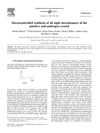
August 2004 in “Tetrahedron” Scientists made all eight versions of a compound called cyoctol, but found it's not an anti-androgen and it fully breaks down in the skin.
 12 citations
,
April 2018 in “Revista Brasileira de Ginecologia e Obstetrícia”
12 citations
,
April 2018 in “Revista Brasileira de Ginecologia e Obstetrícia” Women with Systemic Lupus Erythematosus should have closely monitored pregnancies and avoid certain medications to improve their pregnancy outcomes.
 November 2020 in “Elsevier eBooks”
 Antiandrogens and androgen inhibitors like spironolactone, finasteride, and dutasteride can treat hair loss and skin conditions, but they have risks and side effects, including potential harm to pregnant women and risks of cancer and heart issues. Herbal remedies also have antiandrogenic effects but lack safety validation.
 July 2005 in “SKINmed/Skinmed”
 BRL 7660, once studied for male contraception, showed promise as an acne treatment but was not developed further due to competing drugs.
 August 2001 in “Journal of Cutaneous Medicine and Surgery”
 Prednisone has risks for lupus patients, isotretinoin is safe for mental health, transplant patients risk skin cancer, and various treatments are effective for specific skin conditions.
 4 citations
,
October 2007 in “Dermatologic Clinics”
4 citations
,
October 2007 in “Dermatologic Clinics” Glucocorticoids and sex hormones affect skin health, with potential for targeted treatments to minimize side effects and treat skin conditions.
 42 citations
,
July 2015 in “Journal of The American Academy of Dermatology”
42 citations
,
July 2015 in “Journal of The American Academy of Dermatology” The conclusion is that oral contraceptives and antiandrogens can treat hirsutism and acne in women with cutaneous hyperandrogenism, but more research is needed for effective treatments, especially for hair loss.
 66 citations
,
September 2008 in “Dermatologic therapy”
66 citations
,
September 2008 in “Dermatologic therapy” The conclusion is that the best initial treatment for hirsutism is usually oral contraceptives, with the addition of antiandrogens or insulin sensitizers if needed, and topical eflornithine or laser treatments as supplementary options.
 2 citations
,
January 2012 in “Journal of metabolic syndrome”
2 citations
,
January 2012 in “Journal of metabolic syndrome” The document concludes that hirsutism can be managed with various treatments tailored to the individual, potentially improving quality of life.
 30 citations
,
January 1998 in “Dermatology”
30 citations
,
January 1998 in “Dermatology” Birth control pills and cyproterone acetate can help treat acne in women, especially when linked to hormonal issues.
 16 citations
,
October 2009 in “Dermatology”
16 citations
,
October 2009 in “Dermatology” The spironolactone cream did not reduce hair growth in women with hirsutism.
 December 2025 in “IP Indian Journal of Clinical and Experimental Dermatology”
 Androgenetic alopecia treatments are becoming more personalized and include new therapies like topical antiandrogens and regenerative strategies.
 82 citations
,
January 2000 in “Hormone Research in Paediatrics”
82 citations
,
January 2000 in “Hormone Research in Paediatrics” DHEA stimulates skin oil glands and could help postmenopausal women, with potential for acne and excessive hair growth treatments.
 47 citations
,
August 2000 in “Endocrine Reviews”
47 citations
,
August 2000 in “Endocrine Reviews” The document concludes that more research is needed to understand excessive hair growth in women with normal hormone levels and regular ovulation.