 1 citations
,
November 2001 in “British Journal of Dermatology”
1 citations
,
November 2001 in “British Journal of Dermatology” Oral cyclosporin doesn't stop hair loss.
 1 citations
,
October 1996 in “Journal of Cutaneous Medicine and Surgery”
1 citations
,
October 1996 in “Journal of Cutaneous Medicine and Surgery” Gene therapy shows promise for treating skin disorders and cancer, but faces technical challenges.
 June 2026 in “Discover Nano”
 Lipid nanocarriers could effectively promote hair regrowth with fewer side effects.

Scalp cooling helps prevent hair loss and improves quality of life during chemotherapy.
 November 2025 in “International Journal of Recent Innovations in Medicine and Clinical Research”
 Understanding different types of hair loss helps in accurate diagnosis and treatment.
June 2025 in “British Journal of Clinical Pharmacology” Chemotherapy often causes skin and hair issues, but early management can help improve patient care.
 January 2024 in “Frontiers in immunology”
 Histone modification is key in treating chronic inflammatory skin diseases.
 August 2018 in “Journal of The American Academy of Dermatology”
 A 16-year-old girl's skin rash was likely caused by an infection and improved with topical steroids.
 August 2018 in “Journal of The American Academy of Dermatology”
 A 54-year-old man with painful skin blisters and fever was diagnosed with Sweet syndrome and successfully treated with corticosteroids.
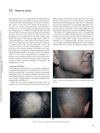 April 2012 in “Informa Healthcare eBooks”
 Alopecia areata is a common autoimmune condition causing varying hair loss, diagnosed by specific patterns of inflammation around hair follicles, with several treatment options available.
 November 2011 in “Australasian Journal of Dermatology”
 Cellulite may be linked to low adiponectin, isotretinoin with UVB can treat psoriasis effectively, permanent alopecia post-chemotherapy resembles a unique hair loss, deodorants may cause fragrance allergies, desmoplastic melanoma is becoming more common, and intensive UVB treatment can give long-term psoriasis remission.
 July 2011 in “Springer eBooks”
 The document concluded that FDA-approved treatments like minoxidil and finasteride are effective for hair loss, while the effectiveness of natural remedies and other non-approved treatments is not well-supported by evidence.
 June 2011 in “The Journal for Nurse Practitioners”
 Up to half of adult women may experience hair loss, and doctors should use medical history, exams, and tests to find the cause and treat it.
 June 2008 in “Springer eBooks”
 The document concludes that permanent hair loss conditions are complex, require early specific treatments, and "secondary permanent alopecias" might be a more accurate term than "secondary cicatricial alopecia."
 September 1998 in “Journal of The European Academy of Dermatology and Venereology”
 Skin fungal infections are more common in older adults due to factors like obesity, poor circulation, reduced mobility, and weakened immune defenses from certain medications.
 December 2017 in “Actas Dermo-Sifiliográficas”
 Scalp cooling reduces chemotherapy-induced hair loss without increasing risk of skin metastases.
 281 citations
,
January 2013 in “British Journal of Dermatology”
281 citations
,
January 2013 in “British Journal of Dermatology” Manage vitiligo with treatments, address emotions, and use camouflage techniques.
 157 citations
,
August 2010 in “Lupus”
157 citations
,
August 2010 in “Lupus” The document concludes that recognizing and treating cutaneous lupus erythematosus early is crucial for managing the skin and potential systemic symptoms.
 151 citations
,
July 2011 in “Archives of Dermatological Research”
151 citations
,
July 2011 in “Archives of Dermatological Research” Liposomal systems show promise for delivering drugs through the skin but face challenges like high costs and stability issues.
 18 citations
,
September 2006 in “Dermatologic Surgery”
18 citations
,
September 2006 in “Dermatologic Surgery” Aggressive scalp squamous cell carcinomas have a high death rate and need early, strong treatment.
 12 citations
,
December 1987 in “Cancer Chemotherapy and Pharmacology”
12 citations
,
December 1987 in “Cancer Chemotherapy and Pharmacology” Vitamin E in the diet might help protect against hair loss caused by the chemotherapy drug doxorubicin in rabbits.
 8 citations
,
June 2008 in “Aktuelle Dermatologie”
8 citations
,
June 2008 in “Aktuelle Dermatologie” Early diagnosis and personalized treatment are crucial for managing different types of alopecia effectively.
3 citations
,
February 2025 in “Frontiers in Cell and Developmental Biology” Wharton's Jelly stem cell medium may help treat skin issues in Systemic Sclerosis.
 2 citations
,
March 2016 in “Obstetrics and Gynecology Clinics of North America”
2 citations
,
March 2016 in “Obstetrics and Gynecology Clinics of North America” The document says that common skin conditions in adult women can be treated effectively, with acne being the most common and early-detected melanoma having a high survival rate.
 January 2026 in “Journal of Biosciences and Medicines”
 Chronic kidney disease can cause skin issues that need early recognition and combined treatment for better outcomes.
 January 2017 in “Springer eBooks”
 Over 40% of postmenopausal women experience hair loss, with treatments aiming to stop further loss and possibly thicken hair.
 January 2014 in “Journal of Pigmentary Disorders”
 Women's hair gets thinner and grayer as they age, with treatments available for hair loss and graying.
 January 2012 in “Springer eBooks”
 Lupus can cause different skin problems, and treatments like quitting smoking and using certain creams or medicines can help.
 January 2012 in “Journal für Kardiologie (Krause & Pachernegg GmbH)”
 Androgens can cause acne, excess hair, and hair loss, treatable with dermatologist-guided therapies.

research TOC
April 2007 in “Dermatologic Clinics” Understanding drug effects and careful monitoring are crucial for safe and effective dermatology treatments.