 2 citations
,
August 1987 in “Australasian Journal of Dermatology”
2 citations
,
August 1987 in “Australasian Journal of Dermatology” Birth control pills can cause skin issues but may help with acne and hirsutism, and choosing the right type can minimize side effects.
515 citations
,
April 2003 in “Endocrine Reviews” Androgens and DHEA can help prevent breast cancer and improve health in women.
 22 citations
,
January 2004 in “Dermatology”
22 citations
,
January 2004 in “Dermatology” Topical estrogen helps hair growth in menopausal women with no major side effects.
 44 citations
,
March 2004 in “Journal of Investigative Dermatology”
44 citations
,
March 2004 in “Journal of Investigative Dermatology” The effects of estrogen on human hair growth are unclear and need more research.
 1 citations
,
April 2016 in “Journal of Reproductive Health and Medicine”
1 citations
,
April 2016 in “Journal of Reproductive Health and Medicine” Diagnosing new systemic lupus during pregnancy is hard but important for the health of the mother and baby.

Hair chemicals don't cause SLE but may increase skin issues in those with SLE.
 159 citations
,
July 2006 in “Endocrine Reviews”
159 citations
,
July 2006 in “Endocrine Reviews” Estrogens significantly influence hair growth by interacting with receptors in hair follicles and may help regulate the hair growth cycle.
 150 citations
,
April 2013 in “Dermato-endocrinology”
150 citations
,
April 2013 in “Dermato-endocrinology” Estrogen therapy can reduce skin aging but has cancer risks.
 87 citations
,
July 2012 in “Expert Review of Clinical Immunology”
87 citations
,
July 2012 in “Expert Review of Clinical Immunology” Pregnancy can increase lupus activity, but careful planning and treatment can improve outcomes.
 12 citations
,
April 2018 in “Revista Brasileira de Ginecologia e Obstetrícia”
12 citations
,
April 2018 in “Revista Brasileira de Ginecologia e Obstetrícia” Women with Systemic Lupus Erythematosus should have closely monitored pregnancies and avoid certain medications to improve their pregnancy outcomes.
 12 citations
,
October 2004 in “Experimental Gerontology”
12 citations
,
October 2004 in “Experimental Gerontology” Changes in testosterone and estrogen receptor genes can affect how men age, influencing body fat, hair patterns, and possibly leading to skin disorders.
 5 citations
,
November 1992 in “Current problems in dermatology”
5 citations
,
November 1992 in “Current problems in dermatology” Glucocorticoids are powerful anti-inflammatory drugs that must be used carefully to avoid serious side effects.
 January 2026 in “Frontiers in Cellular Neuroscience”
 Neurosteroids like neuro-estrogen and neuro-androgen are crucial for brain function and can improve cognition and protect against aging-related decline.

Early identification of lupus through skin signs and blood tests is crucial in India.
 18 citations
,
May 2016 in “Annals of Medicine”
18 citations
,
May 2016 in “Annals of Medicine” The article concludes that correctly diagnosing systemic causes of hair loss requires a detailed clinical evaluation and a systematic diagnostic approach.
11 citations
,
June 2015 in “Scientific Reports” The mtDNA N haplogroup is linked to a higher risk of late-onset lupus and specific symptoms in Han Chinese women.
 5 citations
,
September 2020 in “Journal of Cosmetic Dermatology”
5 citations
,
September 2020 in “Journal of Cosmetic Dermatology” Dexpanthenol improves hair growth and satisfaction in women without side effects.
 3 citations
,
March 2022 in “Korean Journal of Family Medicine”
3 citations
,
March 2022 in “Korean Journal of Family Medicine” Doctors should consider SLE in males even if antinuclear antibody tests are negative.
 2 citations
,
April 2023 in “South East European Journal of Immunology”
2 citations
,
April 2023 in “South East European Journal of Immunology” High leptin levels may promote skin cancer and inflammation, suggesting potential for leptin-targeted therapies.
 May 2025 in “Journal of Diverse Medical Research Medicosphere”
 More research is needed to understand and manage angioedema in pregnant women with lupus.
 137 citations
,
June 2005 in “Climacteric”
137 citations
,
June 2005 in “Climacteric” Estrogen loss during menopause worsens skin health, but hormone replacement therapy may improve it, though more research is needed.
 August 2024 in “Research Square (Research Square)”
 Using 5-alpha reductase inhibitors may lower the risk of breast cancer in females.

Gender-specific analysis could improve treatment for childhood systemic lupus erythematosus.
 13 citations
,
December 2012 in “Frontiers in bioscience”
13 citations
,
December 2012 in “Frontiers in bioscience” Vitamin D and estrogen may help protect heart and kidney health, and maintaining sufficient vitamin D levels could be especially beneficial for African Americans, postmenopausal women, and people with chronic kidney disease.
 11 citations
,
July 2001 in “APMIS. Acta pathologica, microbiologica et immunologica Scandinavica./APMIS”
11 citations
,
July 2001 in “APMIS. Acta pathologica, microbiologica et immunologica Scandinavica./APMIS” Estrogens are key for bone growth spurts in both boys and girls and affect growth into adulthood.
 9 citations
,
January 2018 in “American Journal of Men's Health”
9 citations
,
January 2018 in “American Journal of Men's Health” Finasteride use can cause lasting negative effects like sexual dysfunction, depression, anxiety, and cognitive issues.
 3 citations
,
February 2019 in “Journal of Cosmetic Dermatology”
3 citations
,
February 2019 in “Journal of Cosmetic Dermatology” The effects of estrogen on human scalp hair growth are unclear and need more research.
 March 2026 in “Scientific Reports”
 Ferulic acid may help hair grow by activating certain receptors in cells.
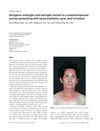 August 2009 in “International Journal of Dermatology”
 A postmenopausal woman's facial redness, acne, and excess hair were caused by too much hormone therapy for insomnia, but improved after stopping the treatment.
 14 citations
,
October 2020 in “Natural Products and Bioprospecting”
14 citations
,
October 2020 in “Natural Products and Bioprospecting” Various treatments, including FDA-approved drugs, natural products, and oral supplements, can help with hair loss, but a patient's medical history and potential allergies should be considered when choosing a treatment.