 1 citations
,
February 2004
1 citations
,
February 2004 Skin diseases are common and can significantly affect people's lives; better outcome measures and ethical clinical trials are needed to improve dermatology care.
 140 citations
,
January 2009 in “JEADV. Journal of the European Academy of Dermatology and Venereology/Journal of the European Academy of Dermatology and Venereology”
140 citations
,
January 2009 in “JEADV. Journal of the European Academy of Dermatology and Venereology/Journal of the European Academy of Dermatology and Venereology” Liposomes improve drug delivery and reduce skin irritation in dermatology.
 129 citations
,
October 2007 in “The New England Journal of Medicine”
129 citations
,
October 2007 in “The New England Journal of Medicine” Over one-third of women experience hair loss, with female-pattern hair loss being most common, and treatments include minoxidil and possibly hair transplantation.
 105 citations
,
January 2010 in “Mediators of Inflammation”
105 citations
,
January 2010 in “Mediators of Inflammation” Skin surface lipids are important for skin health and altering them could help prevent aging and treat skin conditions.
 99 citations
,
July 2017 in “Clinical Reviews in Allergy & Immunology”
99 citations
,
July 2017 in “Clinical Reviews in Allergy & Immunology” New treatments for Alopecia Areata show promise but need to be more effective and affordable.
 98 citations
,
May 2008 in “British Journal of Dermatology”
98 citations
,
May 2008 in “British Journal of Dermatology” There are many treatments for permanent hair loss disorders, but their effectiveness varies and there's no clear best option.
 89 citations
,
October 1996 in “Dermatologic Clinics”
89 citations
,
October 1996 in “Dermatologic Clinics” Alopecia areata is likely caused by a combination of genetic factors and immune system dysfunction, and may represent different diseases with various causes.
 80 citations
,
September 1984 in “Journal of The American Academy of Dermatology”
80 citations
,
September 1984 in “Journal of The American Academy of Dermatology” 5% minoxidil helps hair regrowth in androgenic alopecia.
 72 citations
,
January 2001 in “Drugs”
72 citations
,
January 2001 in “Drugs” Minoxidil and finasteride treat hair loss; more research needed for other options.
 47 citations
,
March 2016 in “Journal of dermatology”
47 citations
,
March 2016 in “Journal of dermatology” Understanding the genetics of rare inherited ichthyosis syndromes is key for better treatments and genetic counseling.
 47 citations
,
June 2014 in “Journal of Dermatological Treatment”
47 citations
,
June 2014 in “Journal of Dermatological Treatment” Most treatments for lichen planopilaris were found to be generally unsatisfactory.
 36 citations
,
May 2011 in “Dermatologic therapy”
36 citations
,
May 2011 in “Dermatologic therapy” No treatments fully cure or prevent alopecia areata; some help but have side effects or need more research.
 31 citations
,
January 1981 in “Pharmacology & Therapeutics”
31 citations
,
January 1981 in “Pharmacology & Therapeutics” Oral retinoids are effective for treating severe skin disorders but have reversible side effects and risks for pregnant women.
 26 citations
,
October 2017 in “Clinical Reviews in Allergy & Immunology”
26 citations
,
October 2017 in “Clinical Reviews in Allergy & Immunology” Autoimmune liver diseases are likely linked to certain skin conditions like vitiligo and psoriasis.
 23 citations
,
September 2014 in “JEADV. Journal of the European Academy of Dermatology and Venereology/Journal of the European Academy of Dermatology and Venereology”
23 citations
,
September 2014 in “JEADV. Journal of the European Academy of Dermatology and Venereology/Journal of the European Academy of Dermatology and Venereology” Laser treatments are the most effective for porokeratotic adnexal ostial nevus.
 23 citations
,
March 2001 in “Clinics in dermatology”
23 citations
,
March 2001 in “Clinics in dermatology” Alopecia areata involves immune response and gene changes affecting hair loss.
 22 citations
,
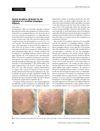
September 2004 in “Journal of The European Academy of Dermatology and Venereology”
22 citations
,
September 2004 in “Journal of The European Academy of Dermatology and Venereology” Bimatoprost can cause longer, thicker, darker eyelashes and eyebrows.
 21 citations
,
February 2012 in “Journal of the European Academy of Dermatology and Venereology”
21 citations
,
February 2012 in “Journal of the European Academy of Dermatology and Venereology” Late-onset alopecia areata in Taiwanese patients is more common in women, usually starts at age 57, often involves less than 10% hair loss, and may have a minimal link to thyroid issues.
 21 citations
,
January 2012 in “Biological and Pharmaceutical Bulletin”
21 citations
,
January 2012 in “Biological and Pharmaceutical Bulletin” Liposomes and iontophoresis effectively deliver protective enzymes into the skin against UV damage.
 19 citations
,
July 2007 in “Dermatologic clinics”
19 citations
,
July 2007 in “Dermatologic clinics” Tailor treatments for vitiligo to patient needs for best results.
 18 citations
,
January 2014 in “Postępy Dermatologii i Alergologii”
18 citations
,
January 2014 in “Postępy Dermatologii i Alergologii” Personalized treatment plans are important for people with alopecia areata.
 15 citations
,
May 2021 in “British journal of dermatology/British journal of dermatology, Supplement”
15 citations
,
May 2021 in “British journal of dermatology/British journal of dermatology, Supplement” Cell therapy shows promise for treating severe psoriasis but needs more research to confirm safety and effectiveness.
 14 citations
,
December 2010 in “Dermatologica Sinica”
14 citations
,
December 2010 in “Dermatologica Sinica” New treatments for hair loss show promise, but more development is needed, especially for tough cases.
 14 citations
,
September 2009 in “International Journal of Dermatology”
14 citations
,
September 2009 in “International Journal of Dermatology” DCPA is a chronic leg infection often related to Staphylococcus aureus, affecting mostly young men in India.
 10 citations
,
January 2010 in “Acta dermato-venereologica”
10 citations
,
January 2010 in “Acta dermato-venereologica” Light therapy can effectively treat vitiligo and hair loss caused by a specific medication.
 10 citations
,
March 1990 in “The Journal of Dermatology”
10 citations
,
March 1990 in “The Journal of Dermatology” Long-term etretinate use may cause delayed wound healing and extra tissue growth after injury.
 9 citations
,
October 2019 in “Dermatologic Therapy”
9 citations
,
October 2019 in “Dermatologic Therapy” Oral tofacitinib has a moderate success rate and is generally safe for treating hair loss in some patients.
 6 citations
,
November 2017 in “Dermatologic Therapy”
6 citations
,
November 2017 in “Dermatologic Therapy” Combining mometasone furoate cream with adapalene gel is safer and more effective for hair regrowth in alopecia areata than using the cream alone.
 3 citations
,
November 2009 in “BMC dermatology”
3 citations
,
November 2009 in “BMC dermatology” Dermatologists' treatment of alopecia areata is inconsistent, especially for children and advanced stages.
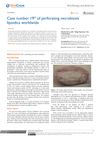 2 citations
,
January 2018
2 citations
,
January 2018 The document reports the 19th global case of a rare skin condition in a patient from Colombia.