 38 citations
,
January 2016 in “Cell Death and Disease”
38 citations
,
January 2016 in “Cell Death and Disease” The TCL1 transgenic mouse model is useful for understanding human B-cell leukemia and testing new treatments.
 60 citations
,
September 2015 in “Expert Review of Clinical Immunology”
60 citations
,
September 2015 in “Expert Review of Clinical Immunology” Lymphocytes, especially CD8+ T cells, play a key role in causing alopecia areata, and targeting them may lead to new treatments.
 6 citations
,
July 2009 in “Veterinary dermatology”
6 citations
,
July 2009 in “Veterinary dermatology” Vesiculobullous lesions should be considered part of canine cutaneous epitheliotropic T-cell lymphoma.
 October 2023 in “bioRxiv (Cold Spring Harbor Laboratory)”
 Early regulatory T cells are crucial for normal skin pigmentation.
24 citations
,
March 2022 in “Stem Cell Research & Therapy” Dendritic epidermal T cells help wounds heal faster by boosting skin stem cell growth.
1 citations
,
April 2016 in “Journal of Investigative Dermatology” Targeting specific T cells may help treat alopecia areata.
 January 2007 in “Elsevier eBooks”
 Alopecia areata is a reversible, autoimmune-related hair loss that can have significant emotional impact and uncertain treatment effectiveness.
 August 2016 in “Journal of Investigative Dermatology”
 Blocking the CCR5 receptor may be a new way to treat hair loss from alopecia areata.
 47 citations
,
March 2019 in “Journal of immunology research”
47 citations
,
March 2019 in “Journal of immunology research” Valproic Acid could potentially be used to treat immune-related conditions due to its ability to modify immune cell functions.
 34 citations
,
October 2011 in “Pathology Research International”
34 citations
,
October 2011 in “Pathology Research International” Behçet's Disease may be caused by genetic and environmental factors leading to abnormal immune responses, and stress management and new treatments could improve patient outcomes.
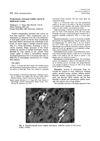 5 citations
,
September 1989 in “Journal of The American Academy of Dermatology”
5 citations
,
September 1989 in “Journal of The American Academy of Dermatology” Talc in street cocaine can cause immune-reactive skin nodules where injected.
 69 citations
,
September 2006 in “Human Reproduction”
69 citations
,
September 2006 in “Human Reproduction” Women with PCOS have fewer activated T cells in their ovarian follicles, which might affect fertility.
 66 citations
,
May 2021 in “Science Advances”
66 citations
,
May 2021 in “Science Advances” Different scaffold patterns improve wound healing and immune response in mouse skin, with aligned patterns being particularly effective.
 34 citations
,
October 2017 in “Archivos Argentinos De Pediatria”
34 citations
,
October 2017 in “Archivos Argentinos De Pediatria” Alopecia Areata is a complex, unpredictable autoimmune hair loss condition with limited treatment options and a significant psychological impact.
33 citations
,
October 2006 in “European Journal of Immunology” The CD44-CD49d complex boosts T cell activation and survival in autoimmune disease.
 24 citations
,
January 2008 in “KARGER eBooks”
24 citations
,
January 2008 in “KARGER eBooks” The document concludes that ongoing research using animal models is crucial for better understanding and treating Alopecia Areata.
 July 2024 in “Romanian Journal of Veterinary Sciences”
 Cyclosporine improved skin condition in dogs with sebaceous adenitis.
 306 citations
,
April 2019 in “International Journal of Molecular Sciences”
306 citations
,
April 2019 in “International Journal of Molecular Sciences” The skin has a complex immune system that is essential for protection and healing, requiring more research for better wound treatment.
 90 citations
,
July 2008 in “Dermatologic therapy”
90 citations
,
July 2008 in “Dermatologic therapy” Lichen planopilaris is a chronic, scarring hair loss condition with no definitive cure, requiring accurate diagnosis and treatment to manage symptoms.
 49 citations
,
April 2000 in “Journal of The American Academy of Dermatology”
49 citations
,
April 2000 in “Journal of The American Academy of Dermatology” Despite progress in treatment, the exact cause of Alopecia areata is still unknown.
25 citations
,
November 2020 in “Cell Reports Medicine” Developing human skin has immune cells with memory-like features.
 16 citations
,
April 2007 in “Journal of Medical Primatology”
16 citations
,
April 2007 in “Journal of Medical Primatology” The monkey's hair loss was due to an autoimmune disease, not genetics.
 14 citations
,
January 2005 in “Pediatric Dermatology”
14 citations
,
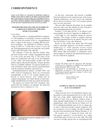
January 2005 in “Pediatric Dermatology” UVA1-light therapy successfully treated a child's skin condition, mycosis fungoides.
 November 1998 in “Journal of The European Academy of Dermatology and Venereology”
 A man's skin cancer improved and some of his hair grew back after treatment with a special light therapy and a medication.
 17 citations
,
July 1994 in “Journal of Dermatological Science”
17 citations
,
July 1994 in “Journal of Dermatological Science” The cause of alopecia areata is likely a mix of genetics, immune system issues, and environmental factors, with more research needed to understand it fully.
286 citations
,
August 2007 in “Journal of Clinical Investigation” Alopecia areata is an autoimmune disease where T cells attack hair follicles.
 9 citations
,
April 2021 in “Frontiers in Immunology”
9 citations
,
April 2021 in “Frontiers in Immunology” Unconventional lymphocytes are important for quick immune responses and healing of skin and mucosal barriers.
 2 citations
,
September 2022 in “Frontiers in Immunology”
2 citations
,
September 2022 in “Frontiers in Immunology” T-regulatory cells are important for skin health and can affect hair growth and reduce skin inflammation.
 61 citations
,
September 2010 in “Genomics”
61 citations
,
September 2010 in “Genomics” The study found that immune responses disrupt hair growth cycles, causing hair loss in alopecia areata.
 41 citations
,
February 2001 in “Current pharmaceutical design”
41 citations
,
February 2001 in “Current pharmaceutical design” Current and future treatments for alopecia areata focus on immunosuppression, immunomodulation, and protecting hair follicles.