 5 citations
,
July 1991 in “Irish Journal of Medical Science (1971 -)”
5 citations
,
July 1991 in “Irish Journal of Medical Science (1971 -)” Immunosuppressive therapy helps manage autoimmune diseases but carries risks like infection and potential for malignancy.
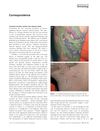 June 2011 in “International Journal of Dermatology”
 A man's red tattoo caused a skin reaction and hair loss in his beard, which improved after treatment.
1 citations
,
January 2025 in “Genes & Diseases” Understanding T cells and signaling pathways can lead to better treatments for hair loss.
 40 citations
,
March 2019 in “Nature Communications”
40 citations
,
March 2019 in “Nature Communications” CRAC channels are crucial for the development and function of specialized immune cells, preventing severe inflammation and autoimmune diseases.
 May 2023 in “Frontiers in Immunology”
 Treg cell-based therapies might help treat hair loss from alopecia areata, but more research is needed to confirm safety and effectiveness.
 291 citations
,
January 2014 in “The Scientific World Journal”
291 citations
,
January 2014 in “The Scientific World Journal” Lichen Planus is a less common condition affecting skin and mucous membranes, with various types and associated risk factors, challenging to diagnose, significantly impacts life quality, and may have a risk of cancerous changes in oral lesions.
 30 citations
,
May 2016 in “Expert Opinion on Biological Therapy”
30 citations
,
May 2016 in “Expert Opinion on Biological Therapy” New treatments targeting immune pathways show promise for severe hair loss but need more research for safety and effectiveness.
 23 citations
,
June 2003 in “Journal of Investigative Dermatology Symposium Proceedings”
23 citations
,
June 2003 in “Journal of Investigative Dermatology Symposium Proceedings” Alopecia Areata is an autoimmune disease affecting hair follicles, influenced by genetic and environmental factors, with rodent models being essential for research.
 4 citations
,
November 2023 in “Frontiers in immunology”
4 citations
,
November 2023 in “Frontiers in immunology” New treatments targeting T-cell pathways are needed for better alopecia areata management.
 122 citations
,
November 1984 in “Journal of the American Academy of Dermatology”
122 citations
,
November 1984 in “Journal of the American Academy of Dermatology” No single treatment is consistently effective for alopecia areata, and more research is needed.
 22 citations
,
April 1998 in “Dermatologic Clinics”
22 citations
,
April 1998 in “Dermatologic Clinics” Interferons are effective for some skin conditions and cancers, but can have side effects and need more research for optimal use.
 150 citations
,
October 2010 in “The American Journal of Pathology”
150 citations
,
October 2010 in “The American Journal of Pathology” The document concludes that more research is needed to better understand and treat primary cicatricial alopecias, and suggests a possible reclassification based on molecular pathways.
 23 citations
,
April 2021 in “Journal of Clinical Medicine”
23 citations
,
April 2021 in “Journal of Clinical Medicine” Frontal Fibrosing Alopecia's cause is unclear, affects mainly postmenopausal women, and current treatments focus on stopping hair loss rather than regrowth.
45 citations
,
June 2018 in “Frontiers in immunology” MDSC-Exo can treat autoimmune alopecia areata and promote hair regrowth in mice.
 48 citations
,
January 2024 in “Immune Network”
48 citations
,
January 2024 in “Immune Network” IL-15 is key for T cell function and could help improve treatments for immune-related diseases.
20 citations
,
December 2020 in “Frontiers in Immunology” The immune processes causing VKH and vitiligo are similar in dogs and humans.
71 citations
,
May 2024 in “New England Journal of Medicine” Ruxolitinib may effectively treat APS-1 by reducing harmful immune responses.
11 citations
,
June 2017 in “Mathematical Medicine and Biology A Journal of the IMA” The model helps understand and improve treatments for alopecia areata by simulating hair growth and immune cell interactions.
March 2026 in “Skin Appendage Disorders” Belatacept may be a promising treatment for alopecia areata.
 May 2025 in “Journal of Inflammation Research”
 Natural killer and CD8+ T cells play a key role in hair loss in androgenetic alopecia.
15 citations
,
June 2015 in “F1000Research” Psoriasis may be chronic because it lacks certain immune system controls that prevent overreaction.
 67 citations
,
January 2020 in “Cellular & Molecular Immunology/Cellular & molecular immunology”
67 citations
,
January 2020 in “Cellular & Molecular Immunology/Cellular & molecular immunology” Tissue-resident memory T cells can protect against infections and cancer but may also contribute to autoimmune diseases.
 120 citations
,
February 2009 in “Apoptosis”
120 citations
,
February 2009 in “Apoptosis” Understanding how cells die in the skin is important for treating skin diseases and preventing hair loss.
October 2024 in “Frontiers in Immunology” Pertussis toxin may contribute to hair loss in alopecia areata.
 May 2022 in “Liver transplantation”
 The document explains how the immune system reacts to organ transplants and the treatments used to prevent rejection.
35 citations
,
March 2010 in “Journal of Dermatological Science” Ebastine may help regrow hair in alopecia areata patients.
 January 2023 in “Karger Kompass. Dermatologie”
 Scientists are still unsure what triggers the immune system to attack hair follicles in Alopecia areata.
20 citations
,
February 2004 in “Clinical & Experimental Immunology” SADBE treatment led to complete hair regrowth in mice with alopecia areata by altering immune cell movement.
46 citations
,
November 2022 in “The Journal of Dermatology” Bullous pemphigoid is influenced by genetic factors, immune cell dysfunction, aging, and triggers, with treatment often improving symptoms.
 3 citations
,
January 2023 in “Skin appendage disorders”
3 citations
,
January 2023 in “Skin appendage disorders” Some people with a history of autoimmune hair loss experienced worsening symptoms after COVID-19 vaccination.