Icosapent ethyl may help treat long-lasting symptoms after COVID-19.
 October 2012 in “Humana Press eBooks”
 Grape seed extract is good for skin care, with antioxidant, anti-inflammatory, and anti-cancer effects.
 12 citations
,
June 2005 in “Journal of the European Academy of Dermatology and Venereology”
12 citations
,
June 2005 in “Journal of the European Academy of Dermatology and Venereology” A man with HIV developed skin and hair issues after starting HIV treatment, which improved with topical treatment.
research ACNE
58 citations
,
January 1997 in “Dermatologic Clinics” Acne significantly affects mental health and quality of life, with research suggesting hormonal and genetic factors in its development and emphasizing early treatment to prevent scarring.
321 citations
,
January 2012 in “Cell stem cell” TGF-β2 helps activate hair follicle stem cells by counteracting BMP signals.
 59 citations
,
September 2008 in “Journal of Burn Care & Research”
59 citations
,
September 2008 in “Journal of Burn Care & Research” Nitric oxide gel helps heal skin burns faster by improving skin growth, hair regrowth, and blood vessel formation.
 April 2018 in “Journal of Investigative Dermatology”
 IL-9 increases skin cell movement but decreases their ability to invade, and this effect is controlled by cell contractility, not by MMPs.
2 citations
,
June 2023 in “PeerJ” Chronic inflammation can cause cancer by making stem cells divide and mutate.
 113 citations
,
June 2015 in “Stem Cell Research & Therapy”
113 citations
,
June 2015 in “Stem Cell Research & Therapy” Wnt and Notch signaling help wound healing by promoting cell growth and regulating cell differentiation.
 33 citations
,
April 2020 in “Journal of Clinical Investigation”
33 citations
,
April 2020 in “Journal of Clinical Investigation” Stress in hair follicle stem cells causes inflammation in a chronic skin condition through a specific immune response pathway.
7 citations
,
March 2022 in “International Journal of Molecular Sciences” FGF21 can help reduce skin inflammation caused by C. acnes.
 January 2026 in “Frontiers in Pharmacology”
 Sanhuang Fukang oil helps heal radiation skin injuries by reducing inflammation and cell death.
 3 citations
,
January 2011 in “Annals of Dermatology”
3 citations
,
January 2011 in “Annals of Dermatology” Blocking EGFR in skin cells doesn't majorly increase inflammation markers.
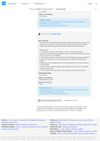
The reviewers suggest clarifying the abstract, adding background on inflammation's effect on stem cells and cancer, discussing immune cells' role in tumors, and considering inflammation's potential to reduce cancer growth.
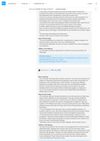
The reviewers suggest clarifying and expanding on the role of inflammation in stem cell-related cancer development.
The revised study on how inflammation affects cancer stem cells was accepted after improving clarity and structure.

The revised manuscript on how inflammation affects cancer stem cells was accepted after addressing issues with clarity and detail.

The reviewers suggest major revisions for clarity and inclusion of recent findings on inflammation's role in cancer.

Reviewers suggest clarifying the abstract, adding background on inflammation's effect on cancer, discussing immune cell roles, including counter studies, and correcting grammar.
The reviewers found the manuscript on inflammation's role in cancer stem cells to be relevant but suggested it needs clarity, more background information, discussion on immune cells' role in tumors, updated references, and grammar corrections.
4 citations
,
August 2024 in “Journal of Clinical Medicine” COVID-19 mRNA vaccines may increase the risk of flare-ups in certain inflammatory diseases.
 45 citations
,
September 2012 in “Life Sciences”
45 citations
,
September 2012 in “Life Sciences” Aconiti Ciliare Tuber extract may help hair grow by activating a specific cell signaling pathway.
2 citations
,
January 2022 in “Oxidative Medicine and Cellular Longevity” Exosomes from dermal papilla cells help hair follicle stem cells grow and survive.
86 citations
,
November 2015 in “Journal of Gastroenterology” The NUDT15 R139C variant causes thiopurine-induced leukocytopenia through a different mechanism than previously thought in Japanese patients with inflammatory bowel disease.
 1 citations
,
July 2024 in “International Journal of Biological Research”
1 citations
,
July 2024 in “International Journal of Biological Research” Parental socioeconomic status doesn't improve dietary habits or reduce disease severity in children with sickle cell disease.
 August 2016 in “Journal of Dermatology”
 A chemical called 5-Bromo-2′-deoxyuridine caused rapid hair loss in mice by killing certain skin cells through a specific cell death pathway.
December 2025 in “Experimental Dermatology” Improving blood vessel health and controlling uric acid may help manage alopecia areata.
26 citations
,
September 2023 in “Journal of Allergy and Clinical Immunology” Regulatory T cells help prevent autoimmunity and have potential for treating autoimmune diseases.
April 2021 in “Journal of Investigative Dermatology” Arg1+ macrophages may play a role in causing alopecia areata.
July 2025 in “Journal of Investigative Dermatology” Acne involves increased lipid production and inflammation, affecting skin cell behavior and treatment resistance.