3 citations
,
March 2024 in “Journal of Dermatological Treatment” Baricitinib can lead to hair regrowth in alopecia areata but may also cause relapses.
 October 2024 in “Journal of the Endocrine Society”
 A woman experienced fluctuating thyroid conditions and eye disease, but her symptoms improved with treatment.
Hepatitis B vaccination can trigger HSP, and vitamin D correction and tonsillectomy can effectively manage it.
8 citations
,
August 2016 in “Journal of the European Academy of Dermatology and Venereology” Oral tacrolimus helped a rheumatoid arthritis patient regrow hair lost due to alopecia areata.
20 citations
,
August 2008 in “Journal of Medical Case Reports” Ondansetron can cause serious allergic reactions, so use it carefully.
 December 2025 in “Zenodo (CERN European Organization for Nuclear Research)”
 Current drug safety systems fail to detect long-term side effects, needing improvements to protect health and trust.
1 citations
,
January 2022 in “Open Journal of Endocrine and Metabolic Diseases” The woman was misdiagnosed with Graves Disease, leading to incorrect treatment, while she actually had Pituitary Resistance to Thyroid Hormone.
10 citations
,
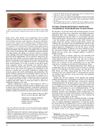
May 2020 in “Dermatologic therapy” Tildrakizumab significantly improved recalcitrant lichen planopilaris and frontal fibrosing alopecia.
 16 citations
,
August 2011 in “Annals of Allergy Asthma & Immunology”
16 citations
,
August 2011 in “Annals of Allergy Asthma & Immunology” A woman with severe angioedema improved significantly after treatment with rituximab.
November 2025 in “The Journal of Immunology” A humanized IL-2 fusion protein boosts T regulatory cells and helps control hair loss in Alopecia Areata.
 July 2022 in “International Journal of Trichology”
 Tofacitinib helped an 8-year-old child recover from a type of hair loss that is hard to treat.
A drug helped quickly reduce a movement disorder, experts debated the severity of Raynaud phenomenon, and rapid weight loss was linked to temporary hair loss with good recovery.
 1 citations
,
May 2017 in “Journal of the American Academy of Dermatology”
1 citations
,
May 2017 in “Journal of the American Academy of Dermatology” Oral tofacitinib may be an effective and tolerable treatment for some people with severe alopecia areata.
1 citations
,
July 2024 in “Journal of Investigative Dermatology” Plaquenil can cause a severe skin reaction called AGEP, requiring prompt diagnosis and treatment.
 12 citations
,
September 2002 in “Epilepsia”
12 citations
,
September 2002 in “Epilepsia” Monitoring new epilepsy drugs after they're sold is crucial to find rare and long-term side effects that initial tests might miss.
 June 2021 in “Working paper of public health”
 Six months after COVID-19, most patients still had autoantibodies.
80 citations
,
January 1995 in “The Nephron journals/Nephron journals” The treatment was effective for lupus nephritis with manageable side effects.
February 2018 in “Biophysical Journal” Cyclosporine A slowly changes cell membranes, explaining some of its effects and side effects.
January 2007 in “Frontiers in Medicine” Tofacitinib works well for treating alopecia areata, especially when combined with corticosteroids, but is less effective if the disease has lasted over 2 years.
 12 citations
,
November 1996 in “Australasian journal of dermatology”
12 citations
,
November 1996 in “Australasian journal of dermatology” A kidney transplant patient on cyclosporin experienced unexpected severe hair loss, which improved with treatment adjustments.
 March 2017 in “Fundamental & Clinical Pharmacology”
 The model and estimator can predict drug exposure in kidney transplant patients well.
53 citations
,
December 2012 in “Revista da Sociedade Brasileira de Medicina Tropical” Dengue symptoms and liver issues can persist for over two months, especially in men.
 October 2021 in “Dermatology Reports”
 Tofacitinib, a hair regrowth treatment, may worsen acne.
8 citations
,
August 2018 in “BMJ Case Reports” Pazopanib treatment caused rapid hair color loss, possibly indicating its effectiveness.
 2 citations
,
January 2019 in “Annals of dermatology/Annals of Dermatology”
2 citations
,
January 2019 in “Annals of dermatology/Annals of Dermatology” A patient experienced permanent hair loss due to an allergic reaction to a corticosteroid injection.
17 citations
,
November 2009 in “Dermato-endocrinology” Medium-dose prednisolone pulse therapy is effective and safe for multifocal alopecia areata but not for more severe forms.
37 citations
,
September 2009 in “JEADV. Journal of the European Academy of Dermatology and Venereology/Journal of the European Academy of Dermatology and Venereology” Diphencyprone (DPC) is an effective and safe long-term treatment for alopecia areata, especially with maintenance therapy.
 May 2024 in “Journal of cosmetic dermatology”
 Tofacitinib is an effective and safe treatment for alopecia areata.
January 2011 in “Repository KITopen (Karlsruhe Institute of Technology)” Blocking certain proteins on immune cells may help treat alopecia areata.
 67 citations
,
January 2020 in “Cellular & Molecular Immunology/Cellular & molecular immunology”
67 citations
,
January 2020 in “Cellular & Molecular Immunology/Cellular & molecular immunology” Tissue-resident memory T cells can protect against infections and cancer but may also contribute to autoimmune diseases.