71 citations
,
May 2019 in “Rheumatology” Tph cells are linked to the severity of systemic lupus erythematosus.
 2 citations
,
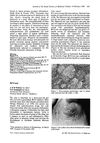
February 1981 in “Journal of the Royal Society of Medicine”
2 citations
,
February 1981 in “Journal of the Royal Society of Medicine” A three-year-old girl survived a rare serious infection caused by BCG vaccination, which improved after treatment with a leprosy drug.
8 citations
,
July 2024 in “European journal of medical research” Alopecia areata after COVID-19 vaccination is rare but important to recognize for timely treatment.
39 citations
,
January 2008 in “World Journal of Gastroenterology” Pegylated interferon-alpha 2a can cause a rare nerve disorder, but early treatment can lead to full recovery.
97 citations
,
January 2006 in “Dermatology” imTA and pulse therapy are effective for alopecia areata with manageable side effects, but relapse rates need improvement.
 January 2024 in “Clinical and Experimental Vaccine Research”
 Rabies vaccine might cause hair loss due to immune issues.
November 2024 in “Journal of Investigative Dermatology” Tildrakizumab significantly improved psoriasis symptoms and well-being over 52 weeks.
May 2025 in “Nonlinear Analysis Real World Applications” Reducing CD8+ T cell growth can stabilize alopecia areata.
 9 citations
,
May 2021 in “International Journal of Dermatology”
9 citations
,
May 2021 in “International Journal of Dermatology” The trial showed that a new under-the-tongue treatment for severe hair loss was somewhat effective in a small group of people.
1 citations
,
April 2015 in “International Journal of Pediatrics and Adolescent Medicine” Cyclosporine-A can cause excessive hair growth, which usually stops after discontinuing the drug.
 2 citations
,
September 2022 in “Dermatologic Therapy”
2 citations
,
September 2022 in “Dermatologic Therapy” Tofacitinib is a promising treatment for severe alopecia areata, with many patients experiencing complete or partial hair regrowth.
1 citations
,
November 2018 in “immuneACCESS” Expanded CD8+ T cells are linked to Alopecia Areata and may cause relapse after treatment.
 130 citations
,
October 2006 in “Allergy”
130 citations
,
October 2006 in “Allergy” Allergic reactions to blood thinners are rare but can be serious, requiring careful testing and alternative treatments.
 January 2025 in “SKIN The Journal of Cutaneous Medicine”
 Some patients on Baricitinib for alopecia areata lost response, often linked to longer and more severe initial conditions.
 October 2025 in “International Journal of Risk & Safety in Medicine”
 Oral tofacitinib successfully treated a girl's severe skin and hair conditions.
2 citations
,
January 2015  April 2023 in “Journal of Investigative Dermatology”
 Booster shots of mRNA vaccines for COVID-19 increased protective antibodies without worsening autoimmune skin conditions in patients.
March 2025 in “European Journal of Medical Genetics” Tofacitinib helped improve symptoms and hair growth in a patient with Aicardi-Goutières syndrome.
21 citations
,
December 2005 in “The journal of investigative dermatology/Journal of investigative dermatology” T-cells in alopecia areata scalp show abnormal regulation, leading to less inflammation.
12 citations
,
January 2017 in “PubMed” Gastroparesis can cause persistent TSH elevation in hypothyroidism despite treatment.
1 citations
,
August 2025 in “Australasian Journal of Dermatology” Anti-TNF therapy can cause a rare hair loss condition similar to alopecia areata.
 5 citations
,
February 2024 in “Clinical Pharmacokinetics”
5 citations
,
February 2024 in “Clinical Pharmacokinetics” A 50 mg daily dose of ritlecitinib is effective for alopecia areata, with temporary treatment breaks up to 6 weeks not affecting results.
November 2025 in “Journal of Investigative Dermatology” Chronic refractory alopecia areata has more skin-resident memory T cells, and JAK inhibitors may help reduce them.
 155 citations
,
May 2016 in “Nature communications”
155 citations
,
May 2016 in “Nature communications” Memory T cells in the skin balance staying put and moving into the blood, clustering around hair follicles, and increasing in number after infection.
 4 citations
,
May 2021 in “medRxiv (Cold Spring Harbor Laboratory)”
4 citations
,
May 2021 in “medRxiv (Cold Spring Harbor Laboratory)” Long-lasting COVID-19 symptoms like fatigue and breathing difficulties can persist for over 60 days, requiring ongoing care.
April 2023 in “Journal of Investigative Dermatology” Increased TEMRA cells can predict treatment outcomes in rapidly progressive alopecia areata.
 8 citations
,
January 2018 in “Journal of the American Academy of Dermatology”
8 citations
,
January 2018 in “Journal of the American Academy of Dermatology” Diphenylcyclopropenone treatment helps prevent hair loss relapse in alopecia areata patients.
 September 2024 in “Skin Appendage Disorders”
 Tofacitinib helped a woman regrow her hair without relapses after other treatments failed.

Tofacitinib significantly improved symptoms in a patient with overlapping autoimmune disorders.
 1 citations
,
January 2023 in “Research Square (Research Square)”
1 citations
,
January 2023 in “Research Square (Research Square)” A woman's vitiligo improved with tofacitinib treatment, and her skin color remained even after stopping the medication, but there are concerns about cancer risk.