84 citations
,
August 1991 in “British Journal of Dermatology” Most children treated with diphencyprone regrew some or all of their hair.
 1 citations
,
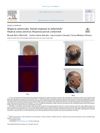
July 2019 in “Medicina Clínica (English Edition)”
1 citations
,
July 2019 in “Medicina Clínica (English Edition)” Tofacitinib partially improved hair regrowth in a patient with severe hair loss.
July 2025 in “Journal of Investigative Dermatology” Enhancing Tregs can protect against alopecia areata.
 November 2021 in “World Family Medicine Journal /Middle East Journal of Family Medicine”
 Third booster shots enhance the immune system's response to the COVID-19 virus.
January 2024 in “Dermatologic Therapy” Tofacitinib effectively reduces hair loss in children with alopecia areata but may cause mild side effects and relapses.
 November 2023 in “Indian Dermatology Online Journal”
 Tofacitinib was effective for severe, treatment-resistant hair loss without side effects.
 11 citations
,
October 2001 in “Dermatologic Clinics”
11 citations
,
October 2001 in “Dermatologic Clinics” The document concludes that DAB389-IL2 is promising for treating refractory cutaneous T-cell lymphoma, but more research is needed on its effectiveness and side effect management.
 4 citations
,
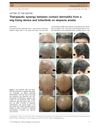
September 2018 in “The Journal of Dermatology”
4 citations
,
September 2018 in “The Journal of Dermatology” A man's hair regrew from alopecia areata after using tofacitinib and experiencing contact dermatitis from a wig device.
July 2023 in “Indian Journal of Endocrinology and Metabolism” An 11-year-old girl's hair regrew after treating her thyroid condition with carbimazole.
 13 citations
,
March 1986 in “Clinical Cardiology”
13 citations
,
March 1986 in “Clinical Cardiology” An adult with Kawasaki disease experienced temporary heart failure but recovered without lasting heart damage.
 March 2010 in “Anti-inflammatory & anti-allergy agents in medicinal chemistry”
 Biologic agents can be effective for rheumatic diseases but have risks like infections and require careful monitoring and patient information.
 April 2025 in “Frontiers in Immunology”
 Tofacitinib effectively regrows hair in alopecia areata but may need continuous use.
 February 2025 in “International Journal of STD & AIDS”
 Tofacitinib can cause unusual hair growth, requiring careful monitoring and possible laser hair removal.
 November 2022 in “Journal of Investigative Dermatology”
 The medicine Cyclosporin A might cause excessive hair growth by reducing a protein that controls hair growth.
 1 citations
,
May 2025 in “Frontiers in Medicine”
1 citations
,
May 2025 in “Frontiers in Medicine” Dual-targeted therapy is effective and safe for difficult-to-treat inflammatory bowel disease.
 November 2025 in “Mendeley Data”
 Standard dosing is more effective for severe alopecia areata in children, but unorthodox dosing can be safe and considered if needed.
 January 2024 in “Dermatologic therapy”
 Tofacitinib is a safe treatment for hair loss in children, but long-term use may be needed for best results.
 October 2024 in “International Journal of Research in Dermatology”
 Tofacitinib is a promising and safe treatment for moderate to severe alopecia areata.
 11 citations
,
February 2021 in “Journal of Cosmetic Dermatology”
11 citations
,
February 2021 in “Journal of Cosmetic Dermatology” Oral tofacitinib helped regrow hair in over half of the patients with severe alopecia, but relapses and side effects were common.
 May 2025 in “Journal of Pharmacy And Bioallied Sciences”
 Tofacitinib effectively promotes hair regrowth in children with alopecia areata, but more research on long-term safety is needed.
 3 citations
,
May 2023 in “International Journal of Molecular Sciences”
3 citations
,
May 2023 in “International Journal of Molecular Sciences” A new treatment using nanoparticles can effectively prevent and reduce hair loss caused by chemotherapy.
 4 citations
,
May 2018 in “Journal of Neuro-Ophthalmology”
4 citations
,
May 2018 in “Journal of Neuro-Ophthalmology” New treatments for relapsing multiple sclerosis are more effective and convenient but have higher risks of serious side effects.
 July 2024 in “Medical alphabet”
 JAK inhibitors like tofacitinib may effectively treat alopecia in children without major side effects.
 January 2023 in “Dermatologic therapy”
 Diphenylcyclopropenone topical immunotherapy is effective for treating alopecia areata, with some side effects.
 February 2023 in “Journal of Korean Medical Association”
 Targeted cancer therapies can cause new side effects, requiring careful monitoring and management to ensure patient safety.
 August 2018 in “Journal of the American Academy of Dermatology”
 Tofacitinib is a potential alternative treatment for alopecia totalis, especially in patients with a shorter duration of the condition and more preserved hair follicles, but the overall response rate is low.
7 citations
,
October 2008 in “Arthritis Care & Research” Aggressive immunosuppressive treatment improved a woman's severe heart condition linked to autoimmune disease.
 27 citations
,
May 2007 in “Archives of dermatological research”
27 citations
,
May 2007 in “Archives of dermatological research” Diphencyprone treatment increases CD8 lymphocytes in the scalp, which is associated with hair regrowth in alopecia areata patients.
 12 citations
,
December 2021 in “Frontiers in Medicine”
12 citations
,
December 2021 in “Frontiers in Medicine” Some patients on immunosuppressants had a weaker immune response to the Sinovac-CoronaVac COVID-19 vaccine.
 August 2023 in “The journal of investigative dermatology/Journal of investigative dermatology”
 Longer immunotherapy treatment may improve outcomes for Merkel cell carcinoma patients.