July 2024 in “Journal of Investigative Dermatology” Mechanical tension worsens keloid scars by activating inflammation and fibrosis pathways.
 1 citations
,
September 2005 in “Oncology times”
1 citations
,
September 2005 in “Oncology times” Wearing a frozen glove during chemotherapy can reduce nail and skin problems but may not be comfortable for everyone.
 May 2026 in “The Journal of Headache and Pain”
 Inhibiting certain brain neurons may reduce pain and anxiety in trigeminal neuralgia.
 January 2026 in “Indian Journal of Dermatopathology and Diagnostic Dermatology”
 Corkscrew hairs can help diagnose trichotillomania.
31 citations
,
March 2010 in “Molecular Endocrinology” Androgens like testosterone increase colon muscle contractions by affecting calcium pathways.
3 citations
,
January 1991 in “Toxicology in Vitro” Hair follicle cultures are effective for studying cell communication and testing chemicals.
13 citations
,
February 1995 in “Archives of Dermatological Research” Gamma/delta T cells help defend skin against heavy metals.
54 citations
,
March 1991 in “Proceedings of the National Academy of Sciences” This model can replace animal testing for quick, cost-effective skin toxicity tests.
 1 citations
,
May 2024 in “Advanced Functional Materials”
1 citations
,
May 2024 in “Advanced Functional Materials” The artificial skin promotes better wound healing and skin regeneration.
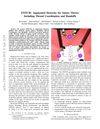 April 2024 in “arXiv (Cornell University)”
 STITCH improves suture accuracy and efficiency, especially with human help.
 11 citations
,
August 2016 in “Journal of dermatological treatment”
11 citations
,
August 2016 in “Journal of dermatological treatment” Tip cryotherapy effectively treats idiopathic guttate hypomelanosis with minimal side effects.
12 citations
,
June 2020 in “Sultan Qaboos University medical journal” TRPV4 channel affects skin health and could be a target for treating skin disorders.
 15 citations
,
March 1996 in “Journal of The American Academy of Dermatology”
15 citations
,
March 1996 in “Journal of The American Academy of Dermatology” The book "Practical Contact Dermatitis" is useful for dermatologists but could be more user-friendly.
January 2011 in “Repository KITopen (Karlsruhe Institute of Technology)” Blocking certain proteins on immune cells may help treat alopecia areata.
5 citations
,
April 2023 in “Bioengineering & Translational Medicine” STAR particles are safe, comfortable, and effective for enhancing drug delivery through the skin.
1 citations
,
October 2024 in “European Journal of Histochemistry” Telocytes in silky fowl embryos develop distinct features and connections by the 20th day of incubation.
88 citations
,
April 1981 in “Molecular and cellular biochemistry”  116 citations
,
August 2010 in “Nature”
116 citations
,
August 2010 in “Nature” Scientists turned rat thymus cells into stem cells that can help repair skin and hair.
January 2018 in “Refubium (Universitätsbibliothek der Freien Universität Berlin)” New nanocarriers were developed for safer, targeted drug delivery and diagnostics, showing promise for future medical use.
20 citations
,
January 2015 in “Biochimica and biophysica acta. Molecular and cell biology of lipids” Lysophosphatidic acid affects sensory neurons and may cause neuropathic pain and itch.
 17 citations
,
January 1996 in “Aesthetic Plastic Surgery”
17 citations
,
January 1996 in “Aesthetic Plastic Surgery” The tumescent technique improves hair micrografting by providing lasting anesthesia, reducing bleeding, and increasing patient comfort.
January 2012 in “Journal of Cosmetics Dermatological Sciences and Applications” Iontophoresis greatly improves skin absorption of certain substances, especially in hairy mice.
 September 2022 in “Dermatology and therapy”
 Contact immunotherapy might help treat various skin conditions, but more research is needed to confirm its safety and effectiveness.
8 citations
,
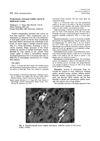
March 2009 in “Differentiation” Adult vibrissa follicle stem cells can regenerate hair follicles, glands, and skin.
 5 citations
,
September 1989 in “Journal of The American Academy of Dermatology”
5 citations
,
September 1989 in “Journal of The American Academy of Dermatology” Talc in street cocaine can cause immune-reactive skin nodules where injected.
Natural α-hydroxyl acids cause skin exfoliation by activating TRPV3 channels.
 October 2025 in “bioRxiv (Cold Spring Harbor Laboratory)”
 Root hair growth slows under force, confirming a model of cell wall mechanics.

Sensory neurons and Merkel cells remodel at different rates during normal skin maintenance.
 2 citations
,
July 2017 in “IEEE Photonics Journal”
2 citations
,
July 2017 in “IEEE Photonics Journal” The study found that combining SHG and OCT effectively monitors skin wound healing in mice.
ERK activation spreads between cells in mouse skin, linked to cell division and influenced by TPA and EGF receptors.