 April 2024 in “Clinical and experimental dermatology”
 Tofacitinib is effective for severe alopecia areata, similar to oral betamethasone.
July 2024 in “Journal of Investigative Dermatology” Squaric acid dibutylester helps hair growth by increasing certain immune cells in the skin.
 37 citations
,
October 2017 in “Clinical and Experimental Dermatology”
37 citations
,
October 2017 in “Clinical and Experimental Dermatology” Oral tofacitinib shows promise in treating atopic dermatitis and alopecia areata, but only slight improvement in vitiligo.
8 citations
,
October 1993 in “International Journal of Dermatology” The man's scalp infection was treated successfully, and his hair grew back.
July 2025 in “Materials Today Bio” TFC-loaded microneedles effectively promote hair regrowth in androgenetic alopecia.
A hair tonic with 7.5% daun talok and 2% daun pare promotes hair growth as effectively as minoxidil.
 April 2023 in “Journal of the American Academy of Dermatology”
 Switching between the medications tofacitinib and baricitinib can be effective for treating hair loss in alopecia areata.
 December 2025 in “Педиатрическая фармакология”
 Tofacitinib is more effective than traditional treatments for severe alopecia areata in children.
 May 2023 in “JAAD international”
 Minoxidil-dutasteride tattooing can potentially help regrow hair, especially in men who already have some thin hair.
 23 citations
,
September 2019 in “Journal of The American Academy of Dermatology”
23 citations
,
September 2019 in “Journal of The American Academy of Dermatology” Tofacitinib and oral minoxidil together effectively regrow hair in severe alopecia areata patients.
 6 citations
,
September 1995 in “The American Journal of Cosmetic Surgery”
6 citations
,
September 1995 in “The American Journal of Cosmetic Surgery” The new technique PÂTÉ improved the amount of scalp tissue removed in surgeries.
 2 citations
,
November 2017 in “Case Reports”
2 citations
,
November 2017 in “Case Reports” A baby boy's toe was saved from damage caused by hair strangulation by quick surgical treatment.
July 2026 in “Journal of Investigative Dermatology” Tanshinone Capsule may help regrow hair by boosting specific cell signals.
 May 2024 in “Journal of cosmetic dermatology”
 Tofacitinib is an effective and safe treatment for alopecia areata.
1 citations
,
July 2024 in “Journal of Investigative Dermatology” TAK-279 effectively reduces psoriasis symptoms and is safe.
2 citations
,
July 1994 in “Journal of Dermatological Science” Grafted human scalp samples on mice can produce human hair, useful for studying hair genetics.
 44 citations
,
October 2017 in “Journal of the American Academy of Dermatology”
44 citations
,
October 2017 in “Journal of the American Academy of Dermatology” Tofacitinib is effective and safe for treating severe hair loss in Korean patients.
99 citations
,
June 2005 in “Endocrinology” Applying thyroid hormone T3 speeds up wound healing in mice.
October 2020 in “Der Hautarzt” Tofacitinib helped regrow hair in a woman with alopecia areata.
 16 citations
,
January 2017 in “Acta dermatovenerologica Alpina, Pannonica et Adriatica (Tiskana izd.)”
16 citations
,
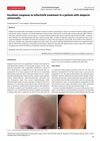
January 2017 in “Acta dermatovenerologica Alpina, Pannonica et Adriatica (Tiskana izd.)” A patient with complete hair loss regrew all her hair using tofacitinib.
 4 citations
,
June 2020 in “JAAD case reports”
4 citations
,
June 2020 in “JAAD case reports” Permanent hair dye may cause total hair loss.
25 citations
,
September 2005 in “Journal of the American Academy of Dermatology” Rapp-Hodgkin syndrome, AEC, and EEC are different expressions of the same genetic disorder caused by TP63 gene mutations.
 6 citations
,
July 1990 in “The Journal of Pediatrics”
6 citations
,
July 1990 in “The Journal of Pediatrics” A boy with toxic shock syndrome had severe heart rhythm problems but recovered with treatment.
September 2023 in “Journal of the American Academy of Dermatology”  June 2015 in “Reactions Weekly”
 A man developed alopecia areata after starting cancer treatment with vandetanib.
 8 citations
,
June 2016 in “Journal of Pediatric Orthopaedics B”
8 citations
,
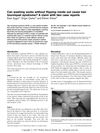
June 2016 in “Journal of Pediatric Orthopaedics B” Washing baby socks without flipping them inside out may increase the risk of Hair Tourniquet Syndrome.
62 citations
,
December 1941 in “Experimental biology and medicine” Eating phenylthiocarbamide made all the rats' hair go gray, but some returned to their original color after stopping.
10 citations
,
October 1981 in “Archives of Dermatology” The man's skin condition was finally identified as tinea incognito, a fungal infection.
3 citations
,
January 2021 in “Molecular genetics & genomic medicine” The study found two new mutations in a Chinese patient with severe biotinidase deficiency.
11 citations
,
April 1997 in “International Journal of Dermatology” Using tretinoin with triamcinolone acetonide helps treat alopecia areata.