 9 citations
,
April 2018 in “Journal of Dermatological Treatment”
9 citations
,
April 2018 in “Journal of Dermatological Treatment” Tofacitinib improves nail conditions in patients with severe hair loss and does not affect hair regrowth.
February 2026 in “International Journal of Dermatology” Ritlecitinib shows promise in improving hair regrowth in adolescents with alopecia areata.
 June 2023 in “Fundamental & clinical pharmacology”
 JAK inhibitors help treat some diseases but may increase risks of blood clots and cancer in certain patients.
1 citations
,
September 2023 in “Journal of the American Academy of Dermatology” Ritlecitinib effectively regrows and maintains scalp, eyebrow, and eyelash hair in alopecia areata patients.
December 2015 in “OPAL (Open@LaTrobe) (La Trobe University)” QLT0267 stops hair follicle cell growth and movement.
May 2024 in “Archives of Dermatological Research” TAT-GILZ peptide promotes hair growth by boosting stem cell activity.
 August 2020 in “Ugeskrift for Læger”
 A man with severe hair loss regrew all his hair using tofacitinib and stayed healthy for a year.
5 citations
,
May 2024 in “Journal of Allergy and Clinical Immunology Global” Upadacitinib effectively improved severe atopic dermatitis and alopecia universalis in a 29-year-old man.
 1 citations
,
May 2017 in “Journal of the American Academy of Dermatology”
1 citations
,
May 2017 in “Journal of the American Academy of Dermatology” Tofacitinib helped a teenager with severe hair loss grow hair back, but more research is needed.
Tofacitinib significantly regrows hair in severe alopecia without major side effects.
 17 citations
,
August 2015 in “Journal of steroid biochemistry and molecular biology/The Journal of steroid biochemistry and molecular biology”
17 citations
,
August 2015 in “Journal of steroid biochemistry and molecular biology/The Journal of steroid biochemistry and molecular biology” The study found that urine metabolites M1b or M4 are the best indicators of ATD use in horses, with detection possible up to 77 hours in urine and 28 hours in blood.
Hair regrowth improved, but quality of life did not.
 39 citations
,
April 2016 in “Case Reports in Dermatology”
39 citations
,
April 2016 in “Case Reports in Dermatology” Tofacitinib temporarily regrew hair in a man with alopecia, but its effects didn't last.
January 1975 in “NJEA Review” The drug showed promise in treating renal cell carcinoma with manageable side effects.
 June 2026 in “Journal of health economics and outcomes research”
 Ritlecitinib is more effective and cheaper than baricitinib for treating severe alopecia areata.
 8 citations
,
May 2017 in “Singapore Medical Journal”
8 citations
,
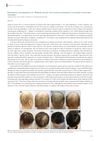
May 2017 in “Singapore Medical Journal” A Korean woman with complete hair loss regrew her hair after taking tofacitinib, with no side effects.
 11 citations
,
November 2019 in “Journal of the American Academy of Dermatology”
11 citations
,
November 2019 in “Journal of the American Academy of Dermatology” Oral tofacitinib is a promising treatment for beard hair loss in alopecia areata.
 November 2023 in “Journal of Cosmetic Dermatology”
 Tofacitinib is effective and has minor, reversible side effects for treating severe hair loss in Iran.
 December 2024 in “Clinical and Experimental Dermatology”
 Switching to ritlecitinib improves hair regrowth and well-being in severe alopecia areata patients.
6 citations
,
November 2020 in “JAAD Case Reports” Tofacitinib may help treat both alopecia areata and inflammatory bowel disease.
May 2024 in “International journal of medicine and psychology.” Ticagrelor works better than clopidogrel in reducing platelet activity in elderly patients with acute coronary syndrome.
 17 citations
,
January 2019 in “International journal of biological sciences”
17 citations
,
January 2019 in “International journal of biological sciences” Researchers used CRISPR/Cas9 to create a goat with a gene that increased cashmere production by 74.5% without affecting quality.
Keratinocytes can reduce the survival of certain melanoma cells, suggesting new therapy paths.
4 citations
,
July 2023 in “Frontiers in Microbiology” HGF combined with ADA is highly accurate for diagnosing tuberculous pleural effusion, especially in younger females.
 February 2026 in “Frontiers in Immunology”
 Ivarmacitinib significantly improved hair regrowth in severe alopecia areata after tofacitinib was less effective.
December 2025 in “Biomolecules” Compound 7p shows strong potential as an anticancer agent.
 March 2025 in “Indian Journal of Dermatology Venereology and Leprology”
 Tofacitinib is effective for treating alopecia totalis and universalis, with some patients experiencing significant hair regrowth.
2 citations
,
August 2020 in “CRC Press eBooks” Tabby mutations in mice affect hair follicle development and help study genetic mapping and certain medical conditions.
 January 2022 in “Research Square (Research Square)”
 High TSPEAR levels in colorectal cancer predict worse outcomes.
 15 citations
,
November 2023 in “Immunity & ageing”
15 citations
,
November 2023 in “Immunity & ageing” TLR4 is important in aging-related diseases and could be a new treatment target.