 February 2023 in “Journal of Korean Medical Association”
 Targeted cancer therapies can cause new side effects, requiring careful monitoring and management to ensure patient safety.
 November 2022 in “The journal of investigative dermatology/Journal of investigative dermatology”
 Targeted cancer therapies can cause skin side effects, but activating SOS in the skin may help reduce them.
November 2022 in “Journal of Investigative Dermatology” Targeting inflammation can improve scalp and hair health.
 July 2022 in “The journal of investigative dermatology/Journal of investigative dermatology”
 Targeting impaired Nrf2 signaling might help treat hidradenitis suppurativa early on.
 May 2022 in “Gastroenterology”
 Targeting NETs may help reduce fibrosis in Crohn's disease.
 June 2021 in “Research Square (Research Square)”
 Adverse events in lung cancer treatments increase fear, anxiety, and depression, with newer therapies causing fewer side effects.
 September 2019 in “Journal of Investigative Dermatology”
 Targeted therapy with Ustekinumab significantly improved a skin condition called ILVEN, which is caused by mutations in the CARD14 gene.
 December 2017 in “British Journal of Dermatology”
 Targeted therapy for skin cancer is complex due to the role of the hedgehog pathway in both cancer and hair growth.
Conditioned media from dental pulp stem cells effectively stimulates hair growth.
A woman developed folliculitis after taking acitretin for psoriasis, which was treated with skin dressing and antibiotics.
 May 2017 in “Journal of The American Academy of Dermatology”
 595 nm pulsed dye laser is a cost-effective treatment for nonmelanoma skin cancer with a low recurrence rate.
 April 2016 in “Journal of The American Academy of Dermatology”
 People with certain allergic conditions or higher white blood cell counts have more severe hair loss, and treating hair and nail side effects early in melanoma therapy can improve quality of life.
 April 2016 in “Actas Dermo-Sifiliográficas”
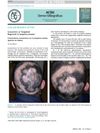
 The document concludes that a unique target-like hair regrowth pattern in alopecia areata may be more common than thought and should be properly identified.
January 2016 in “Munich Personal RePEc Archive (Ludwig Maximilian University of Munich)” A new method using gold nanoshells and infrared light effectively delivers siRNA to cancer and stem cells with precision and minimal damage.
 August 2013 in “Nature Reviews Drug Discovery”
 New treatments for cancer and skin disorders show promise in disrupting harmful cell interactions and promoting hair growth.
 March 2012 in “Journal of the American Academy of Dermatology”
 Treating ovarian-related inflammation may help hair regrowth in women with alopecia areata.
March 2012 in “Journal of Experimental Biology” Tarantulas don't produce silk from their feet.
January 2010 in “Journal of Animal Science” Transcutaneous vaccination using nanoparticles can enhance immune responses and reduce basal cell carcinomas.
September 2006 in “Experimental Dermatology” Targeting multiple pathways and understanding genetic mutations are crucial for effective melanoma therapy.
February 2023 in “Singapore Medical Journal” Men with androgenetic alopecia have unique metabolomic patterns that could help develop targeted treatments.
 316 citations
,
June 2004 in “The journal of investigative dermatology/Journal of investigative dermatology”
316 citations
,
June 2004 in “The journal of investigative dermatology/Journal of investigative dermatology” Microspheres about 1.5 micrometers in size can best penetrate hair follicles, potentially reaching important stem cells.
297 citations
,
December 2005 in “Journal of controlled release” P-SLN nanoparticles effectively deliver podophyllotoxin to the skin.
 123 citations
,
December 2015 in “Journal of Neuroendocrinology”
123 citations
,
December 2015 in “Journal of Neuroendocrinology” New targets for making and using brain-synthesized steroids could lead to better treatments for brain disorders and alcoholism.
 93 citations
,
January 2016 in “British Journal of Dermatology”
93 citations
,
January 2016 in “British Journal of Dermatology” Eating a high-glycemic diet may worsen acne by increasing certain protein levels and expressions in the skin.
 76 citations
,
June 2015 in “Journal of biomedical science”
76 citations
,
June 2015 in “Journal of biomedical science” Mutations in Gasdermin A3 cause skin inflammation and hair loss by disrupting mitochondria.
75 citations
,
February 2017 in “Aging” SkQ1 antioxidant improved health and lifespan in mice.
 74 citations
,
October 2015 in “Experimental Dermatology”
74 citations
,
October 2015 in “Experimental Dermatology” Acne patients have higher levels of mTOR in their skin, which could be linked to future metabolic disease.
66 citations
,
January 1987 in “Journal of Investigative Dermatology” Coal tar shampoo increases enzyme activity in hair follicles, enhancing carcinogen binding to DNA.
 60 citations
,
July 2020 in “ACS Nano”
60 citations
,
July 2020 in “ACS Nano” Using CRISPR for gene editing in the body is promising but needs better delivery methods to be more efficient and specific.
 59 citations
,
May 2014 in “Expert Opinion on Therapeutic Targets”
59 citations
,
May 2014 in “Expert Opinion on Therapeutic Targets” The document concludes that targeting 5α-reductase, the androgen receptor, and hair growth genes, along with using compounds with anti-androgenic properties, could lead to more effective hair loss treatments.