 June 2024 in “Journal of Clinical Oncology”
 Dalpiciclib is the safest and most satisfying CDK4/6 inhibitor for advanced breast cancer patients in China.
 7 citations
,
March 2011 in “Expert Opinion on Drug Safety”
7 citations
,
March 2011 in “Expert Opinion on Drug Safety” Exemestane is effective and safe for treating certain breast cancers, with mild side effects, but needs more research on long-term effects.
 4 citations
,
October 2018 in “Asia-Pacific Journal of Clinical Oncology”
4 citations
,
October 2018 in “Asia-Pacific Journal of Clinical Oncology” CDK4/6 inhibitors have improved treatment outcomes for certain advanced breast cancer patients.
 1 citations
,
September 2022 in “International Journal of Trichology”
1 citations
,
September 2022 in “International Journal of Trichology” Tofacitinib can be effective in treating hair loss caused by alopecia areata.
January 2024 in “Faculty of 1000 Research Ltd” Tazarotene gel may be more effective for acne than adapalene gel.
 4 citations
,
August 2023 in “Varna Medical Forum”
4 citations
,
August 2023 in “Varna Medical Forum” TECAR therapy helps with pain relief, reduces inflammation, relaxes muscles, heals tissues, and is safe and effective for many conditions.
 July 2025 in “The Journal of Dermatology”
 Ritlecitinib has common side effects like headache and acne, and unexpected ones like diabetes and thyroid issues.
39 citations
,
June 2019 in “Frontiers in Endocrinology” Lenvatinib and sorafenib are generally safe but need dose adjustments due to side effects.
 January 2025 in “Journal of Crohn s and Colitis”
 Tofacitinib is effective and safe for elderly patients with ulcerative colitis.
34 citations
,
January 2023 in “Therapeutic Advances in Medical Oncology” Sacituzumab govitecan is effective but has side effects like hair loss and diarrhea in treating metastatic triple-negative breast cancer.
 35 citations
,
January 2004 in “European journal of oncology nursing”
35 citations
,
January 2004 in “European journal of oncology nursing” Capecitabine is as effective as intravenous treatments with fewer side effects, but requires careful management of Hand-foot syndrome and patient education.
Teprotumumab for thyroid eye disease commonly causes fatigue, brittle nails, dry eyes, hair loss, muscle spasms, and dry mouth, with rare serious events like blood clots.
 15 citations
,
January 2024 in “The AAPS Journal”
15 citations
,
January 2024 in “The AAPS Journal” 50-mg ritlecitinib capsules are bioequivalent to 100-mg capsules.
November 2001 in “Oncology Times” The committee decided not to approve the drug due to low effectiveness and high risks.
December 2022 in “Zenodo (CERN European Organization for Nuclear Research)” Tofacitinib effectively treated severe alopecia areata in a 14-year-old girl.
1 citations
,
April 2023 in “Heliyon” Disitamab vedotin and gemcitabine effectively treated bladder cancer without major side effects.
 March 2020 in “Section 5: Patient safety and quality assurance”
 Tofacitinib and baricitinib had an acceptable level of side effects in rheumatoid arthritis patients.
September 2023 in “Journal of the American Academy of Dermatology” CTP-543 is generally safe for treating alopecia areata.
 78 citations
,
March 2017 in “JAMA Dermatology”
78 citations
,
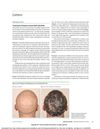
March 2017 in “JAMA Dermatology” Tofacitinib helped regrow hair in people with severe alopecia, but side effects occurred and benefits stopped after treatment ended.
 26 citations
,
November 2016 in “European Journal of Clinical Pharmacology”
26 citations
,
November 2016 in “European Journal of Clinical Pharmacology” Valproic acid helps delay hair loss and increases survival time for high-grade glioma patients undergoing radiation therapy.
 17 citations
,
January 2019 in “Dermatologic Therapy”
17 citations
,
January 2019 in “Dermatologic Therapy” Tofacitinib is effective and safe for long-term treatment of severe alopecia areata, with many patients achieving complete hair regrowth.
May 2018 in “Journal of Clinical Oncology” The treatment is safe and shows promise for metastatic breast cancer.
 1 citations
,
October 2014 in “Annals of oncology”
1 citations
,
October 2014 in “Annals of oncology” Paclitaxel and nab-paclitaxel can be safe and effective for advanced gastric cancer patients on hemodialysis.
 March 2022 in “International Journal of Trichology”
 Tofacitinib may be effective for treating hair loss caused by alopecia areata that doesn't respond to other treatments.
2 citations
,
May 2011 in “Journal of Clinical Oncology” Further testing of paclitaxel poliglumex for this cancer treatment is not justified.
5 citations
,
March 2021 in “Hepatitis Monthly” Tenofovir alafenamide fumarate is effective and safer for hepatitis B, with fewer side effects than tenofovir disoproxil fumarate.
January 2023 in “Cutaneous and Ocular Toxicology”  September 2024 in “Skin Appendage Disorders”
 Tofacitinib helped a woman regrow her hair without relapses after other treatments failed.
3 citations
,
June 2025 in “Biomedical Reports” Nanotechnology can improve cervical cancer treatment by targeting drugs better and reducing side effects.
 139 citations
,
November 2016 in “Journal of the American Academy of Dermatology”
139 citations
,
November 2016 in “Journal of the American Academy of Dermatology” Tofacitinib helped regrow hair in most adolescents with alopecia areata, but more research is needed.