20 citations
,
May 2023 in “Cancer Nanotechnology” The new drug delivery system effectively targets lung cancer cells.
January 2023 in “Applied sciences” Equisetum debile extracts may help with skin whitening, anti-wrinkle, and anti-hair loss treatments.
 June 2014 in “Basic & Clinical Pharmacology & Toxicology”
 Some plant extracts may treat livestock diseases, certain animal treatments are safe and effective, but more research on drug safety and resistance is needed.
 1 citations
,
January 2002 in “The Journal of Korean Medicine Ophthalmology and Otolaryngology and Dermatology”
1 citations
,
January 2002 in “The Journal of Korean Medicine Ophthalmology and Otolaryngology and Dermatology” Some plant extracts may help hair grow.
 49 citations
,
March 2017 in “Journal of the American Academy of Dermatology”
49 citations
,
March 2017 in “Journal of the American Academy of Dermatology” Tofacitinib caused significant hair regrowth in adolescents with alopecia universalis who didn't respond to other treatments.
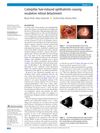 July 2022 in “BMJ Case Reports”
 Early treatment is crucial to prevent severe eye complications from caterpillar hair.
22 citations
,
May 2017 in “Journal of dermatological treatment” BD 1/4 dilution is the best for treating localized alopecia areata in adults.
 November 2025 in “Mendeley Data”
 Standard dosing is more effective for severe alopecia areata in children, but unorthodox dosing can be safe and considered if needed.
 November 2015 in “Clin-Alert”
 Some medications and supplements can cause serious side effects, including hair loss, heart rhythm problems, liver injury, and other health issues.
December 2020 in “Forum Dermatologicum” Intralesional triamcinolone acetonide can effectively limit the progression of GLPLS.
 January 2025 in “International Journal of Drug Delivery Technology”
 A reliable method was developed to measure Finasteride and Tadalafil together, showing they degrade under certain conditions.
 January 2016 in “Chemistry & Industry”
 Two drugs, tofacitinib and ruxolitinib, may help regrow hair by activating hair follicles.
May 2023 in “Reactions Weekly” January 2013 in “Reactions Weekly” 13 citations
,
January 2018 in “International Journal of Trichology” Intralesional triamcinolone injections can effectively stop frontal fibrosing alopecia with minimal side effects.
 January 2015 in “Journal of evolution of medical and dental sciences”
 Topical tacrolimus is effective and safe for treating alopecia areata.
 8 citations
,
July 2019 in “Pure and Applied Chemistry”
8 citations
,
July 2019 in “Pure and Applied Chemistry” Some natural compounds from Iris plants can block enzymes related to certain disorders, with a few affecting both targeted enzymes.
10 citations
,
August 2002 in “British Journal of Ophthalmology” Surgical excision is the best treatment for SCC, but intralesional cidofovir might be a good alternative.
4 citations
,
September 2025 in “Journal of the American Academy of Dermatology”  September 2024 in “Journal of the American Academy of Dermatology”
 The compounded topical solution is safe, stable, and effective for personalized alopecia treatment.
November 2025 in “OPAL (Open@LaTrobe) (La Trobe University)” Tectona grandis leaves may help treat hair loss and inflammation.
 26 citations
,
February 2020 in “Frontiers in genetics”
26 citations
,
February 2020 in “Frontiers in genetics” The CORT, FGF5, and CD36 genes are crucial for the cold weather adaptation of Yanbian cattle.
97 citations
,
January 2006 in “Dermatology” imTA and pulse therapy are effective for alopecia areata with manageable side effects, but relapse rates need improvement.
 November 2025 in “Mendeley Data”
 Unorthodox dosing of tofacitinib and baricitinib is safe but less effective than standard dosing for treating alopecia areata in kids.
 April 2019 in “Journal of Investigative Dermatology”
 Sandalore®, a synthetic scent, improved hair loss and satisfaction in women with telogen effluvium.
 July 2013 in “Journal of clinical & experimental dermatology research”
 Bimatoprost can help treat hair loss.
 January 2020 in “Veterinary world/Veterinary World”
 The natural topical treatment improved rabbits' skin and hair condition.
 May 2023 in “International Journal of Trichology”
 Tofacitinib may be an effective and safe treatment for hair loss in teenagers with alopecia areata.
3 citations
,
October 2018 in “Journal of cosmetic dermatology” Pentoxifylline alone and combined with triamcinolone acetonide is effective for treating localized alopecia areata, with the combination showing the highest effectiveness.
 2 citations
,
January 2020 in “Einstein (São Paulo)”
2 citations
,
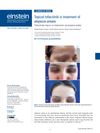
January 2020 in “Einstein (São Paulo)” Topical tofacitinib shows promise as a future treatment for alopecia areata.