 141 citations
,
September 2016 in “European Journal of Dermatology”
141 citations
,
September 2016 in “European Journal of Dermatology” Taxane chemotherapy can cause skin, hair, and nail side effects, which are often under-reported and can affect patient quality of life.
 31 citations
,
March 2017 in “Journal of The American Academy of Dermatology”
31 citations
,
March 2017 in “Journal of The American Academy of Dermatology” Some breast cancer patients developed permanent hair loss after chemotherapy and hormonal therapy, showing patterns similar to common baldness and alopecia areata.
 3 citations
,
July 2018 in “Cureus”
3 citations
,
July 2018 in “Cureus” A breast cancer patient had lasting hair loss after chemotherapy, which improved with minoxidil treatment.
November 2024 in “Journal of Investigative Dermatology” Paclitaxel chemotherapy causes premature aging and damage to hair follicles, potentially leading to permanent hair loss.
July 2024 in “Journal of Investigative Dermatology” Taxane chemotherapy can cause permanent hair loss by damaging hair follicles and altering their DNA.
May 2019 in “Journal of clinical oncology” Topical calcitriol was safe and well-tolerated for potential hair loss prevention in chemotherapy patients.

Low-intensity ultrasound may prevent hair loss during taxane chemotherapy.
11 citations
,
August 2017 in “Supportive care in cancer” Madarosis (eyebrow and eyelash loss) significantly affects quality of life for breast cancer patients on taxane-based chemotherapy.
5 citations
,
January 2024 in “BMC Cancer” Anthracycline and taxane chemotherapy cause significant side effects like fatigue, vomiting, nausea, nerve damage, joint pain, and hair loss in breast cancer patients.
 59 citations
,
August 2018 in “The oncologist”
59 citations
,
August 2018 in “The oncologist” Some breast cancer patients still experience hair loss three years after chemotherapy, especially with taxane-based treatments.
 19 citations
,
November 2018 in “Nutrients”
19 citations
,
November 2018 in “Nutrients” Annurca apple extract may protect mouse hair from damage by chemotherapy and could help treat hair loss without promoting cancer growth.

Chemotherapy for breast cancer often causes significant and lasting hair loss.
 September 2024 in “Current Oncology”
 Docetaxel often causes hair loss, with limited effective treatments and no cure for permanent hair loss.
1 citations
,
May 2017 in “Journal of Clinical Oncology” Topical calcitriol is safe for preventing hair loss during chemotherapy.
 September 2025 in “PubMed”
 Prevent persistent hair loss after chemotherapy with scalp cooling and early minoxidil use.
 55 citations
,
November 2004 in “Expert opinion on drug safety”
55 citations
,
November 2004 in “Expert opinion on drug safety” Chemotherapy often causes hair loss, nail changes, and mouth issues, but these are usually manageable.
 2 citations
,
March 2021 in “Cutis”
2 citations
,
March 2021 in “Cutis” Some breast cancer treatments, like taxanes, can cause long-term hair loss.
April 2026 in “Actas Dermo-Sifiliográficas” Scalp cooling and minoxidil can help manage hair loss after chemotherapy.
58 citations
,
September 2019 in “EMBO Molecular Medicine” CDK4/6 inhibitors can protect hair cells from chemotherapy damage.
7 citations
,
March 2023 in “Journal of Investigative Dermatology” Low-intensity ultrasound may help protect hair follicles from chemotherapy-induced hair loss.
 2 citations
,
May 2018 in “Australasian Journal of Dermatology”
2 citations
,
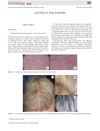
May 2018 in “Australasian Journal of Dermatology” Some patients' hair grew back black and white after chemotherapy.
 1 citations
,
June 2025 in “Supportive Care in Cancer”
1 citations
,
June 2025 in “Supportive Care in Cancer” Docetaxel chemotherapy causes more long-term hair loss and dissatisfaction than paclitaxel.
 February 2026 in “Cureus”
 Recognizing and managing skin side effects from chemotherapy improves patient quality of life and treatment success.
 May 2024 in “Deleted Journal”
 Cancer treatments can cause hair loss, but it is often reversible and can be managed with scalp cooling and support.
25 citations
,
March 2018 in “Journal of oncology practice” Scalp cooling is an effective and safe way to prevent hair loss from chemotherapy, with manageable side effects and low risk of scalp cancer.
6 citations
,
April 2022 in “The Breast” Scalp cooling reduces hair loss during chemotherapy but doesn't help hair regrow after.
2 citations
,
May 2016 in “Journal of Clinical Oncology” Topical calcitriol may reduce hair loss from chemotherapy at higher doses.
April 2026 in “Scientific Reports” The tool accurately tracks eyebrow hair loss in chemotherapy patients.
November 2025 in “npj Breast Cancer” Tamoxifen increases the risk of lasting hair loss after chemotherapy despite scalp cooling.
July 2024 in “Journal of Investigative Dermatology” Scalp cooling may be less effective for women of color on certain chemotherapy treatments.