Cialis and Finasteride could be repurposed to treat aggressive melanoma.
2 citations
,
October 2024 in “Artificial Cells Nanomedicine and Biotechnology” Greenly synthesized silver nanoparticles from lentils show strong anticancer and antimicrobial effects.
 April 2013 in “Cancer Research”
 A botanical extract was found to be a safe treatment that may prevent hair loss in chemotherapy patients.
 July 2025 in “Scientific Reports”
 Pioglitazone, Trimipramine, and Dimetindene may be repurposed to treat psoriasis.
 January 2016 in “Chemistry & Industry”
 Two drugs, tofacitinib and ruxolitinib, may help regrow hair by activating hair follicles.
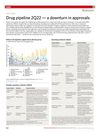 August 2022 in “Nature Biotechnology”
 Drug approvals slowed in 2Q22, but notable drugs like Amvuttra, Camzyos, and Olumiant were approved.
 June 2011 in “Oncology times”
 New treatments are making advanced prostate cancer management more complex but also more hopeful.
 March 2022 in “International Journal of Trichology”
 Tofacitinib may be effective for treating hair loss caused by alopecia areata that doesn't respond to other treatments.
January 2017 in “Anais do 5º Encontro Brasileiro para Inovação Terapêutica” The oils showed potential to kill certain cancer cells, especially from Dysphania ambrosioides.
 78 citations
,
June 2005 in “Annals of oncology”
78 citations
,
June 2005 in “Annals of oncology” Cetuximab can cause excessive eyelash growth.
 9 citations
,
February 2019 in “BMC cancer”
9 citations
,
February 2019 in “BMC cancer” M30 is a promising treatment for preventing hair loss during chemotherapy.
 26 citations
,
March 2014 in “Rheumatology”
26 citations
,
March 2014 in “Rheumatology” Some drugs used to treat inflammation may cause hair loss.
January 2011 in “Archivio Istituzionale della Ricerca (Universita Degli Studi Di Milano)” New molecules can prevent cell death in hair follicles.
 January 2024 in “Wiadomości Lekarskie”
 Uveal melanoma is hard to treat when it spreads, but a new drug, tebentafusp, helps patients live longer.
2 citations
,
February 2025 in “Advanced Healthcare Materials” Perhexiline can effectively target ovarian cancer cells left after treatment.
 April 2022 in “Anti-cancer agents in medicinal chemistry”
 Some existing medicines show promise as safe treatments to protect against the side effects of radiation therapy.
January 2024 in “Technology in Cancer Research & Treatment” Anti-angiogenic drugs do not worsen COVID-19 severity in lung cancer patients.
 December 2013 in “Biomedical and biopharmaceutical research”
 Nanotechnology shows promise for better drug delivery and cancer treatment.
 1 citations
,
October 2023 in “Life science alliance”
1 citations
,
October 2023 in “Life science alliance” Pantethine may boost the immune system's ability to fight sarcoma.
27 citations
,
June 2017 in “Expert opinion on investigational drugs” New anti-acne medications are being tested to offer alternatives to current treatments.
November 2018 in “Zenodo (CERN European Organization for Nuclear Research)” Silver nanoparticles may reduce chemotherapy side effects and improve cancer treatment.
July 2021 in “Plastic and reconstructive surgery. Global open” Radiation therapy in breast cancer patients changes gene expression related to DNA damage, fibroblast growth, and hair follicle development, which could help improve treatment for radiation-induced fibrosis.
 10 citations
,
May 2018 in “Nutrition and Cancer”
10 citations
,
May 2018 in “Nutrition and Cancer” Certain spices may help prevent and treat skin cancer, but more human trials are needed.
23 citations
,
December 2013 in “Molecular cancer therapeutics” Breast cancer treatments work better with AR activation, improving results and reducing side effects.
 August 2009 in “Australian Prescriber”
 Dutasteride is approved to help manage prostate enlargement.
10 citations
,
July 2015 in “Clinical and Experimental Dermatology” Etanercept may cause hair fragility and breakage.
 May 2022 in “Голова и шея.”
 Exosomes show promise for targeted treatment of HER2-positive breast cancer.
 12 citations
,
June 2022 in “FARMACIA”
12 citations
,
June 2022 in “FARMACIA” Transethosomal gels improve naftifine skin delivery better than Exoderil cream.
 3 citations
,
August 2020 in “Cutaneous and Ocular Toxicology”
3 citations
,
August 2020 in “Cutaneous and Ocular Toxicology” ATP helps prevent skin damage from vandetanib by reducing stress.
26 citations
,
November 2022 in “European journal of medical research” Nanoparticles can effectively treat diseases by modifying blood vessel growth.