 February 2026 in “The European Physical Journal E”
 Root hair growth mechanics depend on turgor pressure and cell wall properties.
 August 2025 in “bioRxiv (Cold Spring Harbor Laboratory)”
 Root hair stiffness is mainly influenced by tip compression and turgor pressure.
 March 2025 in “Journal of Endocrinology and Metabolism”
 Rodent models of PCOS show some hormone changes similar to humans, but also have key differences.
March 2021 in “Research Square (Research Square)” Ketoconazole's structure and dynamics are linked, aiding antifungal drug development.
 January 2019 in “Durham e-Theses (Durham University)”
 Advanced microscopy shows hair damage and keratin proteins' roles, aiding future cosmetic treatments.
 May 1991 in “Current problems in dermatology”
 Skin issues can indicate immune system problems.
 8 citations
,
May 1982 in “Journal of Endocrinology/Journal of endocrinology”
8 citations
,
May 1982 in “Journal of Endocrinology/Journal of endocrinology” Rat skin takes up and processes testosterone differently than other organs, with testosterone being more important for the skin than its metabolite 5α-DHT.
April 2012 in “Neuropediatrics” Trichothiodystrophy is a rare genetic disorder causing hair issues and sometimes linked to DNA repair defects.
January 2026 in “Biomolecules” TSC22D genes are key in metabolic diseases and cancer, offering potential as treatment targets.
8 citations
,
March 2015 in “International Journal of Oncology” Tsc2-deficient stem cells can help understand and treat TSC-related tumors.
November 1968 in “Journal of the American Pharmaceutical Association”  April 2007 in “Nature Clinical Practice Urology”
 TICE salvage chemotherapy is effective for treating germ-cell tumors with poor prognosis.
 55 citations
,
June 2014 in “Nature Communications”
55 citations
,
June 2014 in “Nature Communications” Tcf3 helps cells move and heal wounds by controlling lipocalin 2.
5 citations
,
July 1996 in “Journal of Cutaneous Medicine and Surgery” TTD patients don't have a higher skin cancer risk because their main issue is with transcription, not DNA repair.
2 citations
,
June 2023 in “Medicine” A rare skin cancer on a man's elbow was successfully treated with surgery, showing no recurrence after one year.
12 citations
,
January 1987 in “Carcinogenesis” TCDD changes skin cell growth and keratin production in mice.
January 2009 in “Epsilon: Revista de la Sociedad Andaluza de Educación Matemática "Thales"” A CCS patient with severe complications was successfully treated using combined therapies.
CCC1 is essential for ion balance and proper plant cell function.
June 2023 in “Zenodo (CERN European Organization for Nuclear Research)” DTC hair regrowth solutions are improving hair health and confidence with innovative, personalized approaches.
7 citations
,
March 2004 in “Journal of the American Academy of Dermatology” Tiger tail banding and hair abnormalities are reliable indicators for diagnosing trichothiodystrophy.
35 citations
,
September 2011 in “The Journal of Dermatology” Trichoscopy helps accurately diagnose temporal triangular alopecia.
 February 2009 in “Journal of The American Academy of Dermatology”
 Most patients with Tuberous sclerosis had neurological or skin issues, and over half had psychiatric problems.
 April 2012 in “Informa Healthcare eBooks”
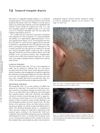
 Temporal triangular alopecia is a lifelong condition with hairless patches on the side of the head that may be present from birth.
September 2016 in “Journal of dermatological science” TSC2 is crucial for proper hair follicle development and patterning.
 January 2026 in “Cell and Tissue Biology”
 TS-13 speeds up hair regrowth after chemotherapy without affecting treatment effectiveness.
 February 2026 in “Oncology Reviews”
 Sacituzumab tirumotecan shows promise in treating breast cancer with manageable side effects.
 56 citations
,
March 2010 in “Journal of Dermatology”
56 citations
,
March 2010 in “Journal of Dermatology” Most cases of Temporal Triangular Alopecia are found in early childhood and may be related to genetic conditions.
21 citations
,
May 2014 in “Toxicological Sciences” Toluene diisocyanate exposure can cause immune sensitization by interacting with proteins in hair follicles and sebaceous glands.
21 citations
,
February 1988 in “Toxicology” High doses of TCB cause severe health issues in marmoset monkeys.
215 citations
,
November 2000 in “Journal of Investigative Dermatology” The system allows precise control of gene expression in mouse skin, useful for studying skin biology.