 July 2025 in “The Egyptian Journal of Hospital Medicine”
 Estrogen affects hair growth, and GPER-1 levels might help identify hair loss types.
April 2023 in “Dohuk medical journal” Trichoscopy effectively differentiates Androgenetic Alopecia from Telogen Effluvium.
December 2021 in “International Journal of Research in Dermatology” Early diagnosis and personalized treatment are crucial for managing hair loss in India.
January 2021 in “International journal of dermatology, venereology and leprosy sciences” AGA and TE can be differentiated by specific trichoscopic features, with AGA showing more variation in hair thickness in fronto-temporal areas.
 96 citations
,
January 2013 in “International Journal of Trichology”
96 citations
,
January 2013 in “International Journal of Trichology” Trichoscopy is a useful, non-invasive way to diagnose different types of hair loss.
 56 citations
,
January 2019 in “Skin appendage disorders”
56 citations
,
January 2019 in “Skin appendage disorders” The most common hair loss type at specialist clinics is androgenetic alopecia, especially in younger men, followed by alopecia areata and telogen effluvium, with differences seen across regions.
 47 citations
,
December 2020 in “Journal of the European Academy of Dermatology and Venereology”
47 citations
,
December 2020 in “Journal of the European Academy of Dermatology and Venereology” The document concludes that understanding and treating hair loss requires recognizing its various types and using appropriate diagnostic tools and treatments.
 34 citations
,
February 2012 in “Journal of Cutaneous Pathology”
34 citations
,
February 2012 in “Journal of Cutaneous Pathology” The research found specific signs to diagnose alopecia areata incognito and noted patients generally regrow hair after steroid treatment.
 25 citations
,
February 2022 in “JAAD International”
25 citations
,
February 2022 in “JAAD International” Some COVID-19 patients lose hair, with the most common type linked to male hormones and possibly increasing the risk of severe illness.
 22 citations
,
October 2021 in “Dermatologic Therapy”
22 citations
,
October 2021 in “Dermatologic Therapy” COVID-19 may cause temporary hair loss in some people.
 13 citations
,
April 2018 in “Journal of The American Academy of Dermatology”
13 citations
,
April 2018 in “Journal of The American Academy of Dermatology” People with certain types of hair loss, especially lichen planopilaris and telogen effluvium, as well as African Americans, Asians, and men, are more likely to have severe vitamin D deficiency.
 13 citations
,
May 1993 in “International Journal of Dermatology”
13 citations
,
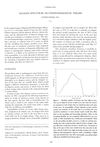
May 1993 in “International Journal of Dermatology” The paper suggests that telogen effluvium, a type of hair loss, may be a long-lasting condition triggered by stress or illness in people whose hair growth is unusually synchronized.
 4 citations
,
February 2021 in “International Journal of Women's Dermatology”
4 citations
,
February 2021 in “International Journal of Women's Dermatology” Trichoscopy is a quick and reliable way to diagnose hair loss in women.
 3 citations
,
October 2022 in “International Journal of Dermatology”
3 citations
,
October 2022 in “International Journal of Dermatology” COVID-19 can cause hair and nail disorders after infection.
 3 citations
,
April 2002 in “The Lancet”
3 citations
,
April 2002 in “The Lancet” Painful hair loss in an elderly woman was caused by giant cell arteritis, not just aging.
 2 citations
,
July 2018 in “Elsevier eBooks”
2 citations
,
July 2018 in “Elsevier eBooks” Trichoscopy is a useful tool for diagnosing and managing hair and scalp conditions, often better than traditional methods.
 February 2026 in “International Journal of Science and Research (IJSR)”
 Androgenetic alopecia is the most common hair disorder, affecting more males, while telogen effluvium is more common in females, with stress and nutrition as key factors.
 October 2025 in “EMJ Dermatology”
 GLP-1RA therapy may increase the risk of hair loss.
July 2025 in “Clinical and Experimental Dermatology” Hair loss (telogen effluvium) happens before male pattern baldness.

Migrant and minority communities face higher rates of alopecia due to genetic, environmental, and cultural factors, needing better healthcare access and culturally aware treatments.
 April 2025 in “Tạp chí Y Dược học Cần Thơ”
 Hair loss and mental health issues like anxiety and insomnia affect each other, impacting quality of life.

Teledermatology effectively diagnoses and manages non-scarring alopecia remotely.

Blood cell counts could help predict and treat alopecia areata and telogen effluvium.
 November 2023 in “Journal of Cosmetic Dermatology”
 People with non-scarring hair loss often have lower vitamin D levels than those without hair loss.
April 2023 in “Russian Journal of Clinical Dermatology and Venereology” Proteoglycan replacement therapy improved hair conditions in most patients with alopecia.

COVID-19 can cause hair loss and nail issues, with treatments available for these conditions.
 May 2022 in “Journal of the Egyptian Women's Dermatologic Society (Print)”
 Women's hair loss can be due to hormonal changes and various conditions, with treatments focusing on stopping progression and managing symptoms.
 January 2021 in “Turkiye Klinikleri Journal of Dermatology”
 Many young men with hair loss have low levels of vitamin D and B12.
 August 2019 in “DOAJ (DOAJ: Directory of Open Access Journals)”
 Telogen effluvium is a common, distressing condition causing excessive hair shedding and has significant psychological effects on patients.
 August 2017 in “Journal of evolution of medical and dental sciences”
 Trichoscopy is effective for diagnosing different types of non-scarring hair loss.