3 citations
,
March 2024 in “arXiv (Cornell University)” The new AI system improves remote skin condition diagnosis and access to care.
 51 citations
,
April 2021 in “JAMA network open”
51 citations
,
April 2021 in “JAMA network open” The AI tool helped primary care doctors and nurse practitioners diagnose skin conditions more accurately.
40 citations
,
August 2021 in “JAAD international” Teledermatology became a valuable and convenient tool for skin care during the COVID-19 pandemic.
 28 citations
,
February 2014 in “Journal of Telemedicine and Telecare”
28 citations
,
February 2014 in “Journal of Telemedicine and Telecare” Smartphone-based teledermatology is effective for diagnosing skin diseases in the military with good accuracy.
24 citations
,
August 2019 in “Journal of the American Academy of Dermatology” Teledermatology reduces unnecessary in-person visits and improves care.
 20 citations
,
August 2019 in “Journal of Telemedicine and Telecare”
20 citations
,
August 2019 in “Journal of Telemedicine and Telecare” Dermatologists found teledermatology useful and confidence-boosting for diagnosing skin conditions, but faced limitations like technical issues and prescription restrictions. Despite this, they saw its potential to improve access to skin care, especially in remote areas.
 13 citations
,
October 2020 in “Frontiers in Medicine”
13 citations
,
October 2020 in “Frontiers in Medicine” Teledermatology is highly accurate for diagnosing inflammatory skin conditions.
 7 citations
,
April 2022 in “Cutis”
7 citations
,
April 2022 in “Cutis” Direct-to-consumer teledermatology is growing fast but raises concerns about quality of care and doctor-patient relationships.
 7 citations
,
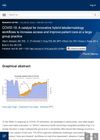
April 2021 in “Journal of The American Academy of Dermatology”
7 citations
,
April 2021 in “Journal of The American Academy of Dermatology” A new teledermatology system improved access and reduced wait times for skin care.
 4 citations
,
March 2022 in “Journal of The American Academy of Dermatology”
4 citations
,
March 2022 in “Journal of The American Academy of Dermatology” Direct-to-consumer teledermatology is not effectively reaching underserved populations due to language, technology, and insurance barriers.
 3 citations
,
August 2021 in “Clinical, Cosmetic and Investigational Dermatology”
3 citations
,
August 2021 in “Clinical, Cosmetic and Investigational Dermatology” Teledermatology was popular among young adults and women, and high-resolution photos improved service during the pandemic.
 2 citations
,
November 2021 in “Frontiers in Medicine”
2 citations
,
November 2021 in “Frontiers in Medicine” New skin imaging, teledermatology, and AI could become key in future dermatology care.
1 citations
,
December 2022 in “Skin Appendage Disorders” Teledermatology can effectively diagnose Loose Anagen Syndrome remotely.
 1 citations
,
August 2018 in “Journal of The American Academy of Dermatology”
1 citations
,
August 2018 in “Journal of The American Academy of Dermatology” Teledermatology could improve skin care access, but its success depends on technology, quality strategies, and payment policies; also, vitamin B12 might help treat a specific hair loss condition.
June 2025 in “British Journal of Dermatology” An AI device for skin cancer was successfully integrated into the NHS, improving diagnosis accuracy and service capacity.

Teledermatology effectively diagnoses and manages non-scarring alopecia remotely.
September 2024 in “Journal of the American Academy of Dermatology” Teledermatology can effectively treat certain skin conditions with topical treatments, reducing the need for in-person visits.
 December 2023 in “JAAD international”
 Teledermatology is highly effective for diagnosing and managing hair loss.
 June 2022 in “Indian Dermatology Online Journal”
 Teledermatology effectively managed most skin conditions remotely during the COVID-19 pandemic.
Combining online and in-person dermatology care can improve quality and access.
August 2021 in “Journal of the American Academy of Dermatology” The study evaluated how alopecia areata severity relates to its psychosocial effects on patients.
January 2021 in “Clinical dermatology review” Teledermatology is crucial and effective for remote skin care in India.
 April 2016 in “Journal of The American Academy of Dermatology”
 Low-cost videomicroscopes may not be reliable for diagnosing scalp disorders, smartphones could be reasonable for teledermatology, and U.S. residency programs need more teledermatology training.
1 citations
,
January 2022 in “Journal of The American Academy of Dermatology” Direct-to-consumer teledermatology platforms have financial conflicts of interest and lack proper patient care and follow-up.
 September 2025 in “JMIR Dermatology”
 Direct-to-consumer teledermatology effectively treats male hair loss but may increase drug costs and requires monitoring for side effects.
 January 2023 in “DIGITAL HEALTH”
 Most men using teledermatology for hair loss treatment saw improved hair and self-esteem, with some experiencing side effects.
 2 citations
,
September 2021
2 citations
,
September 2021 The COVID-19 pandemic increased the use of teledermatology to treat skin conditions in low-income areas, despite challenges like poor photo quality.
 April 2016 in “Journal of The American Academy of Dermatology”
 Low-cost videomicroscopes might not be reliable for examining scalp disorders compared to standard methods.
 44 citations
,
March 2020 in “Journal of the European Academy of Dermatology and Venereology”
44 citations
,
March 2020 in “Journal of the European Academy of Dermatology and Venereology” The pandemic has pushed dermatology education and care to adopt digital solutions, which are effective and likely to continue post-pandemic.
 39 citations
,
June 2020 in “Dermatologic Therapy”
39 citations
,
June 2020 in “Dermatologic Therapy” The COVID-19 pandemic led to an increase in untreated hair diseases and showed the importance of teledermatology.