
Hair loss can happen after both mild and severe COVID-19, and areas with more COVID-19 cases may see more hair loss cases.
 4 citations
,
March 2021 in “International Journal of Dermatology”
4 citations
,
March 2021 in “International Journal of Dermatology” COVID-19 and related stress may increase hair loss known as Telogen effluvium.
 61 citations
,
January 2013 in “Indian Journal of Dermatology, Venereology and Leprology”
61 citations
,
January 2013 in “Indian Journal of Dermatology, Venereology and Leprology” Hair usually grows back 1-3 months after treatment for anagen effluvium, and children with Loose Anagen Hair Syndrome often improve by adolescence.
 January 2018 in “International journal of medical biochemistry”
 Women with telogen effluvium have lower levels of iron, folate, and vitamin B12.
 2 citations
,
February 1981 in “Journal of the Royal Society of Medicine”
2 citations
,
February 1981 in “Journal of the Royal Society of Medicine” A three-year-old girl survived a rare serious infection caused by BCG vaccination, which improved after treatment with a leprosy drug.
 March 2023 in “Journal of Cosmetic Dermatology”
 Dilated scalp capillaries might be a sign of hair loss related to COVID-19.
5 citations
,
January 2024 in “Therapeutic Advances in Hematology” Mogamulizumab treatment in Sézary syndrome may cause skin issues and hair loss but can lead to a complete response.
 7 citations
,
September 2021 in “Anais Brasileiros De Dermatologia”
7 citations
,
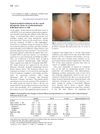
September 2021 in “Anais Brasileiros De Dermatologia” COVID-19 can cause temporary hair loss, often starting around 7-8 weeks after recovery, with factors like Vitamin D deficiency, other diseases, medication, and stress potentially contributing.
 14 citations
,
July 2012 in “Journal of the American Academy of Dermatology”
14 citations
,
July 2012 in “Journal of the American Academy of Dermatology” Topical tacalcitol ointment can help improve symptoms of EFFC.
 1 citations
,
January 2014 in “PubMed”
1 citations
,
January 2014 in “PubMed” Hair loss in a child was an early sign of Crohn's disease.
July 2026 in “International Journal of Drug Delivery Technology” Stopping azathioprine led to hair regrowth in a girl who lost hair due to the drug.
 14 citations
,
April 2021 in “Clinical, Cosmetic and Investigational Dermatology”
14 citations
,
April 2021 in “Clinical, Cosmetic and Investigational Dermatology” COVID-19 may trigger sudden temporary hair loss.
 33 citations
,
April 2011 in “Journal of Veterinary Internal Medicine”
33 citations
,
April 2011 in “Journal of Veterinary Internal Medicine” Long-term fluticasone treatment does not harm the immune system in horses with heaves.
 April 2024 in “International journal of research in dermatology”
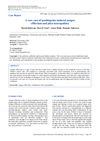
 Azathioprine can cause hair loss and matted hair.
 5 citations
,
June 2015 in “Journal of dermatology”
5 citations
,
June 2015 in “Journal of dermatology” A woman and her daughter had thallium poisoning from a herbal drink and rodenticide, causing hair loss and other symptoms.
 7 citations
,
July 2019 in “The Journal of Dermatology”
7 citations
,
July 2019 in “The Journal of Dermatology” Terbinafine effectively treated kerion celsi despite disrupted immune responses.
 January 2018 in “Springer eBooks”
 Telogen effluvium is hair loss caused by disruption of the normal hair cycle.
 36 citations
,
June 2014 in “Experimental Neurology”
36 citations
,
June 2014 in “Experimental Neurology” Teriflunomide is an effective and generally safe oral treatment for relapsing MS, reducing relapses and slowing disability progression.
 August 2012 in “Reactions Weekly”
 Albendazole likely caused temporary hair loss in a 25-year-old woman.
 February 2024 in “Recima21”
 Covid-19 can cause hair loss due to immune and psychological factors.
September 2011 in “Chinese Journal of Dermatology” A man's skin condition was misdiagnosed and later identified as a rare type of skin cancer, which did not improve with treatment.
 1 citations
,
January 2018 in “Turkiye Klinikleri Journal of Dermatology”
1 citations
,
January 2018 in “Turkiye Klinikleri Journal of Dermatology” Vitamin D levels are not correlated with chronic hair loss in Telogen Effluvium patients.
 4 citations
,
June 2022 in “Indian Dermatology Online Journal”
4 citations
,
June 2022 in “Indian Dermatology Online Journal” COVID-19 may cause temporary hair loss due to direct damage to hair follicles, but it usually gets better on its own.

Isotretinoin reduced inflammation in tufted hair folliculitis, but hair tufting remained.
 13 citations
,
May 2017 in “Dermatologica Sinica”
13 citations
,
May 2017 in “Dermatologica Sinica” Dengue fever can cause a temporary type of hair loss called telogen effluvium.
May 2026 in “Skin Appendage Disorders” Trichoscopy and histopathology can help identify post-COVID-19 hair loss.
October 2022 in “Amplla Editora eBooks” COVID-19 can cause temporary hair loss in some people.
 July 2023 in “Chinese Journal of Dermatology”
 COVID-19 may cause common hair loss due to stress, immune response, medications, and other health issues.
 1 citations
,
March 2013 in “PubMed”
1 citations
,
March 2013 in “PubMed” The study found that it's hard to tell the difference between two types of hair loss, alopecia areata and telogen effluvium, by looking at symptoms and tissue samples.