 2 citations
,
September 2021
2 citations
,
September 2021 The COVID-19 pandemic increased the use of teledermatology to treat skin conditions in low-income areas, despite challenges like poor photo quality.

Teledermatology effectively diagnoses and manages non-scarring alopecia remotely.
 1 citations
,
August 2018 in “Journal of The American Academy of Dermatology”
1 citations
,
August 2018 in “Journal of The American Academy of Dermatology” Teledermatology could improve skin care access, but its success depends on technology, quality strategies, and payment policies; also, vitamin B12 might help treat a specific hair loss condition.
 5 citations
,
February 2021 in “Journal of The American Academy of Dermatology”
5 citations
,
February 2021 in “Journal of The American Academy of Dermatology” Online skin care companies offer easy access to treatments but may have ethical issues like confirming patient identity, prescribing unproven therapies, and not fully explaining medication side effects. They should prioritize patient care over profit.
 39 citations
,
June 2020 in “Dermatologic Therapy”
39 citations
,
June 2020 in “Dermatologic Therapy” The COVID-19 pandemic led to an increase in untreated hair diseases and showed the importance of teledermatology.
2 citations
,
July 2024 in “Journal of Clinical Medicine” Telemedicine is effective for managing alopecia areata follow-ups.
1 citations
,
July 2022 in “Journal of The European Academy of Dermatology and Venereology” Telemedicine helps men with hair loss get better care.
3 citations
,
March 2021 in “Indian Journal of Rheumatology” Remote monitoring of chronic diseases like dermatomyositis is challenging and needs better tools for early detection and patient education.
Teletrichoscopy can effectively diagnose hair and scalp conditions remotely using smartphone apps and affordable tools.
 June 2020 in “Journal of Dermatological Treatment”
 Use telemedicine and strict hygiene for safe hair and scalp treatments during COVID-19.
 31 citations
,
May 2020 in “Dermatologic Therapy”
31 citations
,
May 2020 in “Dermatologic Therapy” Quarantine stress likely worsened hair loss in women, but video consultations helped manage their condition and reduce anxiety.

Technology can improve sexual dysfunction in chronic disease patients but faces challenges like cost and accessibility.
 5 citations
,
March 2025 in “World Journal of Urology”
5 citations
,
March 2025 in “World Journal of Urology” Digital health technology improves health and medication adherence in kidney transplant patients.
 13 citations
,
May 2020 in “Journal of Cosmetic Dermatology”
13 citations
,
May 2020 in “Journal of Cosmetic Dermatology” The article suggests using safety measures and telemedicine for aesthetic dermatology during COVID-19, while some procedures can still be done safely.
 28 citations
,
February 2014 in “Journal of Telemedicine and Telecare”
28 citations
,
February 2014 in “Journal of Telemedicine and Telecare” Smartphone-based teledermatology is effective for diagnosing skin diseases in the military with good accuracy.
 December 2020 in “Journal of medical science and clinical research”
 Most child skin problems during the COVID-19 lockdown were not emergencies and could have been handled by teleconsultation.
 June 2022 in “Journal of the turkish academy of dermatology”
 The COVID-19 quarantine in Turkey disrupted dermatological care, increased stress-related skin issues, and showed the need for psychological support and teledermatology.
1 citations
,
January 2022 in “Journal of The American Academy of Dermatology” Direct-to-consumer teledermatology platforms have financial conflicts of interest and lack proper patient care and follow-up.
 2 citations
,
November 2021 in “Frontiers in Medicine”
2 citations
,
November 2021 in “Frontiers in Medicine” New skin imaging, teledermatology, and AI could become key in future dermatology care.
November 2025 in “Indian Journal of Dermatology” Home-based dermatology devices offer convenient and affordable skincare but require careful use due to potential risks.
11 citations
,
January 2023 in “Biophysics Reviews” Light-based bioelectronic devices improve health monitoring and disease treatment.
 December 2022 in “Siriraj Medical Journal”
 The COVID-19 pandemic led to fewer patient visits, more visits by older adults, an increase in cutaneous T-cell lymphoma cases, and a rise in noncosmetic procedures at a dermatology clinic.
 April 2023 in “Journal of Investigative Dermatology”
 The COVID-19 pandemic caused a drop in phototherapy for skin conditions, with only 40% of vitiligo and psoriasis patients returning after a hospital closure in Taiwan.
 51 citations
,
April 2021 in “JAMA network open”
51 citations
,
April 2021 in “JAMA network open” The AI tool helped primary care doctors and nurse practitioners diagnose skin conditions more accurately.
 6 citations
,
November 2020 in “Dermatology and Therapy”
6 citations
,
November 2020 in “Dermatology and Therapy” The free clinic successfully provided specialized skin care to uninsured patients.
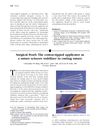 July 2005 in “Journal of The American Academy of Dermatology”
 Using a cotton-tipped applicator as a base for cutting sutures helps make them a uniform length and reduces the risk of skin cuts.
 October 2023 in “TURKDERM”
 COVID-19 reduced dermatology visits by 30.4%, with more male patients and increased cases of psoriasis, bullous diseases, and melanoma.
1 citations
,
December 2022 in “Skin Appendage Disorders” Teledermatology can effectively diagnose Loose Anagen Syndrome remotely.
 7 citations
,
August 2023 in “Therapeutic Innovation & Regulatory Science”
7 citations
,
August 2023 in “Therapeutic Innovation & Regulatory Science” A new method uses expert reviews of home videos to objectively assess children's developmental milestones in single-arm trials.
 1 citations
,
June 2024 in “BMC Oral Health”
1 citations
,
June 2024 in “BMC Oral Health” Autologous platelet concentrates can effectively treat oral lichen planus like topical steroids.