 January 2024 in “İstanbul Kuzey Klinikleri”
 Low ferritin levels are linked to increased hair loss; no link found between vitamin B12, TSH levels, and hair loss.
 January 2024 in “Annals of dermatology/Annals of Dermatology”
 Weight loss can cause temporary hair loss, especially in women and older adults.
 January 2024 in “International Journal of Applied Research”
 COVID-19 may cause hair loss, especially in young adults.

N793 may improve hair density in people with mild hair thinning.
 November 2023 in “Stem cells and cloning”
 A new treatment using stem cell-conditioned media significantly improved hair growth in people with temporary hair loss.
 September 2023 in “Brazilian Journal of Health Review”
 COVID-19 may cause a common type of hair loss called telogen effluvium.
Various treatments exist for hair loss, but no definitive solution.
 May 2023 in “Journal of contemporary medicine”
 Using Favipiravir, a COVID-19 treatment drug, likely doesn't cause hair loss.
March 2023 in “Medico Research Chronicles” Omega-3 fatty acids may help manage hair loss in middle-aged women.
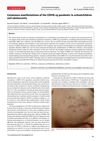 January 2023 in “Acta dermatovenerologica Alpina, Pannonica et Adriatica (Tiskana izd.)”
 The article concludes that schoolchildren and adolescents experienced various skin issues during the COVID-19 pandemic, including acne from masks and other skin reactions from the virus and vaccines.
 December 2022 in “Cosmetics”
 The food supplement improved hair growth and strength in people with a certain type of hair loss and had no major side effects.
 June 2022 in “Research, Society and Development”
 COVID-19 may cause increased hair loss, but the exact reason is unclear and standard hair loss treatments are recommended.
 December 2021 in “Consilium Medicum”
 The combined Selencin treatment effectively reduces hair loss and improves hair health after COVID-19.
The document concludes that diagnosing female hair loss requires careful examination, with treatments varying by condition and psychological support often necessary.
 January 2019 in “Journal of cosmetology & trichology”
 L-Cystine and L-Cystine with Kera-Diet® safely improved hair and nail quality in healthy women.
 December 2018 in “Esperienze dermatologiche”
 A lotion with Centella asiatica extract reduced hair loss by 41% and increased hair strength without side effects.
 October 2018 in “Springer eBooks”
 The document concludes that various hair disorders have different treatments, including medication, surgery, and addressing underlying causes.
 July 2018 in “Elsevier eBooks”
 The most common cause of hair loss in children is tinea capitis, followed by alopecia areata and telogen effluvium.
 June 2018 in “Disease-a-Month”
 Remove inflamed cysts surgically, avoid topical antibiotics on wounds, treat skin and mouth conditions with specific medications, and address underlying causes of hair loss.
 January 2018 in “International journal of food and nutrition research”
 Intermittent iron and nutritional supplements can help reduce hair loss.
 January 2018 in “Elsevier eBooks”
 The document concludes that alopecia has various forms, each with specific treatments, but no definitive cure for certain types like CCCA has been proven.
A thorough skin history and examination are essential for diagnosing and treating skin conditions effectively.
 April 2017 in “Journal of dermatology & cosmetology”
 The marine protein complex, Viviscal®, was found to effectively reduce hair loss and improve hair, skin, and nails quality in women.
 August 2016 in “Journal of Investigative Dermatology”
 Zinc deficiency disrupts hair growth and cycle, but zinc supplements can fix this.
 January 2016 in “Springer eBooks”
 The document concludes that there are various causes and treatments for hair loss, with hair transplantation being a notable option.

A girl lost her hair due to being given the wrong medication because of a pharmacy's computer error.
 January 2015 in “Springer eBooks”
 Hair health is influenced by genetics, aging, and environmental factors, with proper care needed to maintain it.
 January 2014 in “Journal of the Korean Society of Design Culture”
 The study confirmed that changes in hair structure in women with hair loss conditions matched what is taught in beauty college trichology courses.
 November 2012 in “South African Family Practice”
 The article concludes that early treatment of alopecia is crucial to prevent permanent hair loss.
 July 2012 in “Springer eBooks”
 The document concludes that proper diagnosis and treatment of nonscarring alopecias can improve quality of life and hair regrowth is possible as the hair follicle remains intact.