 1 citations
,
April 1976 in “Archives of Dermatology”
1 citations
,
April 1976 in “Archives of Dermatology” Sudden weight loss can cause significant hair loss, and using colchicine on the skin for psoriasis may be unsafe.
 July 2026 in “International Journal of Drug Delivery Technology”
 SCLL improves finasteride delivery for better hair growth in treating hair loss.
April 2026 in “Current HIV Research” Skin disorders in HIV patients have shifted, with more sexually transmitted infections and ART-related conditions now common.

Post-earthquake, skin issues like dermatitis and infections were common due to trauma, disinfectants, and stress.
 February 2026 in “Brazilian Journal of Implantology and Health Sciences”
 Chronic stress and high cortisol levels can cause hair loss by disrupting hair growth.

Mental health and hair loss are linked, and treating both can improve well-being.
January 2025 in “Updates in clinical dermatology” COVID-19 vaccines can cause minor skin reactions, including those related to Bullous Pemphigoid, but these usually resolve on their own.
January 2025 in “Updates in clinical dermatology” COVID-19 and its vaccine can cause skin issues, but most are minor and resolve on their own.
 April 2024 in “Más dermatología”
 Oral collagen peptides can improve skin health and aid wound healing.
 June 2023 in “Seven Editora eBooks”
 Microneedling therapy is effective and safe for treating hair disorders worsened by COVID-19.
 January 2023 in “Acta dermatovenerologica Alpina, Pannonica et Adriatica (Tiskana izd.)”
 The article concludes that schoolchildren and adolescents experienced various skin issues during the COVID-19 pandemic, including acne from masks and other skin reactions from the virus and vaccines.
January 2023 in “Journal of Veterinary and Animal Sciences” Dogs with skin lesions often have blood abnormalities and damaged hair.
 June 2022 in “Indian Dermatology Online Journal”
 Teledermatology effectively managed most skin conditions remotely during the COVID-19 pandemic.

Ruxolitinib cream shows promise for vitiligo, and early melanoma diagnosis is crucial.
 July 2021 in “Clinical Medicine”
 Iron deficiency without anemia can cause itching and other skin-related symptoms, and iron supplements may help.
 May 2021 in “Pakistan Journal of Medical and Health Sciences”
 Trichogram is useful for diagnosing hair disorders, but newer, non-invasive methods like trichoscopy are becoming more popular due to their sensitivity and ability to monitor treatment responses.
 April 2021 in “European medical journal”
 A COVID-19 patient had severe and long-lasting skin issues and unusual hair loss.
 January 2021 in “International journal of dermatology, venereology and leprosy sciences”
 Most adult women experiencing hair loss are aged 21-40, with the most common type being female pattern hair loss. Trichoscopy is a useful tool for diagnosing different types of hair loss.
January 2020 in “Hair therapy & transplantation” Healthy hair and scalp depend on overall body health.
January 2019 in “Deleted Journal” Biofield Energy Healing may promote hair growth and treat skin disorders by enhancing hair follicle development.
 July 2018 in “Elsevier eBooks”
 The most common cause of hair loss in children is tinea capitis, followed by alopecia areata and telogen effluvium.
April 2018 in “Journal of Investigative Dermatology” Immune cells might contribute to hair loss caused by a specific mutation.
 June 2017 in “Journal of evolution of medical and dental sciences”
 Most lupus patients in coastal Kerala had skin-specific lesions that could help diagnose the disease, and non-specific skin issues were linked to more severe, systemic lupus.

A thorough skin history and examination are essential for diagnosing and treating skin conditions effectively.
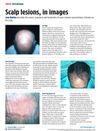 January 2015 in “Independent Nurse”
 Different scalp conditions can lead to hair loss or tumors, with treatments varying from creams to surgery; early detection is crucial.
 January 2013 in “Juntendo Medical Journal”
 Understanding the normal hair cycle and different types of hair loss is important for maintaining healthy hair.
 April 2010 in “Reactions Weekly”
 A woman's hair loss was likely caused by a cream used for skin treatment and improved after she stopped using it.
 October 2009 in “Reactions Weekly”
 A woman developed lupus after taking hydroxyurea for two years.
 November 2003 in “Journal of Investigative Dermatology”
 Topical Imiquimod may fight vascular tumors by affecting blood vessels or the immune system, low iron might be linked to some hair loss, removing the top skin layer helps vitamin C get in, genetic testing helps diagnose skin conditions, and too much iron could worsen skin inflammation.
 October 1997 in “Dermatologic Surgery”
 The Epilight Hair Removal System is effective for temporary hair removal with few side effects, but more research is needed to confirm its safety and long-term results.