September 2024 in “Colloids and Surfaces B Biointerfaces” Cedrol nanoemulsions effectively treat hair loss by promoting hair growth and reducing DHT levels safely.
 August 2024 in “International Journal of Medicine”
 COVID-19 can cause hair loss, and managing it involves counseling, diet changes, and treatments.
August 2024 in “Pharmaceuticals” Oral sturgeon oil promotes hair growth and improves gut health.
 July 2024 in “Pharmaceutics”
 The new hydrogel treatment promotes faster hair growth and better skin health for hair loss.
 May 2024 in “BMC veterinary research”
 Metabolites and diet affect hair growth cycles in cashmere goats.
 February 2024 in “Medicina-lithuania”
 Obesity and bariatric surgery can cause hair thinning and temporary hair loss due to nutritional deficiencies and stress.
 January 2024 in “Cosmetics”
 HAIR & SCALP COMPLEX may help treat hair loss by stimulating hair growth and restarting the hair cycle.
 December 2023 in “Farmateka”
 Minoxidil is an effective and safe treatment for common hair loss when applied to the skin, but more research is needed for optimal use.
 November 2023 in “Journal of Drug Delivery Science and Technology”
 Exosomes may help stimulate hair growth and improve hair loss conditions like androgenic alopecia.
 October 2023 in “Current Issues in Molecular Biology”
 The YH complex, made from Astragalus membranaceus and Cinnamomum cassia, may help treat hair loss by promoting hair growth and follicle development.
 August 2023 in “Journal of analytical & pharmaceutical research”
 Microneedle-assisted therapy with human basic fibroblast growth factor significantly regrew hair in patients with hair loss.
 July 2023 in “Journal of Microbiology and Biotechnology”
 Terminalia bellirica extract may help promote hair growth and prevent hair loss caused by testosterone.

Modern skin cancer treatments can cause skin side effects and hair loss, affecting patients' quality of life.
 May 2023 in “Journal of Cosmetic Dermatology”
 Using platelet-rich plasma, basic fibroblast growth factor, and minoxidil together significantly increases hair count and growth rate in people with hair loss.
 May 2023 in “Journal of Clinical Medicine”
 New understanding and treatments for hair loss are improving, but more research is needed.
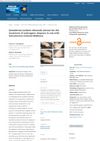
Ganoderma lucidum extract promotes hair growth in bald rats, with higher doses producing better results, similar to the effects of Minoxidil 2%.
 September 2022 in “Polish Hyperbaric Research”
 Some treatments for hair loss, like finasteride, biotin, and minoxidil, can be effective, but their success varies by individual case.
 January 2020 in “Journal of Cosmetics, Dermatological Sciences and Applications”
 TrichoxidilTM could be a promising new treatment for hair loss.
January 2019 in “Deleted Journal” Biofield Energy Healing may promote hair growth and treat skin disorders by enhancing hair follicle development.
A protein called sFRP4 can partly inhibit hair growth.
 October 2018 in “Vestnik dermatologii i venerologii”
 Certain growth factors affect hair loss in women and could be targeted for treatment.
 January 2018 in “Surgical and Cosmetic Dermatology”
 The method is effective for evaluating hair loss treatments quickly and affordably.
Conditioned media from dental pulp stem cells effectively stimulates hair growth.
January 2016 in “Faculty of 1000 Research Ltd” Glycans play a crucial role in regulating hair growth and follicle balance.
January 2016 in “Faculty of 1000 Research Ltd” Glycans play a crucial role in regulating hair growth and follicle balance.
October 2014 in “Dialnet (Universidad de la Rioja)” Snail2 is crucial for hair growth and affects skin cancer development.
Rosemary oil effectively promotes hair growth in mice.
August 2022 in “International Journal of Molecular Sciences” DNA methylation controls lncRNA2919, which negatively affects hair growth.
 January 2022 in “Tissue & Cell”
 Using both platelet-rich plasma and minoxidil together gives the best results for hair growth in male rats with hair loss.
 13 citations
,
January 2015 in “Evidence-based Complementary and Alternative Medicine”
13 citations
,
January 2015 in “Evidence-based Complementary and Alternative Medicine” Garlic chive extract helped mice grow more hair by increasing a specific growth factor.