December 2012 in “SWU eJournals System (Srinakharinwirot University)” Chemical hair removal can cause skin irritation and other issues, but natural alternatives are being explored.
 60 citations
,
October 2010 in “Molecular Imaging and Biology”
60 citations
,
October 2010 in “Molecular Imaging and Biology” Increased skin pigmentation in mice reduces bioluminescent signal accuracy.
July 2026 in “Journal of Medical Imaging and Radiation Oncology” This systematic review examined radiation-induced cutaneous tissue reactions in neurointerventional procedures, focusing on the associated radiation doses. The review included 25 studies with approximately 686 patients from 11 countries. Alopecia/epilation was the most common reaction, reported in 21 studies, while dermatitis/erythema and ulceration/necrosis were less frequent. The incidence of reactions ranged from 5% to 56%, increasing with higher skin doses and more complex procedures. Temporary epilation typically occurred around the 3 Gy threshold, while erythema and ulceration were associated with higher doses. Alopecia appeared 2-5 weeks post-procedure, and ulceration could manifest months to years later. The review highlighted inconsistencies in dose metrics and emphasized the need for standardized reporting of peak skin dose and structured follow-up based on dose triggers.
 1 citations
,
July 2016 in “British Journal of Dermatology”
1 citations
,
July 2016 in “British Journal of Dermatology” Men with a certain type of hair loss often use facial moisturizers, and a specific antibiotic treatment may help another hair condition.
2 citations
,
July 1968 in “Experimental Biology and Medicine” Cystaselenonine causes temporary hair loss in mice by interfering with hair growth.
 April 2018 in “The journal of investigative dermatology/Journal of investigative dermatology”
 Electrical epilation damages hair follicles and surrounding skin, likely preventing hair regrowth.
6 citations
,
November 2001 in “Der Hautarzt” Photothermolysis is the best method for permanent hair removal.
5 citations
,
September 2021 in “PubMed” Hair removal methods vary in effectiveness and side effects, with electrolysis being the only permanent solution.
 October 1997 in “Dermatologic Surgery”
 The Epilight Hair Removal System is effective for temporary hair removal with few side effects, but more research is needed to confirm its safety and long-term results.
May 2002 in “Therapeutische Umschau” Hypertrichosis and hirsutism can cause psychological issues, with laser treatments being the most promising for permanent hair removal.
 134 citations
,
September 2008 in “Lasers in surgery and medicine”
134 citations
,
September 2008 in “Lasers in surgery and medicine” Low fluence photoepilation temporarily removes hair by targeting the hair follicle's pigmented area without severe damage.
 67 citations
,
October 1997 in “Dermatologic Surgery”
67 citations
,
October 1997 in “Dermatologic Surgery” The EpiLight Hair Removal System removed about 60% of hair with some side effects, and more research is needed to confirm long-term effectiveness.
 6 citations
,
April 2012 in “Lasers in surgery and medicine”
6 citations
,
April 2012 in “Lasers in surgery and medicine” Laser hair removal can cause a severe itchy rash in some allergic individuals, treatable with steroids.
 9 citations
,
October 2014 in “Clinical and Experimental Dermatology”
9 citations
,
October 2014 in “Clinical and Experimental Dermatology” Temporary hair loss can occur after brain AVM treatment but usually regrows in 8 weeks.
 8 citations
,
September 1958 in “Acta pathologica et microbiologica Scandinavica”
8 citations
,
September 1958 in “Acta pathologica et microbiologica Scandinavica” Certain treatments can speed up local hair growth in mice but don't change the overall hair growth pattern.
 19 citations
,
January 2001 in “Journal of cutaneous laser therapy”
19 citations
,
January 2001 in “Journal of cutaneous laser therapy” The Nd:YAG laser safely reduces facial hair and slows regrowth, with patient satisfaction.
 6 citations
,
April 2010 in “Journal of Dermatological Science”
6 citations
,
April 2010 in “Journal of Dermatological Science” Laminin-511 may help promote hair growth, while laminin-332 does not affect hair loss.
 3 citations
,
September 2019 in “Journal of Orthodontics”
3 citations
,
September 2019 in “Journal of Orthodontics” A boy's hair grew back after he stopped using orthodontic headgear that caused temporary hair loss.
 10 citations
,
January 2007 in “Journal of cosmetic and laser therapy”
10 citations
,
January 2007 in “Journal of cosmetic and laser therapy” The IPL device is safe, effective, and has high patient satisfaction for hair removal.
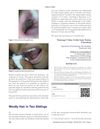 January 2012 in “International Journal of Trichology”
 Two siblings have a rare genetic condition causing curly, coarse hair.
 2 citations
,
March 2017 in “Archives of Plastic Surgery”
2 citations
,
March 2017 in “Archives of Plastic Surgery” Intense pulsed light is a safe and effective way to thin hair for East Asians after hairline surgery.
 76 citations
,
January 2007 in “American Journal of Clinical Dermatology”
76 citations
,
January 2007 in “American Journal of Clinical Dermatology” Women with PCOS often have skin problems like excessive hair, acne, hair loss, and dark patches, which can be treated with hormonal and non-hormonal therapies.
 47 citations
,
August 2000 in “Endocrine Reviews”
47 citations
,
August 2000 in “Endocrine Reviews” The document concludes that more research is needed to understand excessive hair growth in women with normal hormone levels and regular ovulation.
 28 citations
,
January 2007 in “Dermatology”
28 citations
,
January 2007 in “Dermatology” Chemotherapy can cause rapid, extensive hair loss, with patterns varying between individuals.
 23 citations
,
April 1999 in “Dermatologic Clinics”
23 citations
,
April 1999 in “Dermatologic Clinics” Pulsed-intense light can significantly reduce hair, with effectiveness depending on treatment number and timing, and has mild side effects.
 11 citations
,
February 2008 in “British journal of nursing”
11 citations
,
February 2008 in “British journal of nursing” Idiopathic hirsutism causes excessive hair growth in women, can be treated with medication and hair removal, but cannot be fully reversed.
 6 citations
,
July 2013 in “Acta Clinica Belgica”
6 citations
,
July 2013 in “Acta Clinica Belgica” The document concludes that combination therapy is most effective for treating excessive hair growth in women with idiopathic hirsutism, and more research is needed to understand the condition.
 4 citations
,
July 2021 in “Dermatology and therapy”
4 citations
,
July 2021 in “Dermatology and therapy” Hormone therapy increases facial and body hair in transgender men, while hair removal improves well-being in transgender women, but cost is a barrier as insurance often doesn't cover it. Dermatologists can use various treatments for these hair issues.
 3 citations
,
May 1980 in “American Journal of Nursing”
3 citations
,
May 1980 in “American Journal of Nursing” Scalp tourniquets did not significantly prevent hair loss from chemotherapy.
85 citations
,
January 2018 in “Cell stem cell” Different signals work together to change gene activity and guide hair follicle stem cells to become specific cell types.