1 citations
,
October 2024 in “European Journal of Histochemistry” Telocytes in silky fowl embryos develop distinct features and connections by the 20th day of incubation.
 May 2019 in “Anais brasileiros de dermatologia/Anais Brasileiros de Dermatologia”
 Frontal fibrosing alopecia mostly affects postmenopausal women, with diagnosis often delayed by 3 years.
 2 citations
,
February 2021 in “The Journal of clinical and aesthetic dermatology”
2 citations
,
February 2021 in “The Journal of clinical and aesthetic dermatology” Understanding the cause of bitemporal hair loss is key to deciding the right treatment.
 7 citations
,
August 2015 in “Journal der Deutschen Dermatologischen Gesellschaft”
7 citations
,
August 2015 in “Journal der Deutschen Dermatologischen Gesellschaft” Scalp-to-scalp skin grafts quickly heal and hide well under regrown hair, making them good for repairing large scalp defects.
March 2005 in “Journal of the American Academy of Dermatology” Cosmetic treatments can replenish key amino acids in damaged hair, improving its strength and appearance.
 5 citations
,
August 2013 in “Facial plastic surgery clinics of North America”
5 citations
,
August 2013 in “Facial plastic surgery clinics of North America” Use a frontal forelock pattern to manage advanced hair loss.
28 citations
,
November 2013 in “Cell and Tissue Research” 
Lichen planopilaris and frontal fibrosing alopecia are likely the same disease with different clinical appearances.
35 citations
,
January 2011 in “Facial Plastic Surgery” Forehead lifting can restore a youthful look and improve brow aesthetics using various surgical and nonsurgical methods.
 24 citations
,
September 2014 in “Journal of the European Academy of Dermatology and Venereology”
24 citations
,
September 2014 in “Journal of the European Academy of Dermatology and Venereology” Trichoscopy is reliable for diagnosing Temporal Triangular Alopecia and can prevent unnecessary biopsies and wrong treatments.
 April 2016 in “Plastic and reconstructive surgery. Global open”
 Tafluprost could be a potential treatment for hair loss by promoting hair growth phase changes.
17 citations
,
August 2018 in “Ophthalmic Plastic and Reconstructive Surgery” In ptosis, brow elevation doesn't lift the eyelid but is driven by efforts to raise the eyelid.
 16 citations
,
June 2009 in “Dermatologic Surgery”
16 citations
,
June 2009 in “Dermatologic Surgery” A 17-year-old boy with Temporal Triangular Alopecia successfully grew new hair after a hair restoration surgery using follicular unit transplantation.
17 citations
,
August 2014 in “The Anatomical Record” Scaffoldin helps form hard skin structures in chicken embryos.
 65 citations
,
June 2003 in “EMBO journal”
65 citations
,
June 2003 in “EMBO journal” Noggin overexpression delays eyelid opening by affecting cell death and skin cell development.
17 citations
,
August 2014 in “Plastic & Reconstructive Surgery” Forehead rejuvenation is key to facial rejuvenation, with various surgical techniques tailored to individual needs.
August 2018 in “Journal of the American Academy of Dermatology” October 2022 in “Hair Transplantation” Understanding scalp anatomy is crucial for effective hair restoration and reconstructive surgeries.
August 2019 in “Journal of the American Academy of Dermatology” Frontal fibrosing alopecia may be caused by an autoimmune reaction and hormonal imbalance.
3 citations
,
January 2020 in “International journal of trichology” Congenital triangular alopecia is a hair loss condition present from birth or early childhood with no effective treatment needed.
 November 2023 in “The journal of investigative dermatology/Journal of investigative dermatology”
 Early treatment and multidisciplinary care are key to managing Frontal Fibrosing Alopecia and preventing further hair loss.
 11 citations
,
August 2010 in “Developmental neurobiology”
11 citations
,
August 2010 in “Developmental neurobiology” Ptprq has multiple forms that change during inner ear development.
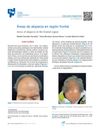 January 2025 in “Revista del Centro Dermatológico Pascua”
 Early diagnosis and treatment can help manage fibrosing alopecia in older women.
 August 1998 in “Dermatologic Surgery”
 Follicular unit hair transplantation is better than Miniflap Hair Restoration due to less scarring and more natural results.
 August 2019 in “Journal of The American Academy of Dermatology”
 The document concludes that using micropore tape on an 18-gauge needle can control depth in hair restoration surgery, reducing scalp trauma and complications.
 34 citations
,
March 2011 in “Plastic and Reconstructive Surgery”
34 citations
,
March 2011 in “Plastic and Reconstructive Surgery” Custom-designed implants effectively repaired skull damage in most soldiers injured in combat.
January 2024 in “Updates in clinical dermatology” Frontal fibrosing alopecia is a scarring hair loss condition mainly affecting postmenopausal women, with unclear causes.
 21 citations
,
August 1991 in “The Journal of Dermatologic Surgery and Oncology”
21 citations
,
August 1991 in “The Journal of Dermatologic Surgery and Oncology” Using tissue expanders and hyaluronidase in scalp reduction surgery allows for more scalp removal and easier surgery.
September 2023 in “Journal of the American Academy of Dermatology” A rare benign scalp tumor in an infant requires surgical removal.
 January 2022 in “Дерматологія та венерологія”
 Frontal fibrosing alopecia causes hair loss along the frontal hairline, mainly in postmenopausal women, and needs better treatments.