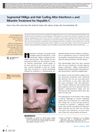
Early diagnosis and treatment of frontal fibrosing alopecia are crucial to prevent permanent hair loss.
 March 2026 in “Korean Journal of Clinical Pharmacy”
 In 2024, the FDA approved 50 new drugs, including treatments for hair loss, anemia, high blood pressure, and Alzheimer's.
8 citations
,
July 2023 in “Frontiers in Pharmacology” Cepharanthine shows promise as a COVID-19 treatment.
25 citations
,
April 2010 in “Clinical and Experimental Dermatology” Erlotinib can cause hair loss and scalp issues, which improve after stopping the drug.
24 citations
,
February 2023 in “BMC Complementary Medicine and Therapies” Forsythiaside A reduces kidney damage from sepsis by lowering inflammation and cell death.
86 citations
,
June 2018 in “Cochrane library” Mycophenolate mofetil may improve lupus nephritis remission more than cyclophosphamide but with uncertain safety.
 1 citations
,
July 2019 in “Clinical Rheumatology”
1 citations
,
July 2019 in “Clinical Rheumatology” Leflunomide is more likely to help treat alopecia areata than cause it.
 October 2025 in “Transplantation”
 Dissolving microneedles with finasteride improve drug delivery for hair loss treatment.
 May 2025 in “Journal of Nanobiotechnology”
 The gel improves hair regrowth and reduces irritation in alopecia areata treatment.
3 citations
,
April 2025 in “International Journal of Pharmaceutics” Nanocrystals improve alopecia areata treatment by better targeting hair follicles.
12 citations
,
May 2010 in “Journal of Clinical Oncology” MK-5108 is safe and shows potential against tumors, especially alone.
October 2023 in “The Open Dermatology Journal” Baricitinib is effective for severe alopecia areata with manageable side effects, mainly upper respiratory infections.
4 citations
,
January 2021 in “Acta Dermato Venereologica” Titanium nanoparticles may trigger frontal fibrosing alopecia, so avoid products with them.
 14 citations
,
January 2006 in “Skinmed”
14 citations
,
January 2006 in “Skinmed” A woman developed white patches on her skin and curly hair after hepatitis C treatment, likely due to the medication interferon alpha.
 1 citations
,
January 2005 in “Side effects of drugs annual”
1 citations
,
January 2005 in “Side effects of drugs annual” The document concluded that various dermatological treatments have different effectiveness and side effects, with some causing irritation, allergic reactions, or systemic effects.
82 citations
,
March 2013 in “PLoS ONE” Vemurafenib causes skin side effects similar to RASopathies, requiring regular skin checks and UVA protection.
8 citations
,
October 2024 in “Cochrane Database of Systematic Reviews” Tolvaptan can slow kidney disease progression, but doesn't affect mortality or kidney failure.
 14 citations
,
January 2017 in “Pharmacological Reports”
14 citations
,
January 2017 in “Pharmacological Reports” TP0427736 may help treat hair loss by blocking a specific protein and promoting hair growth.
 October 2025 in “Dermatology and Therapy”
 Ritlecitinib is being tested for effectiveness and safety in treating severe alopecia areata.
 March 2023 in “Scientific Reports”
 Using focused ultrasound on the brain can help epilepsy medicine work better in rats.
 45 citations
,
October 2009 in “Dermatology”
45 citations
,
October 2009 in “Dermatology” Half of the patients treated with a specific drug for skin cancer experienced hair loss not related to the drug's dosage.
10 citations
,
June 2019 in “Transplant infectious disease” The virus linked to a rare disease was found in a patient's blood and urine before skin symptoms appeared.
April 2026 in “Therapeutic Advances in Drug Safety” Finasteride is high-risk for cognitive disorders, while Carbidopa/Levodopa, Topiramate, and Clonazepam are moderate-risk.
 24 citations
,
March 2017 in “Journal of The European Academy of Dermatology and Venereology”
24 citations
,
March 2017 in “Journal of The European Academy of Dermatology and Venereology” Finasteride use linked to increased risk of sexual dysfunction, especially in younger people.
1 citations
,
August 2025 in “Australasian Journal of Dermatology” Anti-TNF therapy can cause a rare hair loss condition similar to alopecia areata.
 88 citations
,
February 2008 in “Journal of Medicinal Chemistry”
88 citations
,
February 2008 in “Journal of Medicinal Chemistry” Scientists made the first metal-based compounds from a nonsteroidal antiandrogen drug, which showed potential in fighting both hormone-dependent and independent prostate cancer cells.
2 citations
,
April 2023 in “Journal of Psoriasis and Psoriatic Arthritis” Early diagnosis and treatment are crucial to prevent permanent hair loss from TNFα inhibitors in scalp psoriasis.
8 citations
,
April 2018 in “Journal of the European Academy of Dermatology and Venereology” Certain genetic variations can make people more likely to experience hair loss and low white blood cell count from azathioprine.
January 2025 in “Journal of Prescribing Practice” January 2003 in “Hepatology”