 February 2026 in “Frontiers in Medicine”
 FUE hair transplants are generally safe but require careful planning to avoid rare complications.
 December 2025 in “International Journal of Research in Dermatology”
 A multidisciplinary approach is crucial for effectively managing hair loss linked to endocrine and gynecological disorders.
 November 2025 in “International Journal of Innovative Research in Technology”
 Hormones significantly affect hair growth and loss, requiring personalized treatment.
 September 2025 in “Frontiers in Medicine”
 Angiopoietin-1 helps hair cells survive and grow, making it a potential treatment for hair loss.
 September 2025 in “Journal of Drug Delivery and Therapeutics”
 Targeting hair follicles can effectively promote hair growth and treat hair disorders.
 May 2025 in “International Journal of Biological and Pharmaceutical Sciences Archive”
 Narasimham Hair Oil effectively promotes hair regrowth and scalp health without side effects.
 December 2024 in “Cureus”
 Baricitinib treatment for alopecia universalis can cause hair regrowth with unexpected whitening.
 June 2024 in “International Journal of Pharmaceutical Research and Applications”
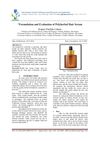
 Polyherbal hair serum can hydrate the scalp and promote hair growth safely.
 September 2023 in “Cutis”
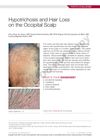
 A baby girl has a hair disorder called monilethrix, causing fragile hair that may improve over time.
 May 2021 in “GSC Advanced Research and Reviews”
 Hair color is influenced by genetics and can indicate certain health conditions.
 January 2021 in “Journal of cosmetology & trichology”
 Ageratum conyzoides L. extract may effectively and safely treat hair loss.
 December 2019 in “Journal of pediatrics & neonatology”
 A 13-year-old boy had a rare, stable type of hair loss with little chance of regrowth, but treatment is available for looks.
 January 2019 in “Elsevier eBooks”
 Different hair disorders have specific treatments and outcomes, with some resolving on their own and others requiring medication or emotional support.
 July 2018 in “Elsevier eBooks”
 The most common cause of hair loss in children is tinea capitis, followed by alopecia areata and telogen effluvium.
 January 2017 in “Journal of cosmetology & trichology”
 A man with severe hair loss regrew hair after hormone treatment.
 January 2017 in “Clinical approaches and procedures in cosmetic dermatology”
 Cosmetic procedures can harm hair, but damage can be minimized with knowledge and care; however, once hair is damaged, it cannot be reliably repaired.

Modern hair restoration techniques can effectively treat hair loss and provide natural-looking results.
 January 2015 in “Springer eBooks”
 Understanding hair structure and growth is key for diagnosing hair diseases accurately.
 April 2014 in “Journal of Aesthetic Nursing”
 Mesotherapy with natural extracts and vitamins can improve hair loss and promote regrowth in most women.
 January 2014 in “Journal of Pigmentary Disorders”
 Women's hair gets thinner and grayer as they age, with treatments available for hair loss and graying.
 May 2013 in “Trends in Urology & Men's Health”
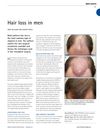
 Male-pattern hair loss is normal, often involves hormone effects on hair follicles, and can be treated with medication or surgery, but new treatments are being researched.
 April 2011 in “ISRN Dermatology (Print)”
 The wigs made from human hair and polypropylene were mostly well-tolerated and durable in rabbits, suggesting they could be a new option for people with extensive hair loss.
 April 2011 in “Global journal of health science”
 Aldactone effectively reduces hair thickness in women with excessive hair growth, both alone and with other treatments.
 September 2003 in “Clinics in Family Practice”
 Different hair diseases affect people during childbearing years, with treatments ranging from medication to psychological support.
 April 2003 in “Experimental Dermatology”
 The workshop highlighted the genetic links and psychological impacts of hair loss and skin disorders.
 January 2000 in “BioScience”
 The document concludes that understanding hair biology is key to treating hair disorders, with gene therapy showing potential as a future treatment.
 May 1993 in “Medical Clinics of North America”
 Surgical hair replacement is a viable option for male pattern baldness when done with proper planning and realistic expectations.
 November 2020 in “Acta Scientific Women's Health”
 Low vitamin D levels can significantly contribute to hair loss, especially in women aged 35-45. Correcting these levels early may help prevent and treat this condition.
 September 2015 in “SelfCare Journal”
 Two treatments for male pattern hair loss are minoxidil and finasteride, but they have side effects and may not satisfy everyone.

Finasteride and low-level laser therapy are similarly effective for frontal pattern hair loss.