19 citations
,
July 2005 in “Steroids” Testosterone increases 3α-androstanediol levels, which can be blocked by finasteride.
 77 citations
,
March 2001 in “Clinics in Dermatology”
77 citations
,
March 2001 in “Clinics in Dermatology” Androgenetic alopecia involves genetics, hormones, and can be treated with medications or surgery.
 7 citations
,
September 2014 in “Beni-Suef University Journal of Basic and Applied Sciences”
7 citations
,
September 2014 in “Beni-Suef University Journal of Basic and Applied Sciences” Cuscuta reflexa extracts and an isolate promoted hair growth and could be natural treatments for hair loss.
 3 citations
,
September 2016 in “Natural Product Communications”
3 citations
,
September 2016 in “Natural Product Communications” Germacrene analogs, especially 8-Hydroxy germacrene B, are more effective than germacrone at blocking a hormone-related enzyme and could help treat hair loss.
 77 citations
,
June 2015 in “Nature Reviews Urology”
77 citations
,
June 2015 in “Nature Reviews Urology” Some common medications can harm male fertility, but many effects can be reversed.
 47 citations
,
August 2016 in “Fitoterapia”
47 citations
,
August 2016 in “Fitoterapia” Some herbs and their components might help treat hair loss by affecting various biological pathways, but more research and regulation are needed.
 January 2017 in “Korean Journal of Pharmacognosy”
 Modified red ginseng extract promotes hair growth and has antioxidant and anti-inflammatory effects.
 3 citations
,
January 2016 in “Elsevier eBooks”
3 citations
,
January 2016 in “Elsevier eBooks” Steroid hormones are crucial for body functions and have various medical uses, but their misuse can lead to dependence.
 3 citations
,
April 2010 in “Endocrinology”
3 citations
,
April 2010 in “Endocrinology” The mouse model suggests male pattern baldness may be due to an enzyme increasing DHT and higher androgen receptor levels in hair follicles.
 2 citations
,
August 2016 in “Experimental Dermatology”
2 citations
,
August 2016 in “Experimental Dermatology” Finasteride treats baldness but may cause lasting sexual side effects.
 1 citations
,
October 2019 in “مجله كليه طب الكندي”
1 citations
,
October 2019 in “مجله كليه طب الكندي” Dapsone gel 5% is effective and safe for treating acne.

Olive leaves extract may help treat benign prostatic hyperplasia (BPH).
 May 2024 in “Brazilian Journal of Hair Health”
 Finasteride and dutasteride may help prevent hair loss but could cause side effects like sexual dysfunction and psychological issues.
January 2016 in “프로그램북(구 초록집)” Hormones and neuropeptides affect hair growth, with androgens having opposite effects on beard and scalp hair.
 1 citations
,
August 2002 in “Zeitschrift für Hautkrankheiten”
1 citations
,
August 2002 in “Zeitschrift für Hautkrankheiten” Male androgenetic alopecia involves hair follicle miniaturization due to DHT, with potential treatments using inhibitors and blockers.
 48 citations
,
January 2003
48 citations
,
January 2003 Endophytes from Southeast Asia and Japan can produce useful substances like enzymes and antibiotics.
 July 2005 in “SKINmed/Skinmed”
 BRL 7660, once studied for male contraception, showed promise as an acne treatment but was not developed further due to competing drugs.
 39 citations
,
August 2004 in “International journal of gynaecology and obstetrics”
39 citations
,
August 2004 in “International journal of gynaecology and obstetrics” Finasteride and CPA-EE2 equally reduce hirsutism, but affect hormone levels differently.
 3 citations
,
August 2004 in “International journal of gynaecology and obstetrics”
3 citations
,
August 2004 in “International journal of gynaecology and obstetrics” Finasteride doesn't change polycystic ovary size or cyst number, suggesting testosterone's role in their appearance.

Dutasteride is more effective and better tolerated than finasteride for hair loss treatment.
 December 2015 in “Вестник дерматологии и венерологии”
 Men with male pattern baldness may not have different hormone levels, but their hair follicles are likely more sensitive to hormones.
 December 2024 in “Research Journal of Pharmacy and Technology”
 Androgenic alopecia is mainly caused by DHT, and new treatments focus on hair regeneration and aging factors.
 1040 citations
,
October 1992 in “The New England Journal of Medicine”
1040 citations
,
October 1992 in “The New England Journal of Medicine” Finasteride effectively treats BPH but may increase sexual dysfunction risk.
34 citations
,
December 1991 in “Annals of the New York Academy of Sciences” Differences in enzyme activity and androgen receptors in hair follicles may explain why hair loss appears differently in men and women.
21 citations
,
August 2001 in “PubMed” Finasteride helps hair growth by reducing DHT levels.
18 citations
,
January 1994 in “Skin Pharmacology and Physiology” Androgens shorten hair growth phases, causing finer hair and more severe hair loss in men.

The document concludes that current treatments for androgenic alopecia are not fully effective, but new therapies like botulinum toxin and PRP show promise, and future gene therapy could be beneficial.
 82 citations
,
February 1989 in “The Journal of clinical endocrinology and metabolism/Journal of clinical endocrinology & metabolism”
82 citations
,
February 1989 in “The Journal of clinical endocrinology and metabolism/Journal of clinical endocrinology & metabolism” A three-month treatment with a GnRH agonist significantly lowered androgen levels and 5α-reductase activity in men with benign prostatic hyperplasia.
 218 citations
,
December 2011 in “Advances in Urology”
218 citations
,
December 2011 in “Advances in Urology” The document concludes that the 5 alpha-reductase enzymes are important in steroid metabolism and related to various human diseases, with inhibitors used to treat conditions like male pattern baldness and prostate issues.
 12 citations
,
April 1995 in “Journal of Medicinal Chemistry”
12 citations
,
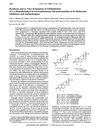
April 1995 in “Journal of Medicinal Chemistry” The new compounds moderately block a specific enzyme and strongly counteract a male hormone, suggesting potential for treating certain male-related health conditions.