April 2019 in “Journal of the Endocrine Society” A 31-year-old woman was diagnosed with Complete Androgen Insensitivity Syndrome much later than usual, leading to a call for earlier detection and treatment guidelines.
April 2019 in “Journal of the Endocrine Society” A 12-year-old boy with PAIS successfully developed male characteristics using high-dose testosterone and anastrozole.
 September 2016 in “Más dermatología”
 New factors in female hair loss include genetics, hormones, stress, and inflammation; future treatments should also focus on these areas and consider the patient's emotional well-being.
 July 2015 in “Cambridge University Press eBooks”
 Androgens like testosterone affect skin health and can lead to conditions such as acne and hair loss, with various treatments available.
 January 2015 in “International Journal of Research in Medical Sciences”
 A patient with HAIR-AN syndrome, PCOS, and Hashimoto's thyroiditis improved with early diagnosis and treatment to prevent serious health problems.
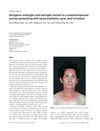 August 2009 in “International Journal of Dermatology”
 A postmenopausal woman's facial redness, acne, and excess hair were caused by too much hormone therapy for insomnia, but improved after stopping the treatment.
 July 2005 in “SKINmed/Skinmed”
 BRL 7660, once studied for male contraception, showed promise as an acne treatment but was not developed further due to competing drugs.
 November 2004 in “Medical Journal of Indonesia”
 Hormonal imbalances can cause skin and hair problems in women, and treatments that block male hormones can help.
 May 2003 in “Journal of Investigative Dermatology”
 The meeting covered advances in understanding hair growth, causes of hair loss, and potential treatments.
September 1976 in “PubMed” Hirsutism is excessive male-pattern hair growth mainly caused by ovarian hormones, and severe cases may require costly treatment with side effects.
 May 1963 in “American journal of obstetrics and gynecology”
 Injecting 2 ml of TEEV every 4 weeks is better because it has the same benefits but fewer side effects.
Testosterone undecanoate can reduce the negative effects of Finasteride on male reproductive health.
 July 2021 in “British Journal of Dermatology”
 Low testosterone levels may contribute to female pattern hair loss in men.
 100 citations
,
July 2004 in “The Journal of Sexual Medicine”
100 citations
,
July 2004 in “The Journal of Sexual Medicine” Hormones like estrogen, testosterone, progesterone, and prolactin play complex roles in female sexual function, with testosterone potentially improving sexual desire, arousal, and satisfaction. However, more research is needed to establish safe and effective hormone treatments for female sexual dysfunction.
 46 citations
,
January 2008 in “Climacteric”
46 citations
,
January 2008 in “Climacteric” Testosterone therapy can help improve sexual desire and function in postmenopausal women but may cause side effects and is not FDA-approved for this use.
 38 citations
,
February 2005 in “The journal of sexual medicine”
38 citations
,
February 2005 in “The journal of sexual medicine” The testosterone patch and gel are both effective, but they have different absorption patterns and effects on hormone levels.
 37 citations
,
February 2013 in “Maturitas”
37 citations
,
February 2013 in “Maturitas” Testosterone therapy is beneficial for women's health and does not cause masculinization or liver damage, and it protects the heart and breasts.
 25 citations
,
November 2015 in “Journal of Ethnopharmacology”
25 citations
,
November 2015 in “Journal of Ethnopharmacology” Certain Chinese herbs, especially Cacumen platycladi, can promote hair regrowth and reduce hair loss-related hormone levels in mice.
25 citations
,
December 2009 in “Developmental Neurobiology” Androgens are essential for maintaining adult neuromuscular structure.
 24 citations
,
June 2011 in “Andrologia”
24 citations
,
June 2011 in “Andrologia” Ganoderma lucidum may help treat enlarged prostate in rats.
23 citations
,
July 2015 in “The Journal of Membrane Biology” Testosterone increases certain proteins in the uterus, reducing fluid volume.
23 citations
,
March 2014 in “International Journal of Molecular Sciences” Testosterone reduces knee flexibility by affecting relaxin receptors.
 21 citations
,
December 2012 in “Maturitas”
21 citations
,
December 2012 in “Maturitas” Testosterone implants in women require pharmacological dosing to be effective and are generally safe and well-tolerated.
 12 citations
,
March 2017 in “Journal of obstetrics and gynaecology Canada”
12 citations
,
March 2017 in “Journal of obstetrics and gynaecology Canada” Testosterone therapy can modestly improve sexual function in menopausal women but should be used cautiously and is not recommended for routine measurement in sexual dysfunction or hirsutism.
 10 citations
,
April 2006 in “Seminars in Reproductive Medicine”
10 citations
,
April 2006 in “Seminars in Reproductive Medicine” Testosterone therapy may improve mood, well-being, and sexual function in premenopausal women, but more research is needed on its long-term safety and effectiveness.
3 citations
,
February 2023 in “Journal of Experimental Pharmacology” Kigelia africana fruit extract can prevent and reverse prostate enlargement in rats.
 3 citations
,
October 2022 in “International Journal of Impotence Research”
3 citations
,
October 2022 in “International Journal of Impotence Research” Testosterone Replacement Therapy can improve sexual health in postmenopausal women with low sexual desire, but more research is needed on its long-term effects.
 2 citations
,
April 2023 in “Pharmaceuticals”
2 citations
,
April 2023 in “Pharmaceuticals” Testosterone therapy for postmenopausal women appears safe and may protect against heart disease, but requires constant monitoring and more research for long-term effects.
 2 citations
,
September 2020
2 citations
,
September 2020 Long-term high testosterone levels can improve bone density and reduce body fat but may increase the risk of prostate cancer and high blood pressure.
2 citations
,
January 2018 in “International Journal of Trichology” The hCG diet and testosterone therapy can cause hair loss in some people.