 November 2017 in “Research Journal of Health Sciences”
 Skin infections and eczema were most common in all ages, acne in teens and young adults, and nutritional skin problems and infestations in children.
 October 2020 in “Journal of Aesthetic Nursing”
 Platelet-rich plasma (PRP) injections effectively treat hair loss and thinning in both men and women, with high satisfaction and no major side effects.
22 citations
,
January 2014 in “Journal of Interferon & Cytokine Research” Certain genetic variations in IL18 may increase the risk of alopecia areata in Koreans.
 June 2025 in “Stem Cell Research & Therapy”
 Combining stem cells with ATP significantly boosts hair regrowth in mice with hair loss.
 October 2024 in “International Journal of Molecular Sciences”
 Rosa rugosa extract promotes hair growth and could be a natural treatment for hair loss.
3 citations
,
January 2022 in “Anais Brasileiros De Dermatologia” Androgenetic alopecia in teens is linked to obesity and other metabolic risks, needing early diagnosis and management.
 4 citations
,
May 2020 in “Annals of palliative medicine”
4 citations
,
May 2020 in “Annals of palliative medicine” Plum blossom needle acupuncture with qi-invigorating therapy is more effective for Seborrheic Alopecia than Western medicine.
 August 2023 in “Journal of Cosmetic Dermatology”
 Exosomes from hair papilla cells and the Chinese medicine Liao Tuo Fang can potentially promote hair growth and could be used to develop hair growth drugs.
7 citations
,
March 2020 in “Journal of King Saud University. Science/Maǧallaẗ ǧāmiʹaẗ al-malik Saʹūd. al-ʹUlūm” AiQingHua oil improves blood flow and promotes hair growth in mice.
 12 citations
,
April 2020 in “British Journal of Dermatology”
12 citations
,
April 2020 in “British Journal of Dermatology” Caffeine may help reduce stress-induced hair loss.

Androgenetic alopecia, or hair loss, is caused by a mix of genetics, hormones, and environment, where testosterone affects hair growth and causes hair to become smaller and grow for a shorter time.

Vinegar-processed black soybean helps hair growth and prevents hair loss.
 January 2023 in “Journal of Ravishankar University”
 Hair loss can be caused by stress, aging, and harmful substances that create an imbalance in the body's natural processes.
1 citations
,
January 2025 in “Genes & Diseases” Understanding T cells and signaling pathways can lead to better treatments for hair loss.
 December 2024 in “Research Journal of Pharmacy and Technology”
 Androgenic alopecia is mainly caused by DHT, and new treatments focus on hair regeneration and aging factors.
 January 2020 in “Egyptian Journal of Dermatology and Venereology”
 People with alopecia have shorter hair follicles and more c-kit, a stem cell factor receptor, which could predict how the condition progresses.
 May 2024 in “Journal of cosmetic dermatology”
 Low HDL-C, uric acid, and 25-hydroxyvitamin D are risk factors for early-onset male hair loss.
 May 2026 in “Theranostics”
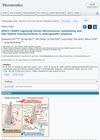
 Targeting DKK3–CKAP4 can help reverse hair loss in androgenetic alopecia.
4 citations
,
January 2020 in “Journal of family medicine and primary care” Increasing Teneligliptin on his own caused a man's hair loss, which stopped when he ceased the medication.
 August 2025 in “International Journal of Molecular Sciences”
 Broccoli sprout extract may help regrow hair by improving hormone metabolism.
 May 2025 in “Frontiers in Pharmacology”
 New treatments are needed for non-scarring alopecia due to current limitations.
 17 citations
,
January 2020 in “Skin appendage disorders”
17 citations
,
January 2020 in “Skin appendage disorders” Certain diets may help with hair growth in people with different types of hair loss.
15 citations
,
July 2022 in “Nano Research” A cholesterol-free liposomal platform using protopanaxadiol effectively promotes hair growth and treats alopecia.
 4 citations
,
January 2023 in “Frontiers in Immunology”
4 citations
,
January 2023 in “Frontiers in Immunology” Shorter telomeres in white blood cells may increase the risk of a common type of hair loss.
 September 2023 in “JEADV Clinical Practice”
 People with common hair loss conditions may have a higher risk of heart disease and related health issues.
 63 citations
,
March 1995 in “International Journal of Dermatology”
63 citations
,
March 1995 in “International Journal of Dermatology” Some drugs can cause hair loss, and stopping these drugs often leads to hair regrowth.
1 citations
,
July 2025 in “Stem Cell Research & Therapy” Stem cell technology may improve hair loss treatments by providing more effective and personalized options.
1 citations
,
October 2017 JAK inhibitors are effective for hair regrowth in severe alopecia areata.
 August 2024 in “EMJ Dermatology”
 Non-scarring alopecia in females affects emotional well-being and requires accurate diagnosis and personalized treatment.
 September 2023 in “Medicina-lithuania”
 The study suggests that analyzing DNA can help treat hair loss, but more research is needed.