 48 citations
,
February 2013 in “Molecular and Cellular Endocrinology”
48 citations
,
February 2013 in “Molecular and Cellular Endocrinology” The protein StAR is found in 17 different organs and can affect hair loss and brain functions, but its full role is not yet fully understood.
1 citations
,
January 2004 in “Wieś Jutra” Finasteride reduces hair loss by blocking testosterone's effects on scalp cells.
 June 2023 in “Clinical and Experimental Dermatology”
 Gender-affirming hormone therapy changes hair growth in transgender people, with feminizing therapy reducing hair and masculinizing therapy increasing it, but sometimes additional treatment is needed.
 October 2022 in “Springer eBooks”
 The document concludes that personalized hormonal treatments are important for transgender individuals and more research is needed for non-binary treatments.
March 2021 in “Der Hautarzt” Neuroendocrine paraneoplastic syndromes often show skin changes, helping early diagnosis and requiring a team approach for best care.
 August 2013 in “Fertility and Sterility”
 High levels of fatty acids are linked to increased androgen production and inflammation in women with PCOS, which may affect IVF outcomes.
December 2024 in “Tissue and Cell” A new method helps detect androgen receptor movement in cells, aiding research on hair loss treatments.
 November 2023 in “Brain Sciences”
 Some medications might contribute to male infertility, with finasteride showing a high number of reports.
 3 citations
,
January 1988 in “PubMed”
3 citations
,
January 1988 in “PubMed” High prolactin levels can cause skin and hair symptoms similar to those caused by hormone imbalances.
July 1993 in “学術講演梗概集. A, 材料施工,防火,海洋,情報システム技術” Evaluate prolactin levels with androgen and thyroid tests to rule out endocrine issues in patients with SAHA syndrome symptoms.
 2 citations
,
June 2022 in “Molecules”
2 citations
,
June 2022 in “Molecules” Connarus semidecandrus Jack extract promotes hair growth and thickness, reduces prostate cancer cell growth, and could potentially be used as a treatment for hair loss.
January 2025 in “Regenerative Biomaterials” A dissolving microneedle patch with collagen XVII effectively promotes hair regrowth in androgenic alopecia.
 March 2023 in “Journal of Applied Biomedicine”
 Oleanolic acid improved hair growth in mice by affecting hair growth pathways and reducing inflammation.
January 2026 in “Industrial Crops and Products” Ginsenoside Rf from Panax ginseng promotes hair growth and could be a natural alternative for treating hair loss.
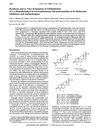 12 citations
,
April 1995 in “Journal of Medicinal Chemistry”
12 citations
,
April 1995 in “Journal of Medicinal Chemistry” The new compounds moderately block a specific enzyme and strongly counteract a male hormone, suggesting potential for treating certain male-related health conditions.

Crinum asiaticum extract and norgalanthamine may promote hair growth by blocking an enzyme linked to hair loss and a pathway that stops hair growth.
 3 citations
,
October 2003 in “Annals of Oncology”
3 citations
,
October 2003 in “Annals of Oncology” A woman with low thyroid function did not lose her hair during chemotherapy, possibly because her hair follicles were less affected by the treatment.
 24 citations
,
June 2011 in “Andrologia”
24 citations
,
June 2011 in “Andrologia” Ganoderma lucidum may help treat enlarged prostate in rats.
 October 2025 in “International Journal of Cell and Biomedical Science”
 hUC-MSC secretome can help regrow hair in cases of hair loss.
 August 1993 in “Journal of Dermatological Science”
 Testosterone metabolism in balding scalp cells may not be the main cause of hair loss.
 48 citations
,
February 2017 in “Journal of Cosmetic Dermatology”
48 citations
,
February 2017 in “Journal of Cosmetic Dermatology” The conclusion is to use scalp cooling, gentle hair care, and treatments like minoxidil for managing hair loss from chemotherapy, and stresses the need for more research and collaboration in this area.
 34 citations
,
January 2018 in “International Journal of Dermatology”
34 citations
,
January 2018 in “International Journal of Dermatology” Scalp cooling is the most effective FDA-approved method to prevent chemotherapy-induced hair loss, but more research is needed for other treatments.
 5 citations
,
March 2015 in “Clinical and Experimental Dermatology”
5 citations
,
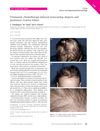
March 2015 in “Clinical and Experimental Dermatology” Chemotherapy caused a woman's permanent hair loss and early menopause.
 2 citations
,
December 2017 in “Bangladesh Journal of Pharmacology”
2 citations
,
December 2017 in “Bangladesh Journal of Pharmacology” Black seed oil significantly protects against hair loss from chemotherapy.
 November 2025 in “Frontiers in Pharmacology”
 64 drugs can cause hair loss, needing better monitoring and updated labels.
 4 citations
,
April 2002 in “Medical Hypotheses”
4 citations
,
April 2002 in “Medical Hypotheses” Hormones cause hair loss by affecting cell growth and weakening cell attraction.
 February 2026 in “Cureus”
 Ciclosporin can cause excessive hair growth even with testosterone blockers.
 23 citations
,
January 2021 in “Biomedicine & Pharmacotherapy”
23 citations
,
January 2021 in “Biomedicine & Pharmacotherapy” DHT stops hair regrowth in mice, similar to human hair loss.
 19 citations
,
June 2001 in “Annals of Internal Medicine”
19 citations
,
June 2001 in “Annals of Internal Medicine” Tamoxifen can cause total hair loss but its benefits outweigh this side effect.
 January 2019 in “Springer eBooks”
 Some chemicals and drugs can cause hair loss, which usually grows back after stopping the treatment.