 46 citations
,
January 2008 in “Climacteric”
46 citations
,
January 2008 in “Climacteric” Testosterone therapy can help improve sexual desire and function in postmenopausal women but may cause side effects and is not FDA-approved for this use.
 38 citations
,
February 2005 in “The journal of sexual medicine”
38 citations
,
February 2005 in “The journal of sexual medicine” The testosterone patch and gel are both effective, but they have different absorption patterns and effects on hormone levels.
 37 citations
,
February 2013 in “Maturitas”
37 citations
,
February 2013 in “Maturitas” Testosterone therapy is beneficial for women's health and does not cause masculinization or liver damage, and it protects the heart and breasts.
 36 citations
,
February 2011 in “Fertility and Sterility”
36 citations
,
February 2011 in “Fertility and Sterility” Finasteride use may cause sperm damage and infertility, stopping it can improve sperm health.
 36 citations
,
October 2009 in “Journal of Investigative Dermatology”
36 citations
,
October 2009 in “Journal of Investigative Dermatology” Dihydrotestosterone can be made from dehydroepiandrosterone in skin cells without needing testosterone.
 34 citations
,
January 2018 in “International Journal of Dermatology”
34 citations
,
January 2018 in “International Journal of Dermatology” Scalp cooling is the most effective FDA-approved method to prevent chemotherapy-induced hair loss, but more research is needed for other treatments.
 34 citations
,
February 1993 in “Journal of steroid biochemistry and molecular biology/The Journal of steroid biochemistry and molecular biology”
34 citations
,
February 1993 in “Journal of steroid biochemistry and molecular biology/The Journal of steroid biochemistry and molecular biology” Certain 4-azasteroids are effective at blocking the enzyme that processes testosterone in human skin and could help treat acne, excessive hair growth, and male pattern baldness.
 31 citations
,
January 1995 in “The American journal of medicine”
31 citations
,
January 1995 in “The American journal of medicine” Testosterone and dihydrotestosterone play a role in women's health issues like excess hair and baldness, and treatments blocking these hormones may help.
 29 citations
,
January 2009 in “International Journal of Trichology”
29 citations
,
January 2009 in “International Journal of Trichology” Finasteride for hair loss may cause gynecomastia; doctors should inform patients.
 28 citations
,
October 1998 in “Baillière's clinical endocrinology and metabolism”
28 citations
,
October 1998 in “Baillière's clinical endocrinology and metabolism” Testosterone replacement may help post-menopausal women with androgen insufficiency, but more research is needed on its benefits and risks.
 25 citations
,
April 1949 in “The journal of experimental zoology”
25 citations
,
April 1949 in “The journal of experimental zoology” Testosterone applied to rabbit skin increases skin cell growth and changes skin structure.
 24 citations
,
January 2021 in “Physiological Research”
24 citations
,
January 2021 in “Physiological Research” Testosterone affects brain functions and contributes to sex differences, influencing conditions like autism.
 22 citations
,
January 2014 in “Biological & Pharmaceutical Bulletin”
22 citations
,
January 2014 in “Biological & Pharmaceutical Bulletin” Ginsenoside F2 may help prevent hair loss and promote hair growth better than finasteride.
 21 citations
,
January 2021 in “Therapeutic Advances in Endocrinology and Metabolism”
21 citations
,
January 2021 in “Therapeutic Advances in Endocrinology and Metabolism” Testosterone may have a dual role in COVID-19, potentially worsening outcomes in men, and testosterone therapy could help some patients, but more research is needed.
 21 citations
,
January 2015 in “The Journal of Steroid Biochemistry and Molecular Biology”
21 citations
,
January 2015 in “The Journal of Steroid Biochemistry and Molecular Biology” Progesterone byproduct 5αP stimulates mammary tumor growth, but finasteride can suppress it.
 20 citations
,
June 2015 in “Hormone Molecular Biology and Clinical Investigation”
20 citations
,
June 2015 in “Hormone Molecular Biology and Clinical Investigation” Finasteride worsens erectile dysfunction and lowers testosterone in men with enlarged prostates, unlike tamsulosin.
 19 citations
,
June 2001 in “Annals of Internal Medicine”
19 citations
,
June 2001 in “Annals of Internal Medicine” Tamoxifen can cause total hair loss but its benefits outweigh this side effect.
 12 citations
,
March 2017 in “Journal of obstetrics and gynaecology Canada”
12 citations
,
March 2017 in “Journal of obstetrics and gynaecology Canada” Testosterone therapy can modestly improve sexual function in menopausal women but should be used cautiously and is not recommended for routine measurement in sexual dysfunction or hirsutism.
 11 citations
,
March 2016 in “Translational Andrology and Urology”
11 citations
,
March 2016 in “Translational Andrology and Urology” Nandrolone might increase muscle mass with fewer side effects than testosterone but could cause erectile dysfunction and needs more research.
 8 citations
,
March 2020 in “Frontiers in Cell and Developmental Biology”
8 citations
,
March 2020 in “Frontiers in Cell and Developmental Biology” Researchers created immortal human skin cells with constant testosterone receptor activity to study hair loss and test treatments.
 8 citations
,
April 2019 in “Journal of the Endocrine Society”
8 citations
,
April 2019 in “Journal of the Endocrine Society” Postmenopausal women with hyperandrogenism didn't have better metabolic health even after their testosterone levels became normal.
 8 citations
,
January 2009 in “Indian Journal of Dermatology, Venereology and Leprology”
8 citations
,
January 2009 in “Indian Journal of Dermatology, Venereology and Leprology” Finasteride can cause rare breast growth side effect, with varying recovery after stopping.
 7 citations
,
June 2015 in “Cutaneous and Ocular Toxicology”
7 citations
,
June 2015 in “Cutaneous and Ocular Toxicology” Some drugs can cause skin reactions, which may improve when the drug is stopped, and rapid diagnosis and stopping the drug is crucial.
 7 citations
,
May 2014 in “Clinical practice”
7 citations
,
May 2014 in “Clinical practice” Cooling the scalp may prevent hair loss from chemotherapy, hair often grows back after treatment, and nail issues usually improve after stopping the drug.
 7 citations
,
May 2012 in “International Journal of Andrology”
7 citations
,
May 2012 in “International Journal of Andrology” The new oral testosterone pill normalized testosterone levels and lowered SHBG in men with low testosterone.
 7 citations
,
February 2006 in “Clinical and Experimental Dermatology”
7 citations
,
February 2006 in “Clinical and Experimental Dermatology” Using anabolic steroids 'Sus' and 'Deca' for bodybuilding caused severe acne in a man.
 6 citations
,
September 2012 in “Clinical Interventions in Aging”
6 citations
,
September 2012 in “Clinical Interventions in Aging” Honokiol might help reduce male skin aging by maintaining testosterone levels.
 6 citations
,
November 2010 in “International Journal of Andrology”
6 citations
,
November 2010 in “International Journal of Andrology” New oral testosterone formulations show potential for safer, effective hormone replacement in men with low testosterone.
 5 citations
,
August 2018 in “Sexual Medicine Reviews”
5 citations
,
August 2018 in “Sexual Medicine Reviews” 5α-Reductase inhibitors do not consistently increase testosterone levels in the blood.
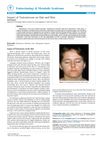 4 citations
,
January 2015 in “Endocrinology & metabolic syndrome”
4 citations
,
January 2015 in “Endocrinology & metabolic syndrome” Testosterone can cause acne and male-pattern baldness, affects hair growth in men and women, and makes male skin more sensitive.