June 2020 in “Zenodo (CERN European Organization for Nuclear Research)” The DNMT3B -579G>T polymorphism may increase the risk of colorectal cancer.
 7 citations
,
January 2015 in “Case reports in genetics”
7 citations
,
January 2015 in “Case reports in genetics” Using SNP array testing helped quickly find the gene causing Woodhouse-Sakati syndrome in two related individuals.
 September 2024 in “Frontiers in Genetics”
 A specific genetic marker is linked to male pattern baldness in Han Chinese men.
52 citations
,
June 1991 in “Journal of Virology” The hamster polyomavirus middle T antigen is linked to tumors in hamsters and associates with a specific tyrosine kinase.
January 2010 in “Chinese Journal of Dermatovenereology of Integrated Traditional and Western Medicine” A unique gene mutation was found in a family with monilethrix.
9 citations
,
May 2019 in “Medicine” The C-allele and CC-genotype in the PTPN22 gene lower the risk of alopecia areata.
December 2015 in “PLOS Genetics”  February 2017 in “Cancer Causes & Control”
 Swedish men with the E213 A-allele of the androgen receptor have a lower risk of prostate cancer.
 1 citations
,
March 2004 in “Journal of the American Academy of Dermatology”
1 citations
,
March 2004 in “Journal of the American Academy of Dermatology” Certain genes are linked to the risk of developing Alopecia Areata.
 14 citations
,
February 2017 in “Scientific Reports”
14 citations
,
February 2017 in “Scientific Reports” Certain variations of the HDAC9 gene can increase or decrease stroke risk in the Chinese population.
 7 citations
,
December 2015 in “International Journal of Dermatology”
7 citations
,
December 2015 in “International Journal of Dermatology” New and known mutations in the hairless gene cause a hair loss condition called Atrichia with papular lesions.
7 citations
,
February 2011 in “Journal of dermatology” The 736T>A mutation in the LIPH gene is common in Japanese people with autosomal recessive woolly hair.
 7 citations
,
July 2020 in “Immunological Investigations”
7 citations
,
July 2020 in “Immunological Investigations” The rs231775 genetic variant is linked to a higher risk and severity of Alopecia Areata in males.
September 2018 in “Fertility and Sterility” The HSD3B1 variant increases hair loss risk in overweight women with PCOS.
15 citations
,
August 2013 in “Gene” The MTHFR C677T mutation may increase the risk of alopecia areata in the Turkish population.
3 citations
,
January 2013 in “Dermatology” New genetic mutations causing hair loss were found in a Chinese family.
October 2023 in “Lithuanian University of Health Sciences” The TG5 gene affects beef cattle weight, and the CC genotype leads to higher weights.
52 citations
,
October 1995 in “Experimental Cell Research” Human hair keratin genes hHa2 and hHb1 are located on chromosomes 17 and 12.
12 citations
,
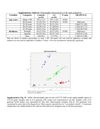
December 2013 in “Immunological Investigations” The SNP rs6457452 is linked to a higher risk of alopecia areata in Koreans.
 42 citations
,
April 2009 in “Human Genetics”
42 citations
,
April 2009 in “Human Genetics” A specific genetic mutation may increase male pattern baldness risk, especially in Europeans.
33 citations
,
October 2005 in “Journal of Investigative Dermatology” A specific gene mutation causes sparse, brittle hair in a family.
 7 citations
,
January 2019 in “Australasian Journal of Dermatology”
7 citations
,
January 2019 in “Australasian Journal of Dermatology” A genetic marker linked to a type of hair loss was found in most patients studied.
 98 citations
,
June 2001 in “Journal of biological chemistry/The Journal of biological chemistry”
98 citations
,
June 2001 in “Journal of biological chemistry/The Journal of biological chemistry” A cluster of sulfur-rich hair protein genes was found on chromosome 17.
53 citations
,
June 2005 in “The journal of investigative dermatology/Journal of investigative dermatology” KAP genes show significant genetic variability, but its impact on hair traits is unclear.
 41 citations
,
October 2011 in “Clinical and Experimental Dermatology”
41 citations
,
October 2011 in “Clinical and Experimental Dermatology” G allele of AR Stul polymorphism linked to higher hair loss risk, especially in white people.
 51 citations
,
November 2011 in “British Journal of Dermatology”
51 citations
,
November 2011 in “British Journal of Dermatology” A gene called HDAC9 might be a new factor in male-pattern baldness.
69 citations
,
December 2015 in “BMC plant biology” Three genes in Arabidopsis are important for plant growth and development by affecting sugar attachment to proteins.
January 2006 in “Chinese Journal of Dermatology” Shorter GGC triplet repeats in the androgen receptor gene are linked to less hair loss in Han men.
A KRT32 gene variant causes loose anagen hair syndrome.
4 citations
,
January 2009 in “PubMed” A mutation in the KRT86 gene causes hair fragility in a Turkish family.